 EN
EN
ຄວາມຖືກຕ້ອງທີ່ຕ່ຳກວ່າ 0.1 ມມ ແລະ ຄຸນນະພາບພື້ນຜິວທີ່ດີເລີດ
ເຄື່ອງຕັດແລະເຄື່ອງຈີ່ນ CO2 ສາມາດບັນລຸລະດັບຄວາມຖືກຕ້ອງທີ່ສູງຫຼາຍເຖິງປະມານ 0.1 ມມ, ແລະໃນບາງຄັ້ງກໍອາດຈະດີກວ່າຄ່າ ±0.02 ມມ ເຖິງ. ລັບສຳຄັນຢູ່ທີ່ຄວາມຍາວຂອງຄື້ນ 10.6 ມິກໂຣເມີເຕີ ຂອງມັນ ເຊິ່ງເຮັດວຽກໄດ້ດີຫຼາຍກັບວັດຖຸທຳມະຊາດ ແລະ ວັດຖຸທີ່ຜະລິດຈາກມະນຸດ ແຕ່ບໍ່ແມ່ນລາຍການທີ່ເປັນເຫຼັກ. ສິ່ງທີ່ເຮັດໃຫ້ເຄື່ອງເລເຊີເຫຼົ່ານີ້ເປັນພິເສດກໍຄືວ່າ ມັນສາມາດຕັດຜ່ານວັດຖຸໄດ້ໂດຍບໍ່ຕ້ອງສຳຜັດກັບວັດຖຸເລີຍ, ສິ່ງນີ້ຈຶ່ງບໍ່ເກີດຄວາມເຄັ່ງຕຶງທາງຮ່າງກາຍຕໍ່ຊິ້ນງານ. ນີ້ຊ່ວຍຮັກສາໂຄງສ້າງເດີມຂອງຊິ້ນງານໄວ້ ແລະ ຕັດການເກີດຄວາມເບິ່ງເຄີຍ ຫຼື ການເບິ່ງເຄີຍທີ່ເກີດຂື້ນໃນຂະນະທີ່ປຸງແຕ່ງ. ເຄື່ອງສ່ວນຫຼາຍໃນປັດຈຸບັນມາພ້ອມດ້ວຍຄວາມສາມາດໃນການປັບຈຸດເນັ້ນຢ່າງເຄື່ອນໄຫວ (Dynamic Focusing) ເຊິ່ງຈະປັບຈຸດເນັ້ນຢ່າງຕໍ່ເນື່ອງຕາມຄວາມຕ້ອງການ. ສິ່ງນີ້ຊ່ວຍຮັກສາພະລັງງານເລເຊີໃຫ້ຄົງທີ່ ແລະ ຮັບປະກັນຄວາມເລິກຂອງການຈີ່ນທີ່ເທົ່າທຽມກັນທົ່ວທັງໝົດ ເຖິງແມ່ນວ່າຈະເປັນພື້ນທີ່ທີ່ທ້າທາຍເຊັ່ນ: ສ່ວນທີ່ເປັນຮູບເຄີງ ຫຼື ຊິ້ນງານທີ່ມີຄວາມໜາກວ່າ 300 ມມ ເຊິ່ງວິທີການດັ້ງເດີມຈະມີຄວາມຍາກໃນການປຸງແຕ່ງ.
ວິທີທີ່ຄວາມຍາວຂອງຄື້ນເລເຊີ CO2 (10.6 μm) ແລະ ການປັບຈຸດເນັ້ນຢ່າງເຄື່ອນໄຫວ (Dynamic Focusing) ໃຫ້ຄວາມເປັນໄປໄດ້ໃນການຈີ່ນທີ່ມີຄວາມຖືກຕ້ອງໃນລະດັບຈຸລະພາກ
ທີ່ປະມານ 10.6 ແມກຊີເມີຕ, ຄວາມຍາວຄລື່ນຂອງແສງເລເຊີນີ້ເຮັດວຽກໄດ້ດີຫຼາຍກັບວັດຖຸຕ່າງໆເຊັ່ນ: ເນື້ອໄມ້, ອະຄຣິລິກ, ໜັງ, ຜິວແກ້ວ, ແລະ ເນື້ອຜ້າຫຼາຍຊະນິດ ເນື່ອງຈາກມັນເຂົ້າກັນໄດ້ດີກັບໂຄງສ້າງໂມເລກຸນຂອງວັດຖຸເຫຼົ່ານີ້. ນີ້ໝາຍຄວາມວ່າແນວໃດ? ການຕັດ ແລະ ການຈີ່ລາຍເກີດຂຶ້ນຢ່າງແນ່ນອນໂດຍບໍ່ມີຄວາມຮ້ອນລົ້ນເຂົ້າໄປໃນບໍລິເວນອື່ນຫຼາຍເກີນໄປ. ສ່ວນແສງເລເຊີທີ່ເຄື່ອນທີ່ດ້ວຍການເຮັດວຽກຂອງແສງເລເຊີ (galvanometer mirrors) ກໍເຄື່ອນທີ່ໄວຫຼາຍເຖິງ 5 ແມັດຕໍ່ວິນາທີ, ແຕ່ກໍຍັງຄົງຮັກສາຄວາມຖືກຕ້ອງຢ່າງເຂັ້ມງວດໃນລະດັບ 0.001 ອົງສາ. ການຄວບຄຸມແບບນີ້ເຮັດໃຫ້ພວກເຮົາສາມາດສ້າງລາຍລະອຽດທີ່ມີຂະໜາດນ້ອຍກວ່າ 100 ແມກຊີເມີຕ, ເຊິ່ງເໝາະສົມຫຼາຍສຳລັບການຈີ່ລາຍຕົວໜັງສືທີ່ນ້ອຍຫຼາຍ, ລາຍລະອຽດທີ່ສັບສົນ, ແລະ ລາຍເສັ້ນປອດໄພທີ່ຖືກອອກແບບມາເພື່ອໃຫ້ຍາກຕໍ່ການລອກເລຽນ. ນອກຈາກນີ້, ຍັງມີລະບົບຈັດການຄວາມຮ້ອນທີ່ຕິດຕັ້ງຢູ່ໃນຕົວເຄື່ອງ ແລະ ມີການປັບຈຸດເຟີກັດຢ່າງທັນເວລາ. ເຕັກໂນໂລຊີທັງສອງຢ່າງນີ້ຮ່ວມກັນເຮັດໃຫ້ທຸກສິ່ງທຸກຢ່າງມີຄວາມສະຖຽນທາງດ້ານມິຕິ ແລະ ຮັກສາເສັ້ນຂອບທີ່ຊັດເຈນ ແລະ ປະນິດ, ເຖິງແມ່ນວ່າຈະເຮັດວຽກກັບວັດຖຸທີ່ມີຄວາມໜາບໍ່ເທົ່າກັນທົ່ວທັງທຸກບ່ອນ.
ຜິວໜ້າທີ່ເລືອນລ້ຽນ ແລະ ບໍ່ມີການໄຫມ້ເກີດຂຶ້ນໃນວັດສະດຸທີ່ບໍ່ແມ່ນລາຍເຫຼັກ—ຊ່ວຍຫຼຸດຜ່ອນ ຫຼື ຍົກເລີກການຂັດ, ການຂັດເງົາ ຫຼື ການປູກຊັ້ນຫຸ້ມທັງໝົດ
ເມື່ອພວກເຮົາຕັ້ງຄ່າຄວາມຖີ່ຂອງສັນຍານໄດ້ຖືກຕ້ອງ ແລະ ມີການປັບຄວາມເຂັ້ມຂອງພະລັງງານຢ່າງເໝາະສົມ, ການເກີດຄາບເຖົ້າ (carbonization) ຈະຖືກຢຸດທັນທີ. ຜິວໜ້າຈະອອກມາເລືອນລ້ຽນດ້ວຍຄ່າ Ra ລະຫວ່າງ 1.6 ແລະ 3.2 ມີครອນ ເຊິ່ງເປັນຄ່າທີ່ດີພໍທີ່ຈະຮັບປະກັນວ່າຈະບໍ່ເຫັນຮ່ອຍໄຫມ້ໃດໆເຫຼືອຢູ່ເທິງວັດສະດຸເຊັ່ນ: ໄມ້, ອະຄຣິລິກ, ໜັງ, ແລະ ເຖິງແຕ່ແກ້ວທີ່ມີຊັ້ນຫຸ້ມທີ່ເປັນບັນຫາຍາກເປັນພິເສດ. ສຳລັບວັດສະດຸທີ່ອ່ອນໄຫວຫຼາຍຂຶ້ນ, ລະບົບມີການຕັ້ງຄ່າພາຍໃນທີ່ປັບຕົວອັດຕະໂນມັດເມື່ອເຮັດວຽກກັບວັດສະດຸເຊັ່ນ: ເນື້ອຜ້າ ຫຼື ຊັ້ນໄມ້ທີ່ບາງເປັນພິເສດ. ການປັບຕົວອັດຈະລະຍະນີ້ຊ່ວຍຮັກສາເອົາເນື້ອສັນທຳຊາດໃຫ້ຄົງເດີມ ແລະ ຫຼີກລ່ຽງເສັ້ນທີ່ເກີດຈາກການລະລາຍ (melt lines) ແລະ ເຂດທີ່ອາດຈະເກີດຄວາມເສຍຫາຍຈາກຄວາມຮ້ອນ. ສຳຄັນທີ່ສຸດ, ປະມານ 90% ຂອງງານທັງໝົດບໍ່ຕ້ອງການການປູກຊັ້ນສຸດທ້າຍເພີ່ມເຕີມຫຼັງຈາກການປຸງແປງ. ນີ້ໝາຍຄວາມວ່າ ຜະລິດຕະພັນຈະສາມາດນຳອອກສູ່ຕະຫຼາດໄດ້ໄວຂຶ້ນ ແລະ ຍັງຊ່ວຍປະຢັດເງິນໄດ້ທັງໃນສ່ວນຂອງຄ່າແຮງງານ ແລະ ຄ່າຊິ້ນສ່ວນທີ່ຕ້ອງປ່ຽນໃໝ່ໃນໄລຍະຍາວ.
ຄວາມເຂົ້າກັນໄດ້ທີ່ກວ້າງຂວາງຂອງວັດຖຸຕໍ່ບໍ່ແຕ່ງເຫຼັກທົ່ວໄປ
ເປັນຫຍັງເຄື່ອງຈັກຈີ່ລາເຊີ CO2 ຈຶ່ງເຮັດວຽກໄດ້ດີເລີດກັບໄມ້, ອະຄຣິລິກ, ໜັງ, ແກ້ວ ແລະ ຜ້າ
ວັດຖຸຕ່າງໆເຊັ່ນ: ເນື້ອໄມ້, ອະຄຣິລິກ, ໜັງ, ແກ້ວ ແລະ ເນື້ອຜ້າ ສາມາດຕອບສະຫນອງຕໍ່ຄວາມຍາວຂອງຄລື່ນທີ່ 10.6 ມິກໂຣນໄດ້ດີເນື່ອງຈາກວ່າວັດຖຸເຫຼົ່ານີ້ດູດຊຶມແສງດັ່ງກ່າວໄດ້ຢ່າງມີປະສິດທິພາບ. ຜົນທີ່ໄດ້ຮັບ? ການຈີ່ລາຍທີ່ບໍ່ຕ້ອງໃຊ້ການສຳຜັດດ້ວຍຮ່າງກາຍ ຫຼື ກໍ່ໃຫ້ເກີດການສຶກສາຂອງເຄື່ອງມືເທື່ອລະນ້ອຍໆຕາມເວລາ. ເມື່ອເຮັດວຽກກັບເນື້ອໄມ້, ລາຍລະອຽດຈະອອກມາຢ່າງຊັດເຈນ ໂດຍມີການເຜົາເປັນຖ່ານໆນ້ອຍທີ່ສຸດ. ອະຄຣິລິກຈະຖືກລະເຫີຍນໄປຢ່າງສະອາດເລີຍ, ເຫຼືອທິ້ງເສັ້ນຂອບທີ່ເງົາງາມທີ່ຄົນທົ່ວໄປຕ້ອງການ. ໜັງສາມາດຮັບຮູບແບບທີ່ສັບສົນໄດ້ໂດຍບໍ່ຖືກເຜົາເປັນຖ່ານ ຫຼື ສູນເສຍຄວາມຍືດຫຍຸ່ນ. ແກ້ວເຮັດວຽກຕ່າງໄປຈາກວັດຖຸອື່ນໆ ເນື່ອງຈາກມັນຕ້ອງການການແຕກຫັກຈຸລະພາກທີ່ຄວບຄຸມໄດ້ເພື່ອສ້າງຜົນໄດ້ຮັບທີ່ເປັນເອກະພາບໃນຮູບແບບຂຸ່ມຂຸ່ນທີ່ຄົນທົ່ວໄປຊື່ນຊອບ. ເນື້ອຜ້າຈະຫາຍໄປຢ່າງສົມບູນພາຍໃຕ້ດຳເນີນຂອງເລເຊີ ໂດຍບໍ່ລະລາຍ ຫຼື ປະກົດເສັ້ນໃຍທີ່ເປື່ອຍອອກມາເລີຍ. ຄວາມສາມາດທັງໝົດເຫຼົ່ານີ້ໝາຍຄວາມວ່າ ຮ້ານຕ່າງໆສາມາດຈັດການໂຄງການທີ່ແຕກຕ່າງກັນໄດ້ດ້ວຍເຄື່ອງດຽວເທົ່ານັ້ນ ແທນທີ່ຈະຕ້ອງໃຊ້ເຄື່ອງມືທີ່ແຕກຕ່າງກັນສຳລັບວັດຖຸແຕ່ລະປະເພດ, ເຊິ່ງຈະຊ່ວຍປະຢັດທັງພື້ນທີ່ ແລະ ເງິນທຶນໃນໄລຍະຍາວ.
ການປັບປຸງກຳລັງ, ຄວາມໄວ ແລະ ການຕັ້ງຄ່າຂອງຄື້ນສັ້ນ (Pulse) ສຳລັບວັດຖຸແຕ່ລະປະເພດເພື່ອເພີ່ມຄຸນນະພາບ ແລະ ຄວາມໄວໃນການຜະລິດໃຫ້ສູງສຸດ
ຊຸດຂໍ້ມູນທີ່ຖືກປັບແຕ່ງຢ່າງເໝາະສົມຊ່ວຍປ້ອງກັນຄວາມຜິດພາດ ແລະ ສ້າງຜົນຜະລິດໃຫ້ສູງສຸດ:
- ໄມ້/ໜັງ : ພະລັງງານ 15–30% ໃນຄວາມໄວສູງຈະຫຼຸດຜ່ອນການເຜົາເປັນຖ່ານ
- ຜ້າອາຄຣິລິກ : ພະລັງງານ 40–60% ຮັບປະກັນການລະເຫີຍນທີ່ເລືອນລ້ານ ແລະ ມີເສັ້ນຂອບເງົາ
- ແກ້ວ : ຄວາມຖີ່ຂອງຄື່ນປັບແຕ່ງ (20–50kHz) ຄວບຄຸມຄວາມໜາແໜ້ນຂອງຮ້ອຍແຕກນ້ອຍໆເພື່ອໃຫ້ມີຄວາມທຶບແທ້ງຢ່າງເໝືອນກັນ
- ຜ້າ : ຄວາມໄວສູງສຸດໃນການສະແກນຈະຈຳກັດການແຜ່ຂະຫາຍຄວາມຮ້ອນ ແລະ ຄວາມເສຍຫາຍຕໍ່ເສັ້ນໃຍ
ເມື່ອການຕັ້ງຄ່າທີ່ຖືກປັບແຕ່ງຢ່າງເໝາະສົມຖືກນຳໃຊ້ແທນທີ່ຈະໃຊ້ຄ່າເລີ່ມຕົ້ນທົ່ວໄປ ຜູ້ຜະລິດລາຍງານວ່າຜົນຜະລິດເພີ່ມຂຶ້ນຫຼາຍກວ່າ 40% ເຊິ່ງເປັນການຢືນຢັນບົດບາດຂອງເຄື່ອງເລເຊີ CO2 ເປັນວິທີແກ້ໄຂທີ່ຫຼາກຫຼາຍ ແລະ ມີປະສິດທິພາບສູງສຳລັບສະພາບແວດລ້ອມການຜະລິດທີ່ໃຊ້ວັດຖຸຫຼາກຫຼາຍຊະນິດ
ການດຳເນີນງານດ້ວຍຄວາມໄວສູງ ແລະ ການບູລະນາການເຂົ້າໃນລະບົບວຽກງານໃນສະພາບແວດລ້ອມການຜະລິດ
ການສະແກນດ້ວຍເຄື່ອງສະແກນ Galvanometric ເທືອບກັບການເຄື່ອນທີ່ແບບ Gantry: ການເລືອກເອົາສະຖາປັດຕະຍາຂອງເຄື່ອງເລເຊີ CO2 ສຳລັບການຈຳລອງທີ່ເໝາະສົມກັບຄວາມຕ້ອງການຂອງທ່ານ
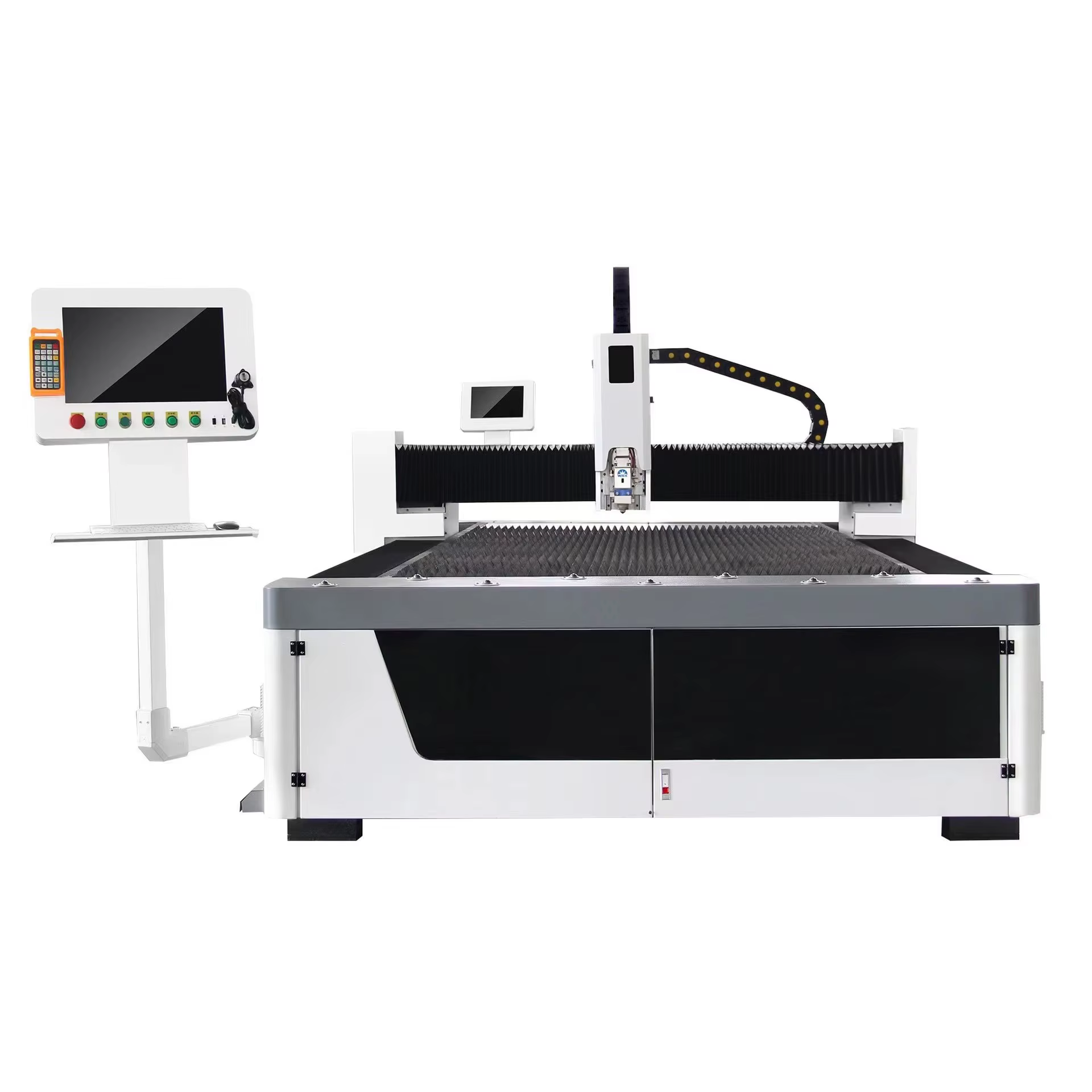
ເມື່ອເວົ້າເຖິງການດຳເນີນງານໃນຂະໜາດໃຫຍ່, ການຈັບຄູ່ອຸປະກອນໃຫ້ເໝາະສົມກັບພາລະບົດທີ່ຕ້ອງເຮັດນັ້ນມີຄວາມສຳຄັນຫຼາຍ. ອຸປະກອນສະແກນເລເຊີແບບ Galvo ທີ່ມີແຜ່ນສະທ້ອນທີ່ໄວເປັນຢ່າງຍິ່ງ ສາມາດບັນລຸຄວາມໄວໃນການຈີ່ລົງທີ່ເກີນ 5,000 ມີເຕີຕໍ່ວິນາທີ, ເຮັດໃຫ້ມັນເໝາະສົມຢ່າງຍິ່ງສຳລັບການເຮັດຊ້ຳໆເປັນຈຳນວນຫຼາຍໃນຊິ້ນສ່ວນທີ່ມີຂະໜາດນ້ອຍເຊັ່ນ: ເຄືອບປ້ອງກັນໂທລະສັບ ຫຼື ສິນຄ້າທີ່ໃຊ້ເປັນຂອງຂວັນທີ່ມີຊື່ຍີ່ຫໍ້. ລະບົບເຫຼົ່ານີ້ເກືອບຈະກຳຈັດເວລາທີ່ສູນເສຍໄປລະຫວ່າງການຈີ່ລົງທັງໝົດ ເນື່ອງຈາກບໍ່ມີຄວາມຊ້າທາງກົກເລກເລີຍ, ສະນັ້ນຈຶ່ງສາມາດຮັກສາປະສິດທິພາບໄວ້ໄດ້ດົນຂຶ້ນ. ອີກດ້ານໜຶ່ງ, ລະບົບ gantry ຈະເຮັດວຽກຕ່າງກັນ—ມັນເຄື່ອນເຄື່ອນເລເຊີໄປຕາມແຖວ X ແລະ Y ທີ່ຖືກຕັ້ງໄວ້ຢ່າງຖາວອນ. ການຈັດຕັ້ງນີ້ໃຫ້ຜົນໄດ້ຮັບທີ່ດີກວ່າເມື່ອຈັດການກັບວັດຖຸທີ່ມີຂະໜາດໃຫຍ່ ຫຼື ຮູບຮ່າງທີ່ບໍ່ປົກກະຕິເຊັ່ນ: ພື້ນທີ່ໜ້າສິ່ງກໍ່ສ້າງ ຫຼື ຊິ້ນງານໄມ້ທີ່ຜະລິດຕາມຄວາມຕ້ອງການເປັນພິເສດ, ໂດຍເປັນພິເສດເມື່ອເຂດທີ່ຈະຈີ່ລົງເກີນ 1,200 ມີເຕີ. ປະຈຸບັນນີ້ ທັງສອງປະເພດລະບົບດັ່ງກ່າວເຂົ້າກັນໄດ້ດີກັບສະພາບແວດລ້ອມໃນໂຮງງານ. ເຄື່ອງສ່ວນຫຼາຍມາພ້ອມດ້ວຍຄອນໂທລເລີທີ່ສາມາດສື່ສານໄດ້ທັງ EtherCAT ແລະ Modbus TCP ແລະສາມາດນຳເຂົ້າແບບການອອກແບບໂດຍກົງຈາກໂປຣແກຣມ CAD. ນີ້ໝາຍຄວາມວ່າ ໂຮງງານສາມາດຈັດລຳດັບງານທີ່ຈະເຮັດອັດຕະໂນມັດ, ຕິດຕາມຄວາມຄ່ອຍໆເຂົ້າສູ່ຈຸດສຳເລັດໃນເວລາຈິງ, ແລະ ສາມາດປະສານງານກັບຂັ້ນຕອນການຜະລິດອື່ນໆໄດ້ຢ່າງລຽບງ່າຍ. ສຳລັບຮ້ານທີ່ຕ້ອງການຜົນຜະລິດສູງສຸດໃນສິນຄ້າທີ່ມີມາດຕະຖານ, ຄວນເລືອກລະບົບ galvo. ຖ້າວຽກງານເກີยวຂ້ອງກັບຮູບແບບທີ່ໃຫຍ່ຂຶ້ນ ຫຼື ວັດຖຸທີ່ຈັດການຍາກ, ລະບົບ gantry ມັກຈະເປັນທາງເລືອກທີ່ດີກວ່າໂດຍລວມ.
ຄ່າໃຊ້ຈ່າຍທັງໝົດຕໍ່ການເປັນເຈົ້າຂອງຕໍ່າ ແລະ ຄວາມເຊື່ອຖືໄດ້ທາງອຸດສາຫະກຳທີ່ພິສູດແລ້ວ
ລະບົບເຄື່ອງຕັດແລະເຈາະດ້ວຍເລເຊີ CO2 ອັນທີ່ແທ້ຈິງແລ້ວຊ່ວຍປະຢັດເງິນໃນໄລຍະຍາວ ເນື່ອງຈາກມັນໃຊ້ງົບປະມານຕໍ່າ ແລະ ມີອາຍຸການໃຊ້ງານທີ່ຍາວນານ. ເຄື່ອງເຫຼົ່ານີ້ບໍ່ຕ້ອງການວັດສະດຸທີ່ເສື່ອມສະຫຼາຍເລີຍ—ບໍ່ມີໃບມີດໃດໆທີ່ເສື່ອມ, ບໍ່ມີຂາດທີ່ເສື່ອມຄຸນນະພາບ, ແລະ ບໍ່ມີທີ່ໃຊ້ສີເຫຼືອ. ການບໍາຮຸງຮັກສາພື້ນຖານແມ່ນການເຊັດເລນສ໌ໃຫ້ສະອາດເປັນປະຈຳ ແລະ ສອດຄ່ອງແສງໃຫ້ຖືກຕ້ອງ. ອີງຕາມຂໍ້ມູນຈາກສະຖາບັນການຜະລິດ, ການນີ້ຊ່ວຍຫຼຸດຄ່າໃຊ້ຈ່າຍດ້ານບໍາຮຸງຮັກສາປະຈຳປີລົງ 60% ຫາ 80% ເມື່ອທຽບກັບເຄື່ອງເຈາະແບບເຄື່ອງຈັກດັ້ງເດີມ. ເນື່ອງຈາກບໍ່ມີການສຳຜັດໂດຍກົງກັບວັດສະດຸທີ່ກຳລັງປະມວນຜົນ, ສ່ວນປະກອບຕ່າງໆຈຶ່ງມີອາຍຸການໃຊ້ງານທີ່ຍາວນານຂຶ້ນຫຼາຍ ແລະ ຍັງຮັກສາຄວາມຖືກຕ້ອງໄດ້ຢ່າງຕໍ່ເນື່ອງເຖິງຫຼັງຈາກໃຊ້ງານມາເຖິງຫຼາຍໆພັນຊົ່ວໂມງ. ຜົນທີ່ໄດ້? ປະຫຍັດຄ່າໃຊ້ຈ່າຍທັງໝົດໄດ້ປະມານ 25% ໃນໄລຍະຫ້າປີ ເມື່ອທຽບກັບວິທີອື່ນໆເຊັ່ນ: ການເຈາະແບບລົດເລືອນ (rotary engraving). ພາຍໃນເຄື່ອງເຫຼົ່ານີ້ ມີທໍ່ເລເຊີທີ່ຖືກເຮັດໃຫ້ເກີດຂຶ້ນດ້ວຍຄວາມຖີ່ RF ທີ່ມີພະລັງງານສູງ ຮ່ວມກັບລະບົບເຢັນທີ່ເຮັດວຽກເປັນວຟົງ (loop) ແລະ ມີການກວດສອບຄວາມປອດໄພຫຼາຍຂັ້ນຕອນເພື່ອບໍ່ໃຫ້ການຜະລິດຖືກຂັດຂວາງຢ່າງບໍ່ເປັນທີ່ຄາດຄິດ. ເມື່ອຈັບຄູ່ກັບການສູນເສຍວັດສະດຸທີ່ເກີດຂຶ້ນເຖິງຈະນ້ອຍທີ່ສຸດ ແລະ ການບໍລິໂພກພະລັງງານທີ່ມີປະສິດທິພາບ, ເລເຊີ CO2 ຈຶ່ງເປັນທາງເລືອກທີ່ດີເລີດສຳລັບທຸລະກິດທີ່ຕ້ອງການວິທີທີ່ເຊື່ອຖືໄດ້ ແລະ ເປັນມິດຕໍ່ສິ່ງແວດລ້ອມ ໃນການເຮັດເຄື່ອງໝາຍຖາວອນໃສ່ຜະລິດຕະພັນ ຫຼື ການຜະລິດສິ່ງຂອງທີ່ມີຄຸນຄ່າທາງດ້ານສິລະປະ.
ພາກ FAQ
ວັດສະດຸໃດທີ່ເໝາະສົມສຳລັບການຈີ່ດ້ວຍເຄື່ອງຈັກເລເຊີ CO2?
ການຈີ່ດ້ວຍເລເຊີ CO2 ເໝາະສົມສຳລັບວັດສະດຸທີ່ບໍ່ແມ່ນລາຍເຫຼັກຫຼາຍປະເພດ ເຊັ່ນ: ໄມ້, ອະຄຣິລິກ, ໜັງ, ແກ້ວ ແລະ ເນື້ອຜ້າ. ຄວາມຍາວຂອງຄລື່ນ 10.6 ມິກຣອນຖືກດູດຊຶມໄດ້ຢ່າງມີປະສິດທິພາບໂດຍວັດສະດຸເຫຼົ່ານີ້ ເຊິ່ງຊ່ວຍໃຫ້ການຈີ່ມີຄວາມຖືກຕ້ອງແລະແນ່ນອນ.
ຂໍ້ດີຂອງເຄື່ອງຈັກຈີ່ດ້ວຍເລເຊີ CO2 ເມື່ອທຽບກັບວິທີການດັ້ງເດີມແມ່ນຫຍັງ?
ເຄື່ອງຈັກຈີ່ດ້ວຍເລເຊີ CO2 ໃຫ້ຄວາມຖືກຕ້ອງສູງໂດຍບໍ່ຕ້ອງສຳຜັດໂດຍກົງ ເຊິ່ງຊ່ວຍຫຼຸດຜ່ອນການສຶກສາຂອງອຸປະກອນ ແລະ ບໍ່ຈຳເປັນຕ້ອງໃຊ້ວັດສະດຸທີ່ເສື່ອມສະຫຼາຍ. ມັນໃຫ້ຄວາມໄວໃນການດຳເນີນງານສູງ, ສາມາດເຊື່ອມຕໍ່ເຂົ້າກັບລະບົບການເຮັດວຽກໄດ້ຢ່າງລວມເປັນເອກະລາດ ແລະ ຕ້ອງການການບໍາລຸງຮັກສານ້ອຍທີ່ສຸດ ເຊິ່ງຊ່ວຍຫຼຸດຜ່ອນຕົ້ນທຶນໃນການດຳເນີນງານ.
ເຄື່ອງຈັກຈີ່ດ້ວຍເລເຊີ CO2 ສາມາດໃຊ້ກັບວັດສະດຸທີ່ເປັນລາຍເຫຼັກໄດ້ຫຼືບໍ່?
ເຄື່ອງຈັກຈີ່ດ້ວຍເລເຊີ CO2 ມັກບໍ່ເໝາະສົມສຳລັບວັດສະດຸທີ່ເປັນລາຍເຫຼັກ. ມັນຖືກອອກແບບມາເພື່ອໃຊ້ກັບວັດສະດຸທີ່ບໍ່ແມ່ນລາຍເຫຼັກ ເນື່ອງຈາກຄວາມຍາວຂອງຄລື່ນ ແລະ ຄວາມສາມາດເປັນເອກະລັກຂອງມັນ.
ເລເຊີ CO2 ຮັກສາຄວາມຖືກຕ້ອງ ແລະ ຄຸນນະພາບໄດ້ແນວໃດ?
ເຄື່ອງຕັດດ້ວຍເລເຊີ CO2 ຮັກສາຄວາມຖືກຕ້ອງແລະຄຸນນະພາບໄວ້ໄດ້ຜ່ານການປັບໃຫ້ເລື່ອນຈຸດເນັ້ນຢ່າງເປັນໄປໄດ້, ເລື່ອນແສງທີ່ມີຄວາມໄວສູງດ້ວຍແສງສະທ້ອນເຄື່ອນໄຫວ (galvanometric mirrors), ແລະລະບົບຈັດການອຸນຫະພູມທີ່ຮັກສາຄວາມສະຖຽນຂອງການຕັດ, ຄວາມຖືກຕ້ອງ, ແລະບໍ່ມີຂໍ້ບົກບ່ອນ.
ເຄື່ອງຕັດດ້ວຍເລເຊີ CO2 ສາມາດຈັດການການຜະລິດໃນຂະໜາດໃຫຍ່ໄດ້ຫຼືບໍ່?
ແມ່ນແລ້ວ, ເຄື່ອງຕັດດ້ວຍເລເຊີ CO2 ສາມາດຈັດການການຜະລິດໃນຂະໜາດໃຫຍ່ໄດ້, ໂດຍເປັນພິເສດເມື່ອໃຊ້ລະບົບ galvo ສຳລັບຊິ້ນສ່ວນທີ່ມີຂະໜາດນ້ອຍ ແລະ ລະບົບ gantry ສຳລັບວັດສະດຸທີ່ມີຂະໜາດໃຫຍ່ ຫຼື ມີຮູບຮ່າງທີ່ບໍ່ປົກກະຕິ.