
 EN
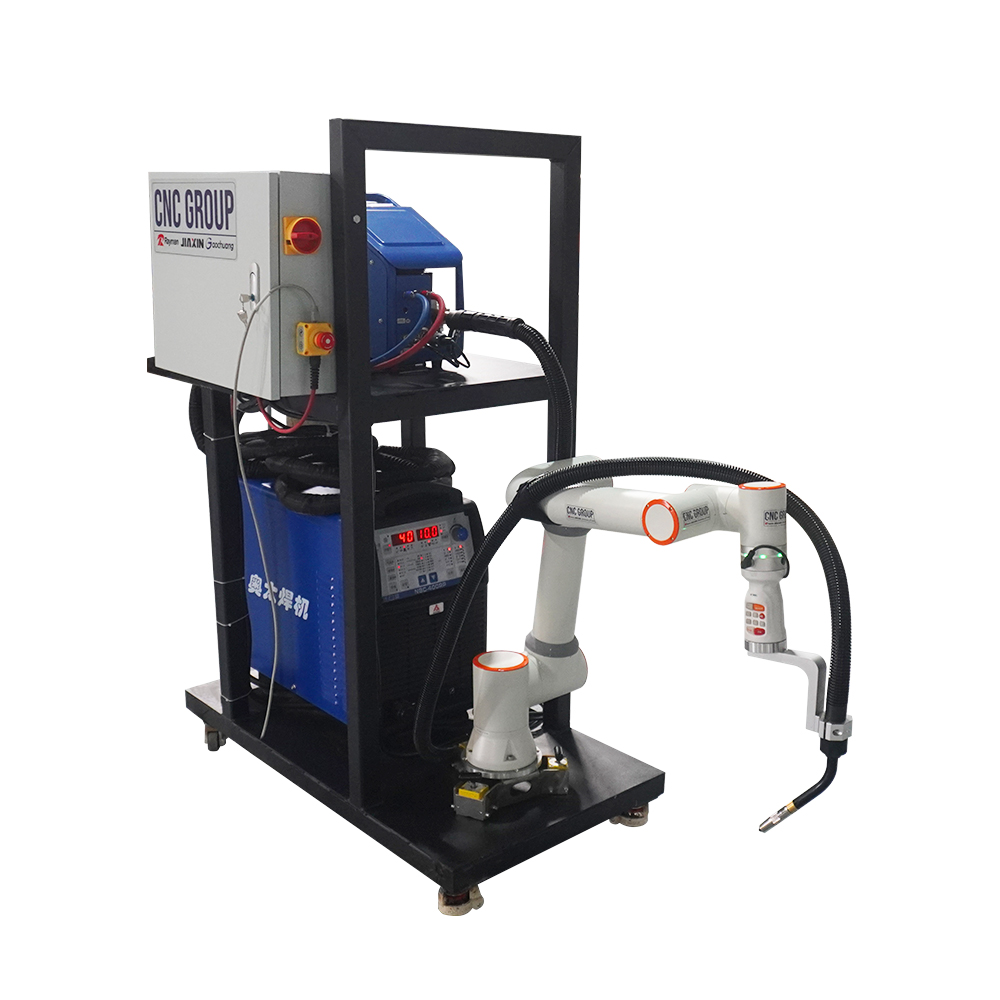
Cost Reduction Through Industrial Robots
Labor Cost Savings from Automating Repetitive, High-Volume Tasks
Industrial robots reduce direct labor expenses by taking over repetitive, high-volume operations that would otherwise require multiple shifts. A 2022 cross-industry manufacturing survey found 42% of companies reported measurable reductions in operational costs after adopting AI-enabled robotics. For example, a food packaging facility cut labor costs by 30% by deploying robotic arms for sorting and packaging. These systems operate continuously—without breaks, overtime pay, or sick leave—lowering payroll burdens and minimizing costly human errors. One robotic arm can match the output of up to three workers in certain tasks, while eliminating expenses tied to benefits, supervision, and repeated training. Automating hazardous or monotonous tasks also reduces injury-related costs and attrition. Over time, the shift from manual labor to skilled oversight roles creates a more flexible workforce: companies invest in technicians who manage, maintain, and optimize the robot fleet rather than paying for repetitive motion. This transition improves unit economics and helps address persistent labor shortages—delivering a leaner cost structure with higher output per labor hour.
Lower Maintenance and Downtime with Predictive Analytics Integration
Predictive analytics transforms industrial robot maintenance from reactive to planned. Sensors embedded in robotic arms and conveyors continuously monitor vibration, temperature, and torque; this data feeds machine learning models that flag wear before failure. When anomalies appear, software schedules repairs during planned downtime—not after breakdowns—reducing emergency callouts and production losses. As a result, mean time between failures increases across the robot cell. Unlike human-operated lines, robots do not call in sick or take unscheduled breaks, reducing operational variance. With predictive maintenance, fewer technicians are needed for emergency repairs, and digital twin simulations allow maintenance scenarios to be tested without halting production. These capabilities lower spare parts inventory and overtime pay for repair crews—cutting cost per operating hour and improving throughput reliability. Mature facilities using predictive analytics often see double-digit reductions in downtime-related costs, turning maintenance from a cost center into a predictable, optimized function.
Strong ROI: Payback Periods Under 2 Years in Mature Use Cases
In mature applications—such as welding, palletizing, and machine tending—industrial robots frequently deliver payback in under two years. A basic robotic arm system with installation, training, and spares may cost $250,000 for two units. If those robots replace the equivalent of three workers per shift, labor savings alone can repay the investment within 18–24 months. Production gains compound this return: an 8-hour manual task may be completed in just 3 hours, boosting output by more than 150%. Additional value comes from lower rework, reduced material waste, and fewer quality inspections. To project ROI accurately, companies should benchmark current spending on labor, training, quality issues, and downtime before automating a specific process. Comparing that annual cost against robot deployment often reveals a sub-two-year payback window. After that point, the robot continues generating returns with minimal incremental labor cost—strengthening long-term profitability and making automation one of the strongest near-term business cases in modern manufacturing.
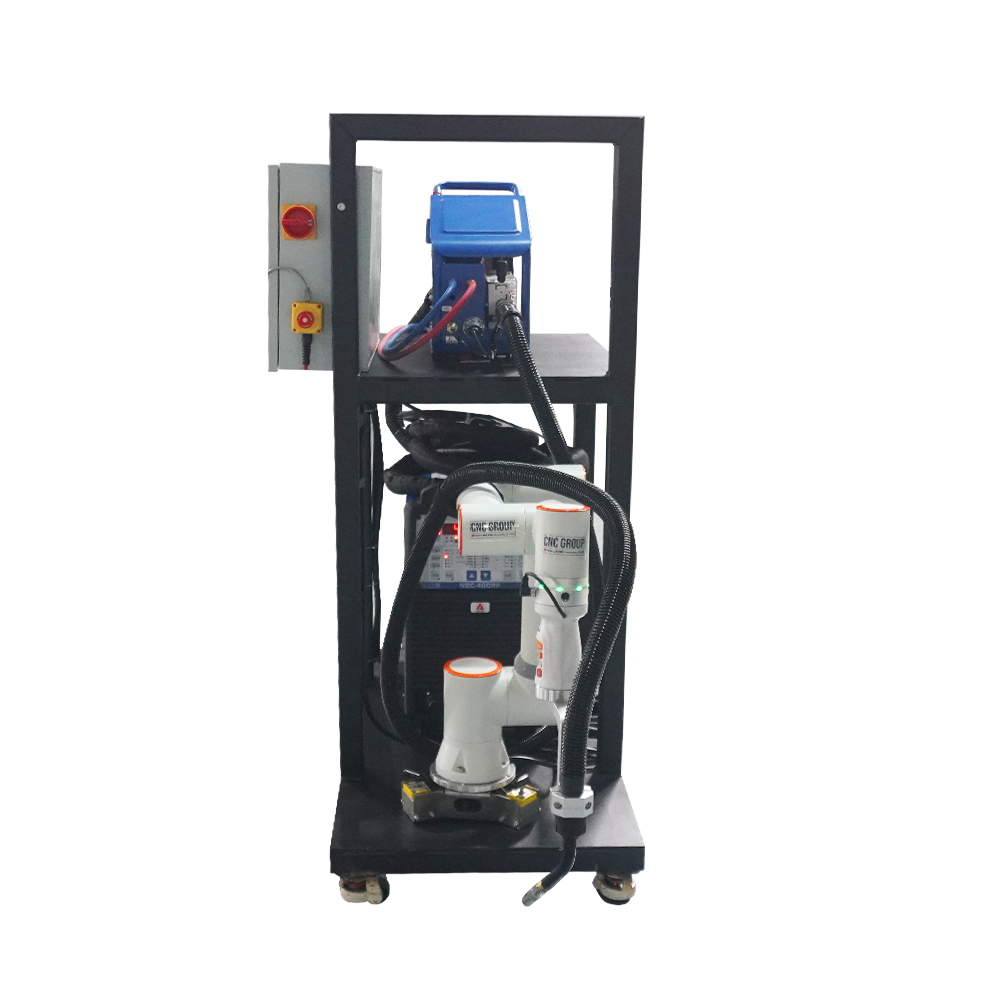
Productivity and Operational Efficiency Gains from Industrial Robots
Uninterrupted 24/7 Production Cycles Independent of Human Shift Limits
Industrial robots enable continuous production because they do not require rest breaks, shift handovers, or days off. A robotic cell can load, weld, assemble, or package parts at the same speed at 3 a.m. as at noon—reducing idle time across the line. In a 2023 operations analysis, discrete manufacturers that adopted lights-out operations increased equipment utilization by 20–30%, largely by removing human shift constraints. This steady cadence shortens lead times and allows plants to accept higher-volume orders without adding labor. It also stabilizes critical process parameters—such as temperature, torque, and cycle time—that manual variation often disrupts. To sustain 24/7 operation, companies must pair robots with robust preventive maintenance, remote monitoring, and spare-part controls. When those supports are in place, production shifts from a fixed-shift model to a demand-driven flow—helping manufacturers meet peak demand without overtime costs. The result is higher throughput, fewer scheduling conflicts, and greater confidence in delivery promises.
Real-Time Optimization via IoT and MES Synchronization
Connected robots feed real-time data into IoT (Internet of Things) platforms and MES (Manufacturing Execution System) software. This synchronization gives managers a live view of cycle times, energy use, and tool wear. In a 2023 manufacturing survey, 68% of manufacturers with MES integration reported faster detection of process deviations. When sensors detect rising vibration or temperature, the system can slow a robot, schedule maintenance, or adjust feed rates before defects occur. Real-time optimization also reduces manual reporting and data lag, so production schedules reflect actual shop-floor conditions. MES work orders can automatically reroute parts, balance workloads, and release materials based on robot availability. This data-driven loop improves overall equipment effectiveness (OEE), shortens changeover time, and helps plants run closer to takt time. As a result, robots become intelligent nodes in a connected production system—not just actuators, but decision-enablers.
Quality, Safety, and Scalability Advantages of Industrial Robots
Sub-Millimeter Precision Driving Up to 90% Defect Rate Reduction
Industrial robots deliver sub-millimeter repeatability that manual processes cannot match. In electronics assembly, vision-guided arms place components within ±0.025 mm, reducing misalignment and rework. This precision drives defect rate reductions of up to 90% in mature applications (Robotics Industry Association, 2023). Such consistency stabilizes process capability, lowers scrap, and reduces quality holds—improving throughput without added labor. For medical device or microchip production, tight tolerances elevate product reliability. Early defect detection lowers warranty costs, while closed-loop force feedback maintains uniformity across thousands of cycles. These gains directly support scalability: high precision remains stable even at higher speeds and volumes. Over time, integrated sensors help refine toolpaths and further shrink variation—enabling manufacturers to scale output without sacrificing quality.
Enhanced Worker Safety in Hazardous Environments
Assigning hazardous tasks to automated cells reduces direct human exposure to chemicals, extreme heat, and heavy machinery. A leading provider reports fewer recordable injuries after deploying robotic handling in foundry and paint operations (2023). Built-in safety features—such as collision avoidance and emergency stops—lower accident risk. The effect extends beyond physical protection: it reduces liability and insurance costs, shifts workers into supervisory roles, and strengthens overall safety culture and operational resilience. This transition also lowers long-term compensation claims—making automation a strategic investment in both people and productivity.
Expanding Business Impact: Industrial Robots Beyond Traditional Manufacturing
Logistics Automation (e.g., AGVs, Sortation Systems) and Healthcare Sterilization Applications
Industrial robots now drive value far beyond assembly lines. In logistics, automatic guided vehicles (AGVs) and sortation systems move materials and parcels continuously—reducing handling errors and labor bottlenecks. In healthcare, robotic systems support sterilization workflows, ensuring consistent disinfection of instruments and lowering contamination risks. These systems also enable traceability and round-the-clock material flow, freeing staff for higher-value judgment tasks in hazardous or sterile environments. This shift broadens the business case for automation, turning industrial robots into flexible assets across supply chains and clinical support operations.
Frequently Asked Questions (FAQs)
How do industrial robots help reduce labor costs?
Industrial robots automate repetitive, high-volume tasks, significantly reducing the need for manual labor. This leads to cost savings on wages, benefits, and training. Robots can operate continuously without breaks, which boosts productivity and reduces errors and injury-related costs.
What is predictive analytics in industrial robotics?
Predictive analytics in industrial robotics involves using sensors and machine learning models to monitor equipment performance and foresee potential issues. This allows for repairs and maintenance to be scheduled proactively, reducing downtime and production losses.
What is the typical ROI on industrial robots?
In mature use cases like welding or palletizing, the payback period for industrial robots can be under two years, thanks to significant labor cost savings, production efficiency, and reduced waste. Savings and increased productivity may lead to long-term profitability beyond the initial investment.
How do industrial robots improve productivity?
Industrial robots operate 24/7 without requiring rest or breaks, enabling continuous production and reducing idle time. They can also integrate with IoT and MES systems for real-time optimization, improving overall efficiency and supporting demand-driven workflows.
What are the safety benefits of industrial robots?
Industrial robots take on hazardous tasks, minimizing human exposure to dangerous environments, chemicals, and heavy machinery. Advanced safety features like collision avoidance reduce accident risk while shifting workers into safer supervisory roles.
Can industrial robots be used outside of manufacturing?
Yes, industrial robots are increasingly utilized in logistics (e.g., AGVs and sortation systems) and healthcare (e.g., sterilization workflows), ensuring efficient material handling, traceability, and consistent operational standards across various industries.
Table of Contents
- Cost Reduction Through Industrial Robots
- Productivity and Operational Efficiency Gains from Industrial Robots
- Quality, Safety, and Scalability Advantages of Industrial Robots
- Expanding Business Impact: Industrial Robots Beyond Traditional Manufacturing
-
Frequently Asked Questions (FAQs)
- How do industrial robots help reduce labor costs?
- What is predictive analytics in industrial robotics?
- What is the typical ROI on industrial robots?
- How do industrial robots improve productivity?
- What are the safety benefits of industrial robots?
- Can industrial robots be used outside of manufacturing?