
 EN
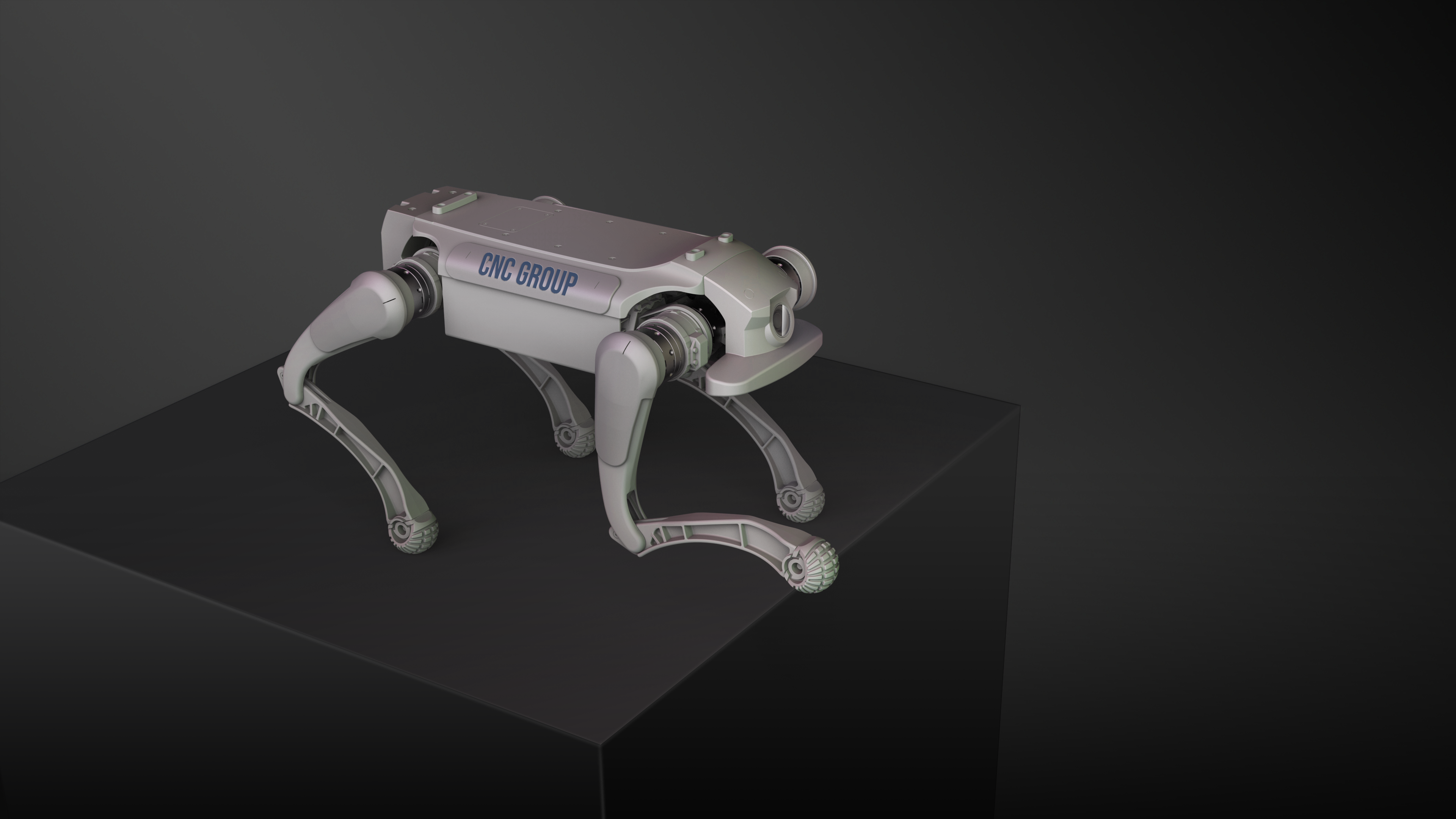
An AI robotic dog and a real pet solve different problems, and the comparison only makes sense once the buyer decides which problem they have. The gap between them sits in maintenance, predictability, and the kind of bond the owner is looking for. Buyers who weigh an AI robotic dog against a living animal on those terms avoid the disappointment that follows a purchase made on novelty. The guidance below covers real use cases, the failure modes of each choice, the engineering behind the machine, and a buyer checklist for a robotic pet and a companion robot.
Real-World Industry Case / Scenario
A Care Home That Chose Predictability
A care home wanted animal companionship without the allergy, the noise, or the care burden that a real pet brings, and trialled an AI robotic dog in the common room. The quadruped robot responded to touch and voice, ran on a schedule, and needed no feeding or walking. Staff found the maintenance was a charging routine rather than a duty roster. The buyer learned that an AI robotic dog wins where the constraint is care capacity, and that a companion robot chosen against a real limitation delivers what it promises.
Trial in the actual room before committing. A companion robot that engages in a quiet showroom may go quiet in a noisy common room, so the trial should run where the machine will live. Buyers who test with the real users see the engagement level before the purchase.
A documented cycle time baseline proves the saving rather than assuming it.
A Family That Wanted a Living Bond
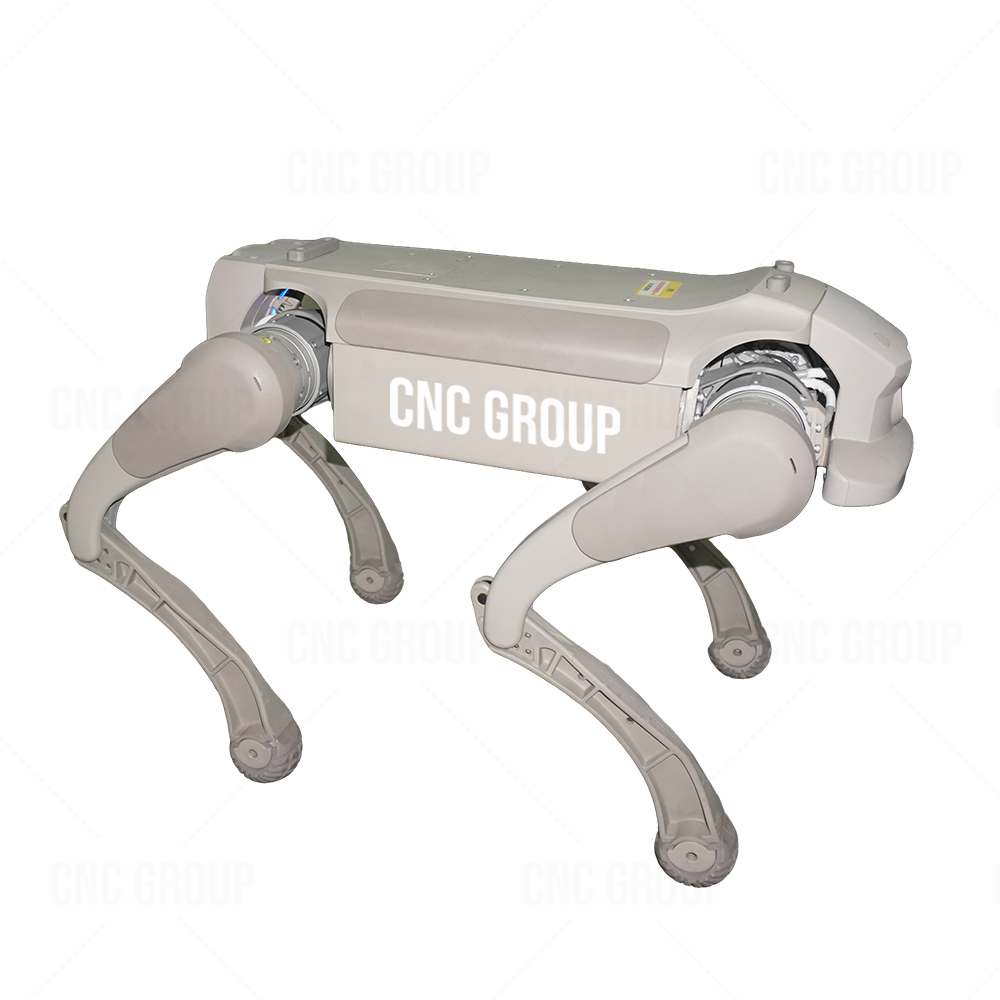
A family bought an AI robotic dog expecting the engagement of a living animal and found the novelty faded within weeks, because the machine could not grow or surprise. They later adopted a real dog and found the daily work was part of what made the bond. The buyer learned that an AI robotic dog cannot replace the living relationship, and that a robotic pet bought as a substitute for that bond disappoints.
Check the battery and charging routine. An AI robotic dog that needs a long charge after a short session will not be available when the room wants it, so the runtime should be measured against the actual use. A quadruped robot that is always charging is a machine nobody interacts with.
Spare wear parts on hand turn a fault into a short stop rather than a lost shift.
Risk & Failure Mode Analysis
Novelty Fade and Abandonment
The dominant risk with an AI robotic dog is novelty fade, where the initial engagement drops once the responses become predictable and the machine ends up in a cupboard. A companion robot that cannot develop leaves the owner with a device rather than a relationship. The fix is to buy against a real constraint such as allergy or care capacity, because an AI robotic dog chosen for a genuine need stays in use.
Ask about the software support window. A robotic pet depends on firmware that a single supplier controls, and an unsupported machine stops receiving the updates that drive its behaviour. Buyers should confirm the update policy, because an AI robotic dog without software support becomes a static toy.
A named owner for each cell keeps accountability clear when a fault appears.
Repair, Parts, and Obsolescence
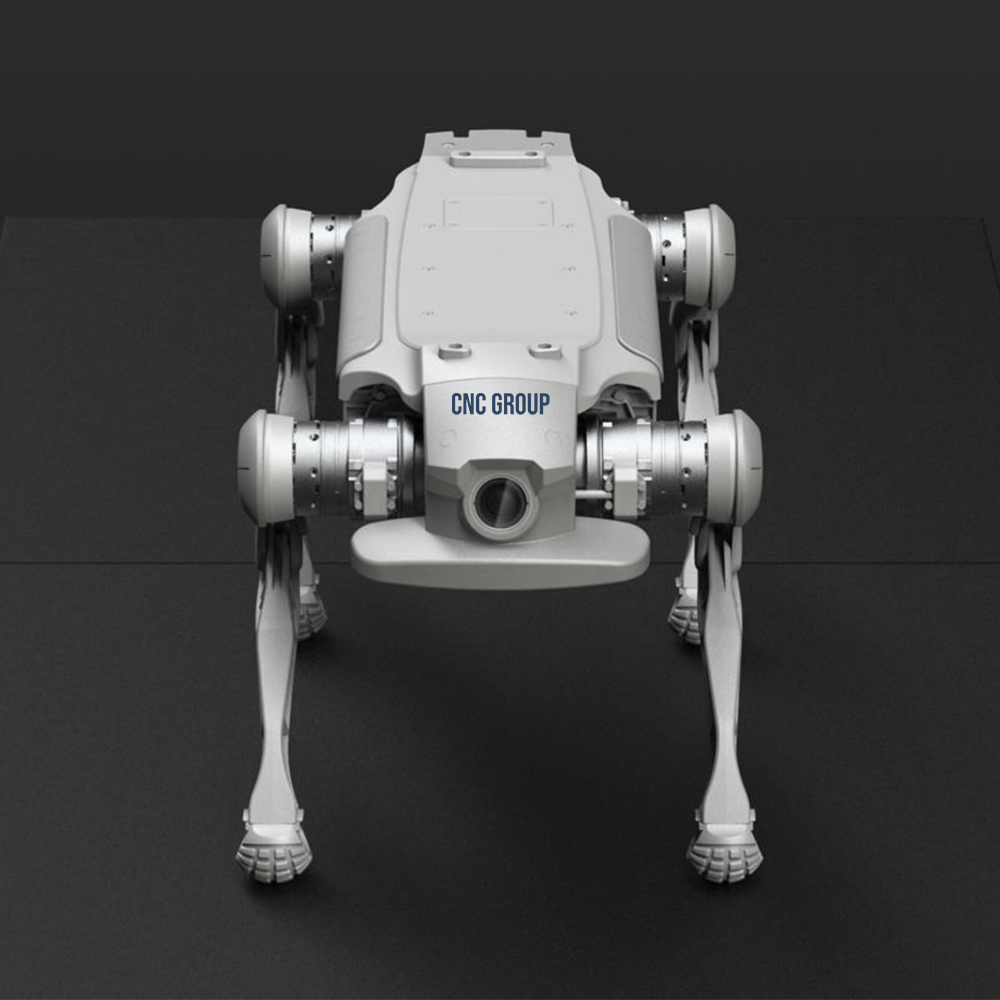
A second risk is the support life, since a robotic pet depends on batteries, servos, and firmware that a single supplier controls. When the maker moves on, the AI robotic dog becomes unrepairable and the software stops updating. The buyer should confirm the parts availability and the update policy before purchase, because a companion robot without a support path is a short-lived purchase.
Consider the cleaning routine. A machine handled by many people in a care setting needs a wipe-down routine and surfaces that tolerate it. A companion robot that cannot be cleaned properly will be taken out of service, which defeats the reason it was bought.
Regular inspection catches wear before it produces a scrap run or an injury.
Technical Principles & Standard Compliance
Sensing, Actuation, and Behaviour Modelling
An AI robotic dog combines a sensor suite, an actuation set, and a behaviour model that turns input into a response that reads as intentional. The sensors detect touch, sound, and sometimes gesture, while the actuators drive the gait and the head movement that make the machine feel present. The behaviour model is what separates a capable AI robotic dog from a remote-controlled toy, because the response has to feel earned rather than scripted. A quadruped robot also has to balance, walk, and recover from a stumble, which is a mechanical problem before it is a software one. Buyers should check the gait stability, the battery life, and the repairability, since a companion robot that falls over or cannot be opened is a frustration. The electrical and battery safety marks matter too, because the machine is handled by children and by older users. An AI robotic dog specified on sensing, actuation, behaviour, and support together delivers consistent value; one specified on appearance alone does not.
An automation project begins with the process, because a machine bought for a task it cannot do is floor space, not capacity.
A written maintenance schedule keeps the same standard across shifts and crews.
Actionable Buyer & Maintenance Guide
Choosing Between Machine and Living Pet
Buyers should decide first whether the need is companionship that grows or engagement without the care burden, then compare an AI robotic dog against a real pet on that basis. Suppliers of AI robotic dogs such as RM provide a companion robot brief that names sensors, gait, battery, and support life. The machine should be trialled in the room it will live in, with the actual users. A robotic pet bought against a real constraint earns its place, while one bought on novelty does not.
Operator training matters as much as the hardware, since an untrained crew underuses the cell and blames the machine.
Frequently Asked Questions
Question 1: Can an AI robotic dog replace a real pet?
Answer: For engagement and habit formation no, because a living animal grows, surprises, and forms a bond that a machine cannot reproduce. An AI robotic dog suits where the constraint is allergy, care capacity, or a no-pet building. Buyers who want the living relationship should expect the daily work that comes with it.
Question 2: What maintenance does a robotic pet need?
Answer: Maintenance is charging, cleaning, and periodic servicing of the actuators, which is lighter than the routine of a living animal but not zero. A companion robot still needs its battery replaced and its firmware updated. Buyers should confirm the parts availability before purchase, because an AI robotic dog without a support path becomes unrepairable.
Question 3: Is it safe around children?
Answer: A well-built AI robotic dog carries the electrical and battery safety marks and has pinch points designed out of the gait, but supervision is still sensible with younger children. A quadruped robot moves and can tip, so the play area should be clear. Buyers should check the certification rather than assume it, because a companion robot is handled closely.
Question 4: How long does the novelty last?
Answer: The novelty lasts where the machine meets a real need such as routine engagement in a care setting, and fades where it was bought as a toy. An AI robotic dog with a behaviour model that responds to the user holds attention longer than a scripted one. Buyers should trial it with the actual users, because a robotic pet that engages the room stays in use.