
 EN
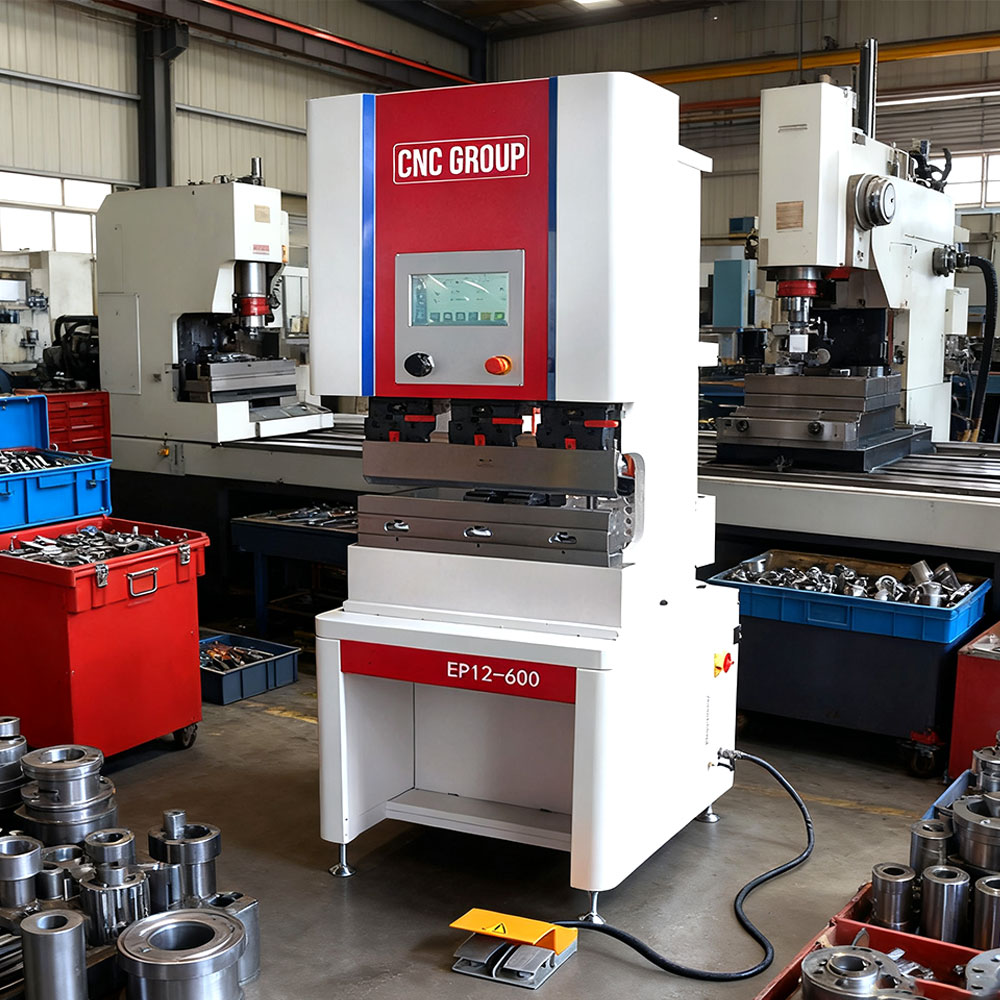
Precision, Repeatability, and Scalability: Core Operational Advantages of CNC Machinery
Tight tolerances reducing scrap and rework—quantifying cost avoidance
CNC machinery delivers repeatable accuracy that manual processes cannot reliably match. Modern systems routinely hold tolerances within ±0.001 mm—preventing dimensional drift, assembly failures, and downstream fit issues. This precision directly lowers scrap rates and reduces rework hours. According to 2024 industry benchmarks, tight-tolerance CNC processes can cut material waste by up to 30% within the first year. A 2023 operational study across discrete manufacturers found that a 10% reduction in rework avoids six-figure annual losses for a mid-size production line. Because tool paths are programmed once and executed consistently, material waste falls without adding labor or depending on operator judgment. Tighter first-pass yield also shortens inspection and quarantine time. When every part meets specification, downstream operations avoid late-stage failures, customer returns, and warranty claims—turning precision into a scalable financial advantage rooted in process capability, not human variability.
Repeatability ensuring brand consistency and meeting regulatory standards (e.g., ISO, AS9100)
Repeatability is the operational bridge between a single good part and a dependable product line. Once a CNC program is validated, every subsequent part follows the same cutting path, spindle speed, and feed rate. That consistency protects brand reputation—especially in consumer products where fit, finish, and dimensional stability influence loyalty—and supports compliance with ISO 9001 and AS9100, the aerospace quality management standard that mandates documented process control and traceability. In regulated sectors, repeatable CNC outputs simplify audit preparation: deviation data is smaller, corrective actions are fewer, and quality teams can reference machine logs and in-process gauging instead of relying on operator skill. This reduces the cost of non-conformance and accelerates supplier qualification. As production volumes grow, the same validated program continues to hold tolerances—so the brand promise remains stable across batches, facilities, and regions. That scalability turns precision into a lasting competitive advantage.
Measurable Efficiency Gains: Labor, Time, and Total Cost Reduction with CNC Machinery
Labor optimization: 40–60% fewer operators per line without sacrificing output
CNC machinery reduces direct labor requirements by automating tool changes, part handling, and multi-axis cutting sequences. In many high-volume lines, one operator can supervise several machines simultaneously—lowering per-part labor cost without reducing throughput. This shift commonly enables 40–60% fewer operators per production line while output stays level or increases. Programmed tool paths eliminate variability caused by operator fatigue, skill gaps, or manual setup changes. Fewer manual interventions reduce setup time, idle time, and the risk of human error. As a result, manufacturers reallocate skilled workers to higher-value tasks like quality control, maintenance, or programming—not repetitive machine tending. Lower labor content per part improves unit economics, especially for complex components with tight tolerances. These gains compound with long runs or repeat orders, as proven programs require minimal operator attention each cycle. Automation also cuts overtime demand during peak periods and reduces the cost of training new machinists—strengthening cost competitiveness without compromising quality.
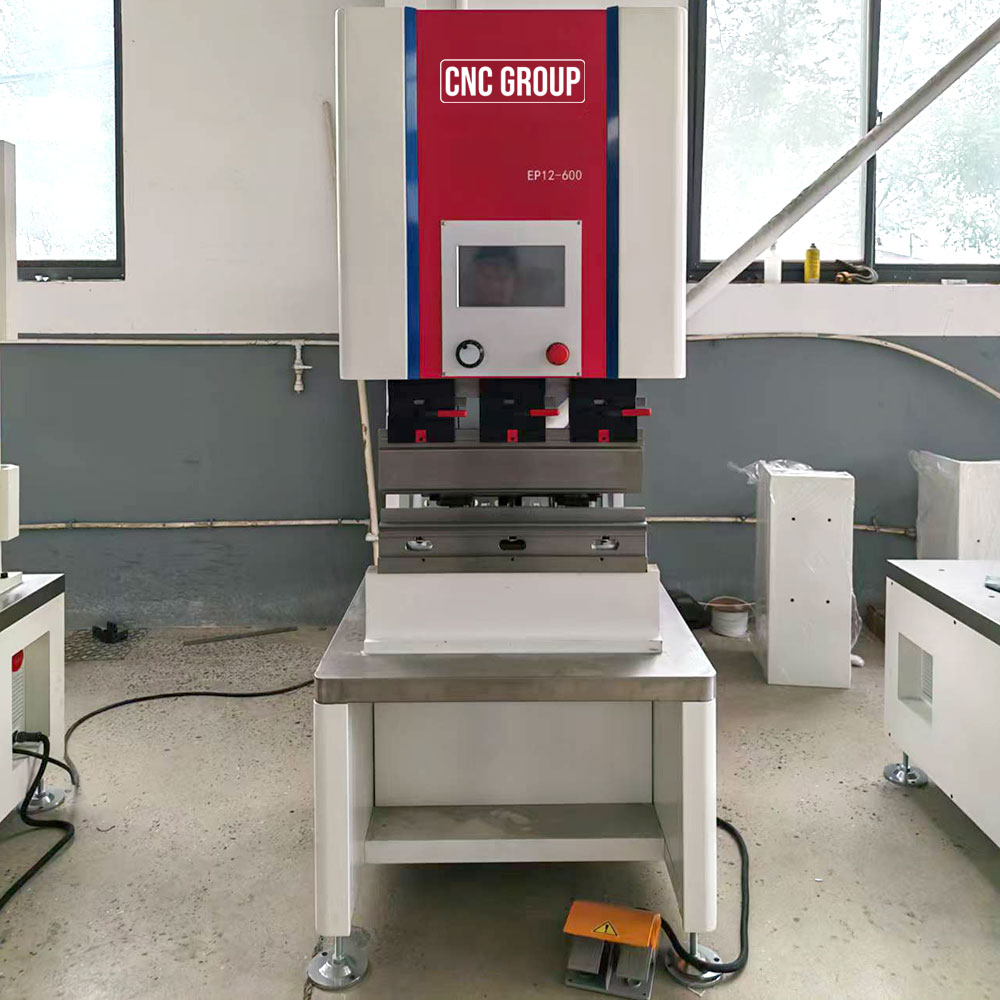
Cycle time compression in high-mix production—real-world aerospace and automotive benchmarks
High-mix production challenges setup time and changeover cost—but CNC machinery compresses cycle time through offline programming, pallet changers, and quick-change tooling. Industry benchmarks show CNC machining can be 75–300% faster than manual methods for comparable parts. Aerospace suppliers use multi-pallet systems to machine different part numbers without stopping the spindle, reducing non-cut time. Automotive manufacturers apply CNC lines with automated loading to maintain stable takt time across small batches. In these settings, cycle-time reduction comes not only from faster cutting speeds but also from fewer setups, less inspection wait, and smoother material flow. Shorter cycles improve on-time delivery, free capacity for higher-margin orders, and lower work-in-process inventory—shortening cash-to-cash cycles in capital-intensive sectors. This speed advantage supports broader product mix flexibility without requiring proportional increases in labor or floor space.
Cross-Industry Impact: How CNC Machinery Enables Innovation in Automotive, Medical, and Energy Sectors
CNC machinery spreads innovation across automotive, medical, and energy markets—linking precision cutting with digital traceability and durable component design.
Medical device manufacturing: CNC-integrated MES for ISO 13485 traceability and audit readiness
Medical device makers rely on CNC machining centers to produce implants, surgical tools, and diagnostic components demanding exact dimensions and clean surface finishes. Integrating CNC equipment with a Manufacturing Execution System (MES) builds a digital record of every production step—capturing tool IDs, machine settings, operator sign-offs, and in-process inspection data in real time. This supports ISO 13485 requirements for device history records, process validation, and corrective action. Auditors can retrieve timestamped logs in minutes instead of searching paper files; the system flags nonconforming cuts immediately and prevents unauthorized program changes by tying revisions to approved workflows. These controls reduce scrap, rework, and regulatory risk—strengthening audit readiness for U.S. FDA and EU MDR regulators. Traceability also enables rapid lot isolation during recalls, accelerating market access and reinforcing patient safety.
Energy sector applications: CNC-machined turbine components enabling higher efficiency and longer service life
Energy producers use CNC-machined turbine components across gas, steam, wind, and hydro systems. Precise blade geometry reduces aerodynamic drag and raises thermal efficiency. CNC machining removes material at controlled speeds—preserving metal grain structure in nickel-based superalloys and lowering micro-crack formation under high heat and rotational stress. Five-axis machining enables internal cooling channels in turbine blades, allowing higher firing temperatures without exceeding material limits—boosting power output per unit of fuel. Wind and hydro assets benefit from accurately machined hubs, shafts, and bearing seats that improve alignment, reduce vibration, and extend maintenance intervals. Oil and gas facilities deploy CNC-machined valve bodies and compressor components engineered to resist extreme pressure and corrosion while maintaining sealing integrity. The result is longer overhaul cycles, lower total lifecycle cost, improved return on assets, and stronger alignment with emissions targets.
FAQs
What are the advantages of CNC machinery in manufacturing processes?
CNC machinery provides advantages like precision (±0.001 mm tolerances), repeatability across production batches, reduced scrap and rework, cycle-time compression, and lower overall costs due to automation and better labor efficiency.
How does CNC machinery support regulated industries?
In regulated sectors like aerospace and medical, CNC machinery ensures compliance by maintaining documented process controls, traceability, and repeatability, meeting standards such as ISO 9001, AS9100, and ISO 13485.
What are the benefits of CNC-integrated traceability systems?
Integrating CNC with MES allows real-time logging of production data, facilitating regulatory compliance, audit readiness, and efficient recall handling while minimizing non-conformance risks.
How does CNC machinery optimize labor in manufacturing?
CNC automation reduces dependency on manual labor by enabling one operator to supervise multiple machines, cutting labor costs by up to 60% without sacrificing production output or quality.
What industries benefit the most from CNC technology?
Automotive, medical, and energy sectors benefit significantly due to CNC technology’s ability to support precision machining, innovative design requirements, and compliance with strict standards.