
 EN
EN
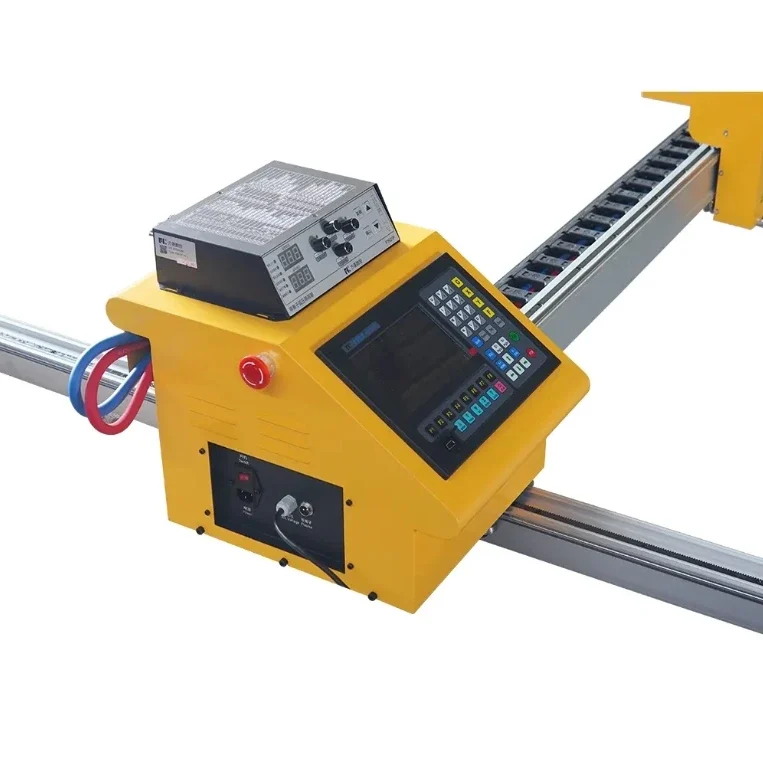
A cnc plasma cutter and table turns sheet metal into finished parts far faster than hand cutting, yet the sticker price is only the opening line of the cost story. The real return depends on how the system is fed, run, and maintained long after the invoice is paid.
How a Fabrication Shop Recovered Its Investment
When a cnc plasma cutter and table Replaces Manual Cutting
A job shop in Ohio running hand torches on 10-gauge steel hit a ceiling: orders climbed, but labor hours would not stretch. The owner installed a cnc plasma cutter and table rated for 1-inch steel with offline nesting software. Within the first quarter, plate utilization rose from about 62% to 81% as the program packed parts to waste less scrap. That change pulled payback down to roughly 14 months.
The pattern repeats across shops. Real return appears in three places: material saved, labor reclaimed, and rework avoided. Manual cutting drifts as the day wears on, while a guided torch follows the same path every time.
Hidden Costs That Quietly Erode the Numbers
Consumables drain budgets without drama. Electrodes, nozzles, and shields wear with every arc, and a worn tip widens the kerf, pushing edges out of tolerance. Downtime from a faulty ground clamp or a warped grid adds up faster than forecasts admit. Energy matters too, since older transformer supplies shed part of their draw as heat.
What Drives Cut Quality and Throughput
The Role of Amperage, Gas, and Travel Speed
Cut quality starts with matching amperage to thickness. Too little power leaves a dross-covered edge; too much bows thin sheet. Compressed air handles most steels, while argon-hydrogen blends serve stainless and aluminum with cleaner faces. Travel speed sets the standoff and heat-affected zone. A cnc plasma cutter and table holds that speed steady where a hand never can, so programmed cuts repeat inside tight bands.
Why the Table and Fume Control Matter
The table is not a passive slab. Water-injection or downdraft designs pull fumes away and keep the sheet flat, which means a consistent standoff. Warped plate lifts the torch too far and dulls the edge. A level cnc plasma cutter and table keeps the torch at the right height across the whole sheet, so dimensions stay honest. Fume extraction also protects breathing air under OSHA exposure rules.
Software, Nesting, and Lead-In Strategy
Offline nesting decides most savings before the torch fires. Strong programs share cut lines between neighbors and place lead-ins where they will not mark a visible face. A cnc plasma cutter and table is only as efficient as the file fed to it; a poorly nested sheet can waste 20% of the plate on spacing alone.
Choosing, Running, and Maintaining the System
What to Verify Before Buying
Match cut capacity to the thickest stock actually run, not the thickest imagined. A machine sized for 2-inch plate costs more and cuts thin sheet less cleanly. Request ISO 9001 records and CE or NRTL compliance, since those certificates signal build discipline. Ask any cnc plasma cutter and table under review for a sample cut on the buyer's own alloy, because plate behavior varies by grade.
Daily Use and Maintenance That Protect ROI
Operators should confirm the ground connection before each shift; a weak ground causes most erratic cuts and tip damage. Clear slag from the grid weekly so the sheet stays supported. Inspect consumables at every tip change and log the hours. A cnc plasma cutter and table that gets a ten-minute daily checkout outlasts a neglected unit by years.
A well-fed, well-maintained cnc plasma cutter and table cuts cleaner, wastes less plate, and stays productive long enough to amortize its cost several times over. The shops that win measure scrap, log consumables, and train operators instead of hoping for the best.
Frequently Asked Questions
What factors most affect the ROI of a CNC plasma system?
Material savings from nesting software, consumable life, and uptime drive most of the return. A cnc plasma cutter and table that cuts 80% of a plate instead of 60% pays back faster through scrap reduction alone. Labor reclaimed from manual work and rework avoided on clean edges add the rest. Tracking these numbers monthly keeps the investment honest and exposes waste early.
How often should consumables be replaced?
Electrodes and nozzles wear with arc time rather than calendar time. Inspect them at every tip change and replace once the orifice enlarges or the arc turns unstable. Most shops track hours per set; a sudden rise in dross or a wider kerf signals wear. Keeping a small spare stock avoids the multi-day downtime that waiting on parts creates, which protects both schedule and margin.
Why does table flatness change cut quality?
A warped or unsupported sheet lifts the torch away from the programmed standoff, stretching the arc and widening the kerf. That yields rougher edges and inconsistent dimensions across the plate. Downdraft or water tables hold stock flat and pull fumes away. Checking the grid for slag weekly keeps the surface true, so cuts repeat within tolerance and post-processing time stays low.
Which gas works best for different metals?
Compressed air suits most mild-steel work and costs little to supply. Stainless and aluminum cut cleaner with argon-hydrogen or nitrogen blends that reduce edge oxidation. The choice trades operating cost against finish quality. Matching gas to material and thickness limits dross and the heat-affected zone, so secondary grinding drops and throughput rises without extra labor.
Can a small shop justify the purchase?
Yes, when order volume covers the runtime. A shop cutting a few hours weekly may do better outsourcing, while one running daily gains from ownership through lower unit cost and faster turnaround. Calculating break-even against outsourced cutting clarifies the decision. Many small fabricators reach payback inside two years once nesting discipline and consumable tracking are in place.
When does operator training pay off most?
Training matters most in the first months, when habits form. Teaching standoff checks, consumable inspection, and nesting basics prevents the costly errors that erase savings. A trained operator spots a failing tip before it ruins a sheet. Documented procedures let any shift run the machine consistently, which protects throughput when staff change and keeps quality from depending on one person.