
 EN
EN
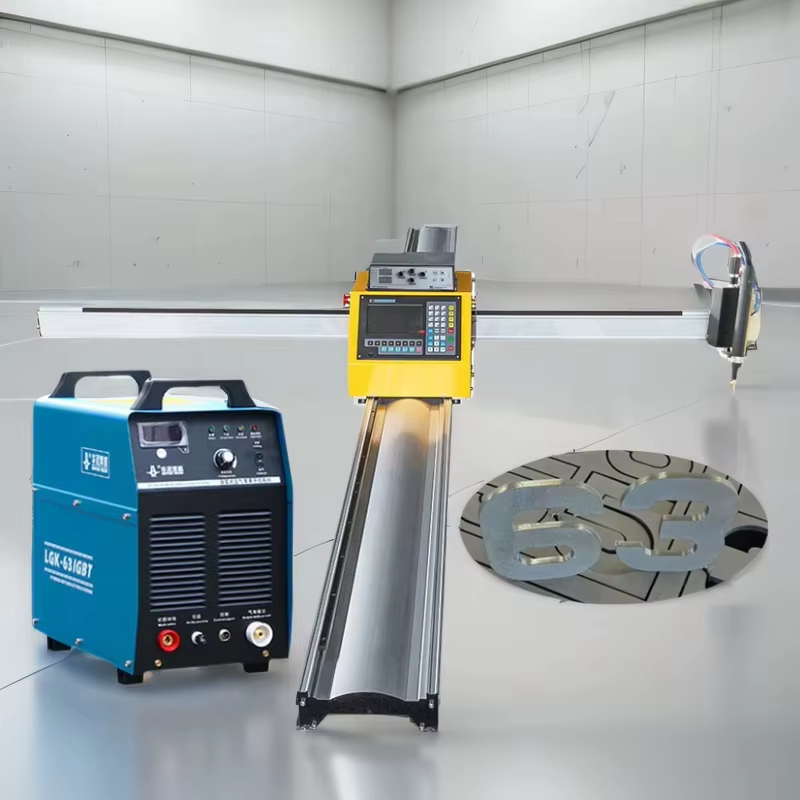
A cnc machine shop turns CAD drawings into precise metal parts, yet not every shop handles tolerances, materials, and volumes the same way. Picking the wrong partner shows up later as scrap, delays, and frustrated customers.
How a Medical Device Maker Avoided a Costly Mistake
When the wrong cnc machine shop Delayed a Launch
A startup building surgical brackets sent the first run to the lowest bidder. Parts arrived with inconsistent hole positions, and the shop had no inspection report to explain why. The device maker lost six weeks re-quoting and re-cutting. A cnc machine shop with proper measurement discipline would have caught the drift on the first article and documented it. The delay cost more than the saving the cheap quote promised.
The lesson is blunt: the price on the first quote is not the real price. The real price includes scrap, rework, and the schedule slip that follows.
What the Right Partner Changed
After switching, the maker received first-article inspection reports, material certificates, and tight repeatability across batches. The new cnc machine shop ran ISO 9001-documented processes and used in-process probing so a drifting tool was corrected before it ruined a tray of parts. Lead times steadied because the shop planned capacity instead of reacting. Throughput on the maker's line rose simply because parts fit the first time.
What Separates a Capable Shop from the Rest
Tolerances, Materials, and Certification
A serious shop states its achievable tolerance in writing and backs it with measurement. For most mills and lathes, ±0.005 inch is routine, while ±0.001 inch demands careful setup and verification. Material traceability matters in aerospace and medical work; ask for mill certificates. ISO 9001 signals a managed quality system, and AS9100 or IATF 16949 matter where those sectors apply. A shop that cannot produce these documents is signaling where its priorities sit.
Equipment, Multi-Axis, and Process Control
Spindle rigidity, coolant strategy, and tool management decide surface finish and tool life. A shop running worn machines hides that fact in uneven finishes and shortened tool life. Five-axis capability reduces setups for complex geometry, which lowers handling error. Look for tool presetters, in-machine probing, and a documented maintenance plan. Shops using CAD/CAM simulation before cutting avoid collisions and wasted stock, and that discipline shows in on-time delivery.
How to Evaluate and Work with a Shop
Questions to Ask Before the First Order
Ask how the cnc machine shop handles first-article inspection and what certificates it holds. Request references from similar industries and a sample run on the actual material. Clarify who owns the design files and how revisions are controlled. Confirm lead time under normal load and during peak season. A transparent shop answers these without hesitation; vague replies are worth more than a low number on the quote.
Protecting Quality Through the Production Run
Set acceptance criteria in writing before cutting begins, referencing standards such as ISO 2768 for general tolerances. Schedule a midpoint review on long runs so drift is caught early. A reliable cnc machine shop welcomes that oversight because it reduces risk for both sides. Keep communication on revisions tight, since an uncontrolled change is the fastest route to a bad batch and an argument about who approved it.
Selecting the right cnc machine shop is less about the lowest hourly rate and more about predictable quality, certificates, and communication. The shops that protect a buyer's schedule invest in measurement, maintenance, and trained staff. Visiting the floor, reading the quality documents, and starting with a small trial order turn a risky choice into a steady supply relationship.
Frequently Asked Questions
What should a buyer check first in a cnc machine shop?
Start with quality documentation: ISO 9001 certification, inspection reports, and material traceability. Then confirm the equipment matches the job, especially tolerance and material experience. A cnc machine shop that shares certificates and references openly is easier to trust than one that hedges. A small trial order reveals more about real discipline than any sales call can.
How important are certifications like ISO 9001?
ISO 9001 shows the shop runs documented, repeatable processes rather than heroics. For aerospace or medical parts, AS9100 or IATF 16949 add sector-specific controls. Certificates do not ensure a perfect part, but they signal that problems get caught and corrected systematically. Buyers in regulated industries often cannot source without them, so the paperwork is also a market requirement.
Which materials can most shops handle?
Aluminum, mild steel, stainless, brass, and many plastics fall within common capability. Exotic alloys such as titanium or Inconel need specific tooling, coolant, and experience. A cnc machine shop comfortable with the exact alloy saves time on the first run. Asking for a sample on the real material exposes gaps before a full order is committed and prevents expensive surprises later.
Can a small shop match a large one on quality?
Yes, when the small shop invests in measurement and training. Size affects capacity, not necessarily precision. A focused cnc machine shop may give a buyer more attention and faster communication than a high-volume plant. The trade-off is volume: very large orders may strain a small floor. Matching shop size to order profile matters more than headcount alone.
When should first-article inspection happen?
First-article inspection should occur on the initial run of a new part, before series production. It confirms the setup, tooling, and program produce parts within tolerance. A cnc machine shop that performs it and shares the report reduces the risk of discovering errors after hundreds of parts exist. Repeating the check after any design or process change keeps later batches aligned.
Why does communication affect final cost?
Unclear requirements and uncontrolled revisions cause scrap and rework, which raise the true cost far above the quote. A cnc machine shop that confirms specs, asks good questions, and documents changes protects the buyer's budget. Miscommunication also delays delivery, and a late shipment can idle an entire assembly line. Clear, written agreements turn a transaction into a reliable supply chain.