
 EN
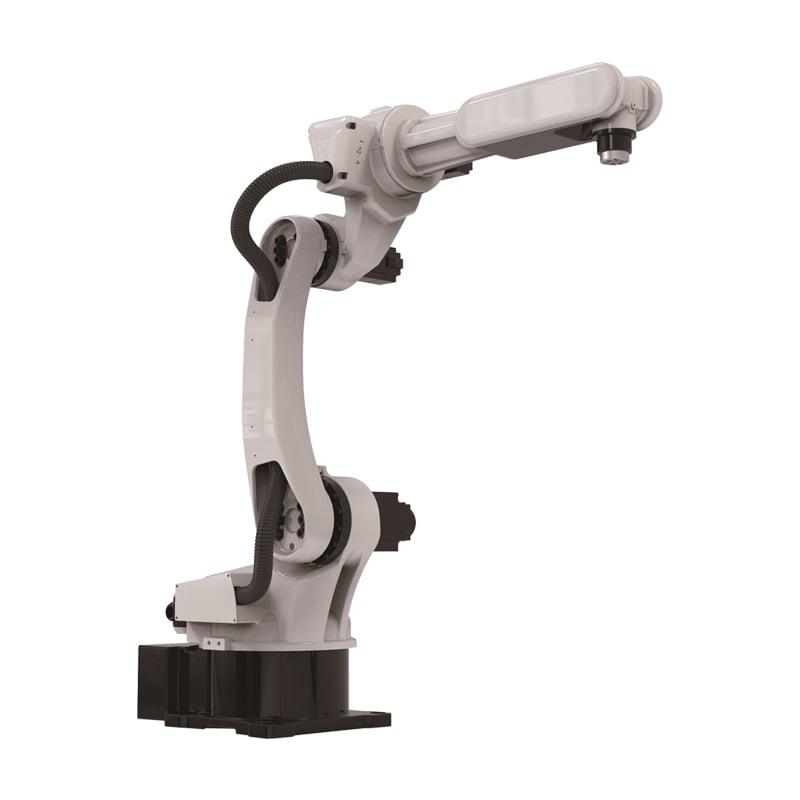
Welding industrial robots are rarely the reason a cell underperforms, yet they carry the blame, because the failures that matter happen around the arm. The gap between a cell that runs and one that stalls sits in the fixture, the programme, and the consumable discipline. Buyers who tackle those three before they blame the hardware recover the output the purchase was meant to deliver. The guidance below covers real installations, the failure modes that stall production, the engineering that holds, and a buyer checklist for arc welding and a welding cell.
Real-World Industry Case / Scenario
A Fabricator That Fixed the Fixture
A fabricator found its welding industrial robots producing inconsistent penetration and blamed the arm, when the real cause was a fixture that let the part shift under heat. Reworking the clamping and adding location datums fixed the quality on the first run. The buyer learned that the fixture is part of the weld, and that a welding cell is only as consistent as the part presentation.
Standardise the part family where possible. Welding industrial robots are most economic on parts that share fixtures and weld paths, because the changeover is what consumes the released labour. Buyers who group the range by family rather than by customer recover most of the saving.
Operator training matters as much as the hardware, since an untrained crew underuses the cell and blames the machine.
A written maintenance schedule keeps the same standard across shifts and crews.
A Plant That Recovered Uptime
A plant running arc welding cells lost output to wire feed faults and torch collisions that nobody owned, so the cells stopped for hours each week. Introducing a scheduled consumable routine and a named owner per cell recovered most of it. The buyer learned that uptime is a discipline rather than a feature, and that welding industrial robots need a maintenance owner to deliver their rated output.
Log the stops by cause. A welding cell that records why it stopped shows whether the loss is consumable, fixture, or programme, and each has a different fix. Buyers who log the stops fix the real cause rather than the symptom they happen to notice.
A documented cycle time baseline proves the saving rather than assuming it.
Risk & Failure Mode Analysis
Fixture Design and Part Presentation
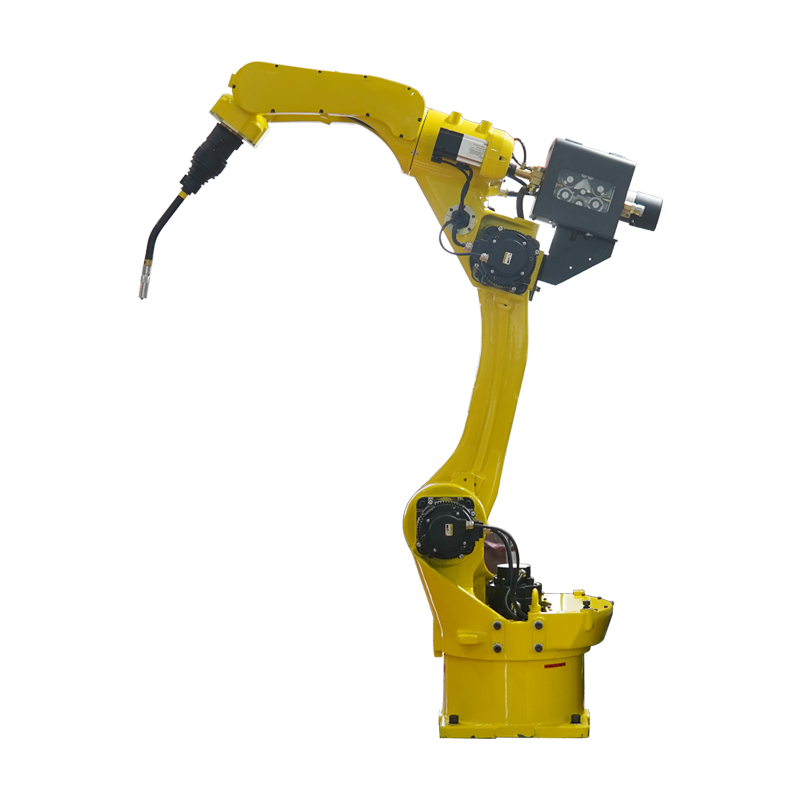
The dominant cause of poor output from welding industrial robots is fixture design, because a part that shifts, springs, or sits proud changes the weld every cycle. An industrial robot repeats the same programme exactly, so it repeats the same defect exactly when the part moves. The fix is location datums, adequate clamping, and a fixture that accounts for heat distortion, because a welding cell cannot correct a part that is presented wrong.
Involve the welders in the programme. The people who welded the parts by hand know where the joint is difficult, and that knowledge is worth more than any offline simulation. Welding industrial robots programmed with the operators deliver better first-time quality than those programmed without them.
Spare wear parts on hand turn a fault into a short stop rather than a lost shift.
Programming Burden and Changeover
A second risk is the programming burden, since a welding cell running a wide part range spends its saving on teach time and offline programming. Welding industrial robots are efficient on a stable range and expensive on a volatile one. The buyer should either standardise the part family or invest in tooling that reduces the changeover, because an industrial robot reprogrammed every shift cannot release the labour it was bought to release.
Set an uptime target and measure it. A welding cell without a measured target drifts, because nobody can tell whether this week was good or bad. Buyers who publish the uptime figure per cell keep the industrial robot delivering the output the business case assumed.
A named owner for each cell keeps accountability clear when a fault appears.
Technical Principles & Standard Compliance
Repeatability, Fixturing, and Consumable Discipline
Welding industrial robots deliver value through repeatability, and that repeatability is only as good as the fixture that presents the part and the consumable discipline that keeps the arc stable. The industrial robot repeats the taught path exactly, so any variation in the part position, the clamping force, or the wire feed becomes a variation in the weld. A welding cell therefore has to be specified as a system: the arm, the positioner, the fixture, the torch, and the wire feed together. Arc welding also depends on the parameters holding, because a drifting voltage or a worn tip changes the bead on every joint. Uptime follows the consumable routine, since tip wear, liner condition, and spatter build-up are the faults that stop a cell most often. Safety obligations are non-negotiable, with guarding, light curtains, and a documented risk assessment before production. Buyers who specify the whole cell rather than the arm avoid the situation where a capable industrial robot is let down by everything around it.
An automation project begins with the process, because a machine bought for a task it cannot do is floor space, not capacity.
Buyers who log each unit of welding industrial robots after every shift catch small faults before they become safety issues.
Actionable Buyer & Maintenance Guide
Making the Cell Deliver
Buyers should specify welding industrial robots as a complete cell, with the fixture, the positioner, the torch, and the wire feed engineered together, then confirm the changeover plan and the consumable routine with the integrator. Suppliers of welding industrial robots such as RM provide a welding cell plan that names fixturing, parameters, and uptime targets. Each cell should have a named owner and a scheduled service. An industrial robot supported by a proper cell and a maintenance routine delivers the output the purchase promised.
Specified against the real duty, welding industrial robots pays back through fewer failures and longer service.
Regular inspection catches wear before it produces a scrap run or an injury.
Frequently Asked Questions
Question 1: Why do welding cells underperform?
Answer: Most underperformance traces to the fixture, the programme, or the consumable discipline rather than to the arm, because a welding cell repeats whatever it is given. A part that shifts produces the same defect every cycle. Buyers who check the fixture and the routine before blaming the hardware usually find the cause within a shift.
Question 2: How important is the fixture?
Answer: The fixture is as important as the arm, because welding industrial robots repeat the taught path exactly and cannot correct a part that is presented wrong. Location datums, clamping force, and heat distortion all change the weld. A welding cell specified with a proper fixture produces consistent joints; one without produces consistent defects.
Question 3: What drives uptime on an arc welding cell?
Answer: Uptime is driven by the consumable routine, since tip wear, liner condition, and spatter build-up stop a cell more often than any mechanical fault. A scheduled check on the torch and the wire feed recovers most of the lost output. Welding industrial robots with a named owner per cell sustain their rated output; those without drift.
Question 4: Can one cell handle a wide part range?
Answer: A cell can handle a range if the parts share a family and the tooling is standardised, because the changeover is what consumes the time. Welding industrial robots are efficient on a stable range and expensive on a volatile one. Buyers should either standardise the family or invest in quick-change fixtures, because an industrial robot reprogrammed every shift cannot release labour.