
 EN
EN
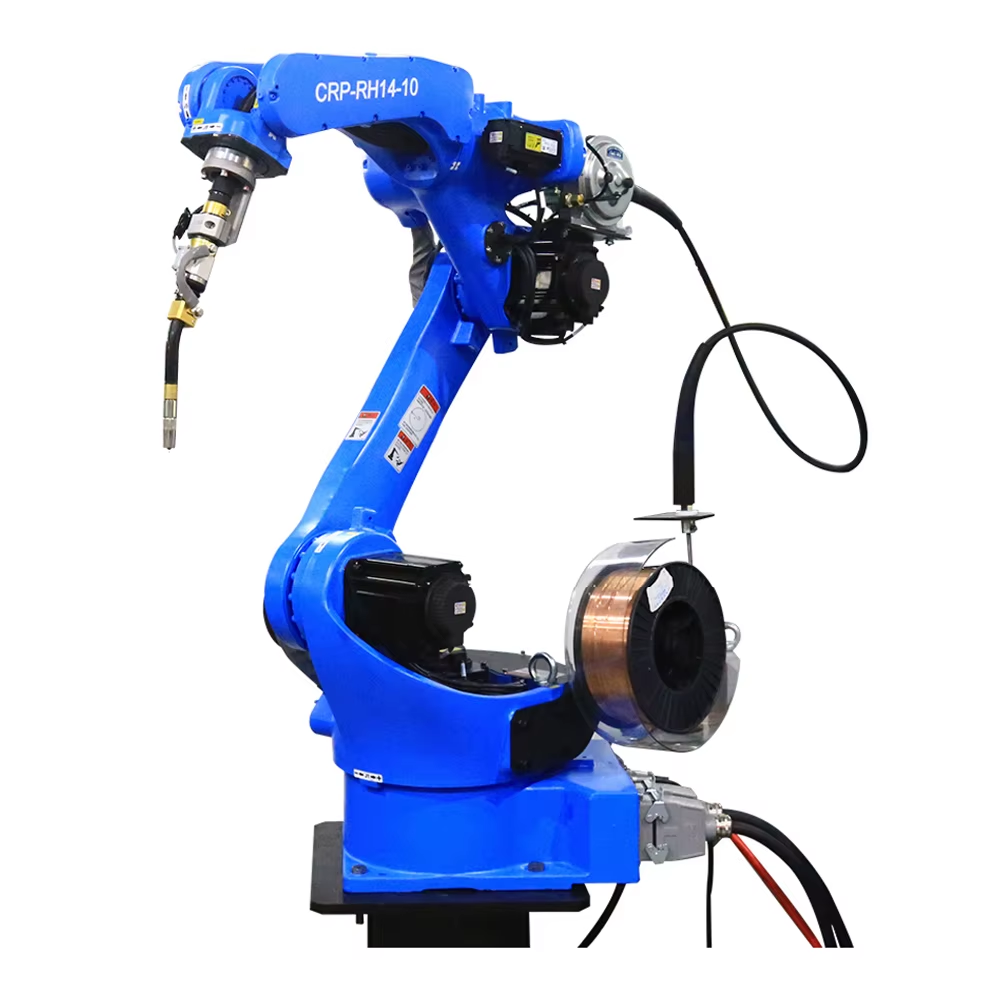
Robot tech has moved from fixed, caged automation to flexible systems that learn, sense, and adapt on the factory floor.
How a Parts Supplier Cut Downtime with Smarter Machines
When robot tech Predicted a Bearing Failure
A Tier-2 supplier running a welding cell suffered random stoppages that no one could forecast. The plant added vibration sensors and connected the controller to a monitoring platform. Robot tech now flags a degrading bearing weeks before it seizes, so maintenance swaps it on a planned shift instead of an emergency call at 2 a.m. Unplanned downtime on that line dropped by roughly 40% in the first half year, and the maintenance team finally worked ahead of failures instead of behind them.
The win was not a faster robot. It was information arriving early enough to act on.
The Broader Payoff Across the Floor
Once one cell proved the model, the supplier extended the approach to tending and inspection stations. Robot tech tied to production data exposed bottlenecks that managers had only guessed at. Changeover times fell because programs and settings moved with the job, not with tribal knowledge. The cultural shift mattered most: teams started trusting data over habit, and that mindset outlasted any single machine on the floor.
What Powers Modern Robotics
Sensors, Vision, and Connectivity
Today's robot tech leans on perception as much as motion. Machine vision lets a cell locate parts that arrive crooked, and force sensors let an arm feel insertion resistance instead of forcing it. Connectivity through industrial networks feeds every cycle into a dashboard, so a drifting process shows up as a trend rather than a surprise. A robot tech stack without this data layer is blind; the hardware moves, but no one learns from it.
Software and the Logic Behind Decisions
The intelligence lives in software. Offline programming, digital twins, and path-planning algorithms let a cell be simulated before a part is cut. Robot tech that learns from each cycle can adjust parameters to hold tolerance as tools wear. Decisions that once needed an engineer at the panel now run in the background. The risk is dependence: a system nobody understands is a system nobody can fix when it misbehaves on a bad day.
Adopting Robotics Without Overspending
Start with a Clear Problem, Not a Theme
Buyers chase "smart factory" headlines and end up with expensive demos. Robot tech pays when aimed at a specific pain: a bottleneck, a safety risk, or a labor gap. Define the baseline first, then choose the smallest system that moves it. A focused project shows return in months and builds the internal skill to attempt the next one. Chasing breadth before proof spreads budget thin and leaves no measurable win.
Measure, Maintain, and Scale on Evidence
Track the metric the project targeted from day one, whether it is uptime, scrap, or labor hours. Robot tech that is not measured is assumed to work, which hides drift. Service reducers, cables, and sensors on schedule, because connected machines still wear mechanically. Scale only after the first cell proves its number. A disciplined rollout turns pilot success into plant-wide capacity without the debt of half-finished initiatives.
Robot tech delivers value when it targets a real constraint and ships with the data to prove it. The strongest deployments pair connected sensors, sensible software, and a team that understands both, then measure the result against a clear baseline. Starting narrow, maintaining on schedule, and scaling from evidence keeps the investment honest and the floor moving.
Frequently Asked Questions
What does robot tech include today?
Modern robot tech spans industrial robots, collaborative cobots, machine vision, and the software that connects them. It also covers predictive maintenance, digital twins, and networked controllers that share cycle data. The phrase describes a system, not a single machine. Value comes from linking perception, motion, and data so the floor learns from every part produced rather than repeating old mistakes.
How does predictive maintenance work?
Sensors track vibration, temperature, and current draw on each axis. These platforms compare that data to a healthy baseline and flag drift before a part fails. Maintenance then acts on a planned stop instead of an emergency. The approach cuts unplanned downtime and extends component life, because bearings and cables are swapped on condition rather than on a fixed, often premature, calendar schedule.
Which industries benefit most?
Automotive, electronics, and metal fabrication lead, but logistics, food, and pharmaceuticals adopt fast. Such systems fit any process that is repetitive, precise, or hazardous. The deciding factor is consistency under volume. When quality depends on repeating one motion perfectly, automation pays; where variety dominates, flexible cobots and vision handle the changeovers better.
Can small manufacturers afford it?
Yes, by starting small. Automation no longer requires a six-figure, fenced cell; a capable cobot and a vision kit can fit modest budgets. The smarter move is solving one painful task and proving the return before expanding. Leasing and modular tools lower entry cost further. The risk is buying breadth before a single win, which strands budget in demos that never reach the floor.
When should a company connect machines to data?
Connect when the data will change a decision. Robot tech feeding a dashboard only helps if someone acts on the trend. Start with the one line where downtime or scrap hurts most, prove the insight, then extend. Connecting everything at once creates noise and no clear owner. A focused rollout builds the habit of using data before the whole plant depends on it.
Why does staff training still matter?
Automation without understanding is fragile. The setup fails when only one engineer can diagnose it, because that person becomes a single point of failure. Training operators to read alarms, recover safely, and report anomalies keeps the cell running and spreads the knowledge. A trained floor also suggests better uses and catches problems early, protecting the investment far better than the hardware alone.