
 EN
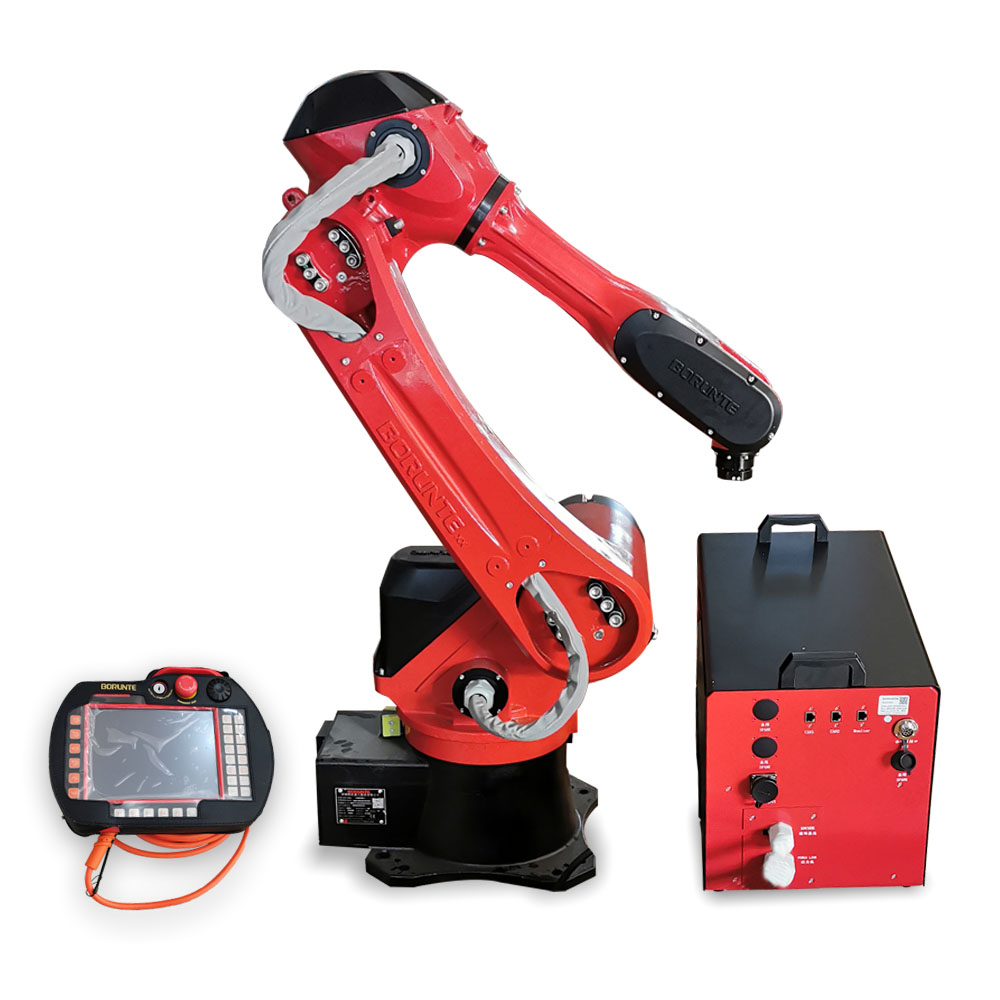
Factory robots are bought for many reasons, and only some of them survive contact with the balance sheet. The gap between an automation project that pays and one that becomes floor space sits in whether the business goal was specific. Buyers who name the goal before the purchase avoid the project that modernises nothing. The guidance below covers real decisions, the failure modes of a vague brief, the engineering that supports a real goal, and a buyer checklist for industrial automation and robotic integration.
Real-World Industry Case / Scenario
A Plant That Named the Constraint
A plant wanted factory robots without a clear goal and nearly bought a general-purpose cell. Naming the actual constraint, which was a bottleneck station losing output every shift, produced a targeted integration that paid back in a year. The buyer learned that a specific goal produces a specific machine, and that industrial automation justified by a named constraint survives review.
Specified against the real duty, factory robots pays back through fewer failures and longer service.
Check the feeding and inspection path. A manufacturing robot is only as fast as the equipment that feeds it and the inspection that follows it, so the whole flow has to be specified. Buyers who specify only the cell discover the constraint on the first production day.
An automation project begins with the process, because a machine bought for a task it cannot do is floor space, not capacity.
A Manufacturer That Modernised Nothing
A manufacturer bought factory robots to look current and installed them on a process that did not need them, so the cells idled and the operators worked around them. The capital was spent and the output did not move. The buyer learned that a manufacturing robot needs a task it genuinely improves, and that robotic integration without a goal produces equipment nobody uses.
Buyers who log each unit of factory robots after every shift catch small faults before they become safety issues.
Buyers who weigh material and specification as highly as price get more from factory robots.
Operator training matters as much as the hardware, since an untrained crew underuses the cell and blames the machine.
Risk & Failure Mode Analysis
Vague Goals and Unused Capacity
The dominant risk is a vague goal, because factory robots bought to modernise rather than to solve a named constraint end up underused. A cell that runs one shift a week cannot pay back the capital or the floor space. The fix is to name the constraint, the volume, and the metric before the purchase, because industrial automation justified by a number survives the review that a vision does not.
The case for factory robots is strongest where demand is continuous and the specification is fixed.
A documented care routine keeps factory robots inside rated limits and extends working life.
A documented cycle time baseline proves the saving rather than assuming it.
Integration Gaps and Organisational Resistance
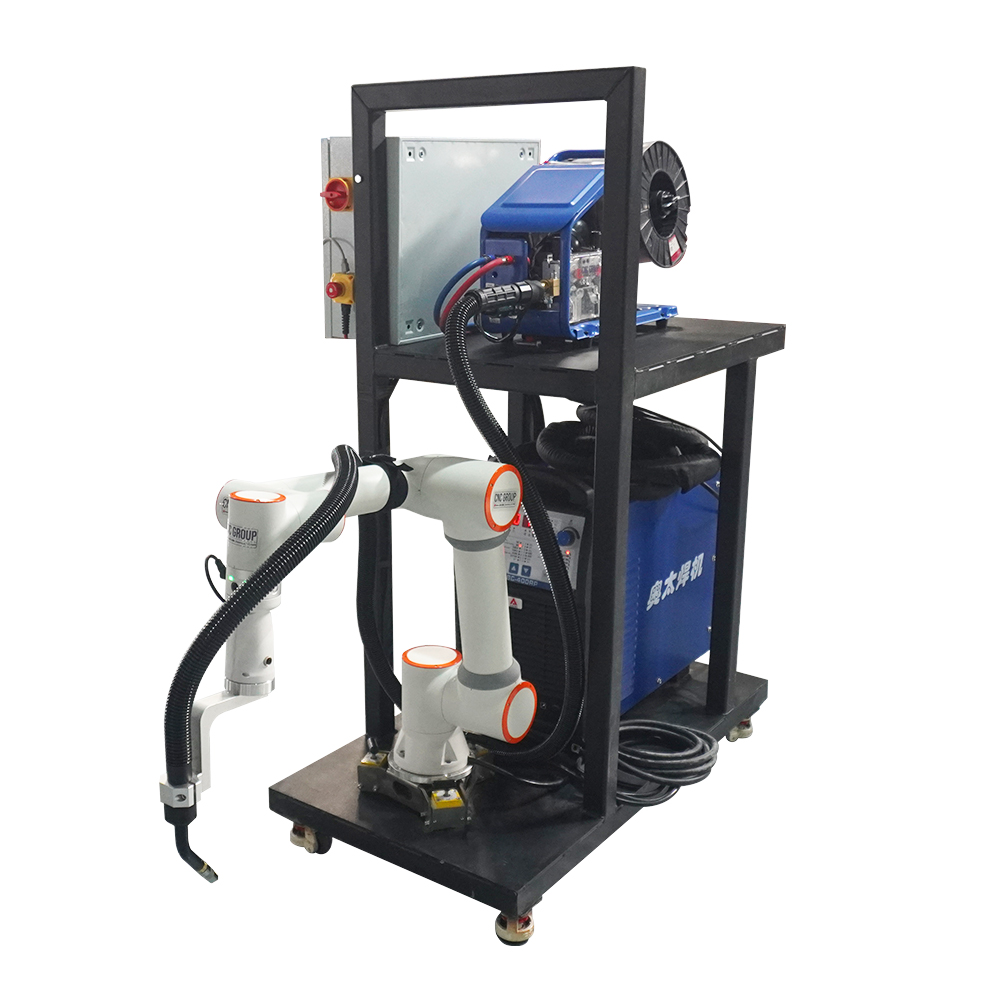
A second risk is the integration gap, where the manufacturing robot works but the process around it does not, so the cell waits for material, tooling, or inspection. Organisational resistance matters too, because a cell the operators do not trust gets bypassed. The buyer should design the whole flow and involve the floor early, because robotic integration is an organisational change as much as a technical one.
Choosing factory robots starts with the duty, the environment, and the volume involved.
Involve the floor from the start. Robotic integration is an organisational change as much as a technical one, and a cell the operators do not trust gets bypassed. Buyers who bring the operators into the design get a cell that is used rather than worked around.
Technical Principles & Standard Compliance
Task Fit, Volume, and Systems Integration
Factory robots align with business goals when the task, the volume, and the surrounding systems are specified together. The task has to be repetitive, hazardous, or precision-limited enough that a manufacturing robot genuinely improves it, because automation applied to a task a human does better simply moves the cost. The volume determines the payback, since a cell that runs one shift cannot recover the capital of one that runs three. Systems integration is where most projects succeed or fail, because the cell has to be fed, sequenced, and inspected by equipment that talks to it. Industrial automation also carries the safety obligations of any moving machinery, with guarding, risk assessment, and a documented maintenance regime. Factory robots that pass the safety and integration review deliver reliably, while those that skip it stall at commissioning. Buyers should confirm the task fit, the volume, and the integration plan before the order, because a factory robot specified against a named goal delivers it while one specified against a trend does not.
Name the metric before the machine. Industrial automation justified by a number such as units per shift, defects per thousand, or incidents per year can be defended, while a vision cannot. Buyers who quantify the goal first choose the right machine and survive the review.
The best return on factory robots comes when installation and maintenance are treated as part of the product.
Actionable Buyer & Maintenance Guide
Testing the Alignment Before the Purchase
Buyers should name the constraint, quantify the volume, and confirm the surrounding systems can feed and support the cell before choosing factory robots. Factory robots earn their place only where the task, the volume, and the systems line up, because a cell that cannot be fed cannot deliver. Suppliers of factory robots such as RM provide a robotic integration brief that names task, volume, and the systems the cell must talk to. The floor should be involved from the start. Industrial automation that passes that test delivers the goal; automation that does not becomes equipment nobody uses.
A clean, dry store keeps factory robots serviceable and shortens the return-to-service time.
Review the goal after six months. Factory robots drift from the original business case as the process changes, so the alignment should be rechecked rather than assumed. Buyers who review the goal catch the cell that has stopped serving it.
Frequently Asked Questions
Question 1: How can a plant tell whether factory robots fit?
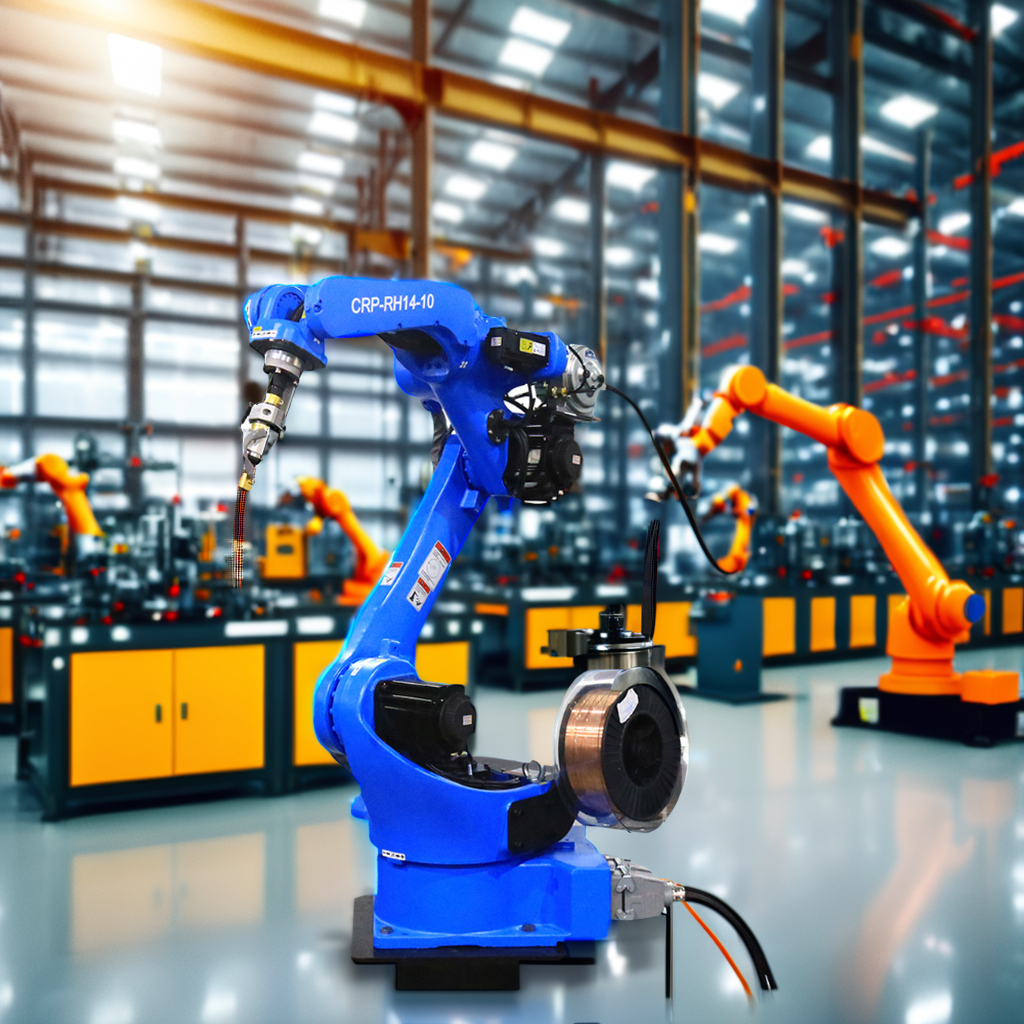
Answer: The fit is confirmed when the task is repetitive or hazardous, the volume supports the capital, and the surrounding systems can feed the cell. Factory robots bought without those three answers rarely pay back. Factory robots chosen against a named constraint find the machine that solves it rather than the one that looks modern.
Question 2: What goals justify the investment?
Answer: Volume, consistency, and safety are the goals that justify the spend, because each produces a measurable return a manufacturing robot can deliver. A general wish to modernise does not. Buyers who quantify the goal in units, defects, or incidents can defend the investment; those who cannot cannot.
Question 3: Why do automation projects get bypassed?
Answer: Projects get bypassed when the operators do not trust the cell or the process around it does not feed it reliably. Factory robots that wait for material or inspection lose the saving to idle time. Buyers who involve the floor and design the whole flow keep the robotic integration in use.
Question 4: What is the most common mistake?
Answer: The most common mistake is buying the machine before naming the constraint, which produces a capable manufacturing robot applied to a task that did not need it. Industrial automation justified by a number survives the review that a vision does not. Buyers who quantify the goal first avoid the capital that becomes floor space.