
 EN
EN
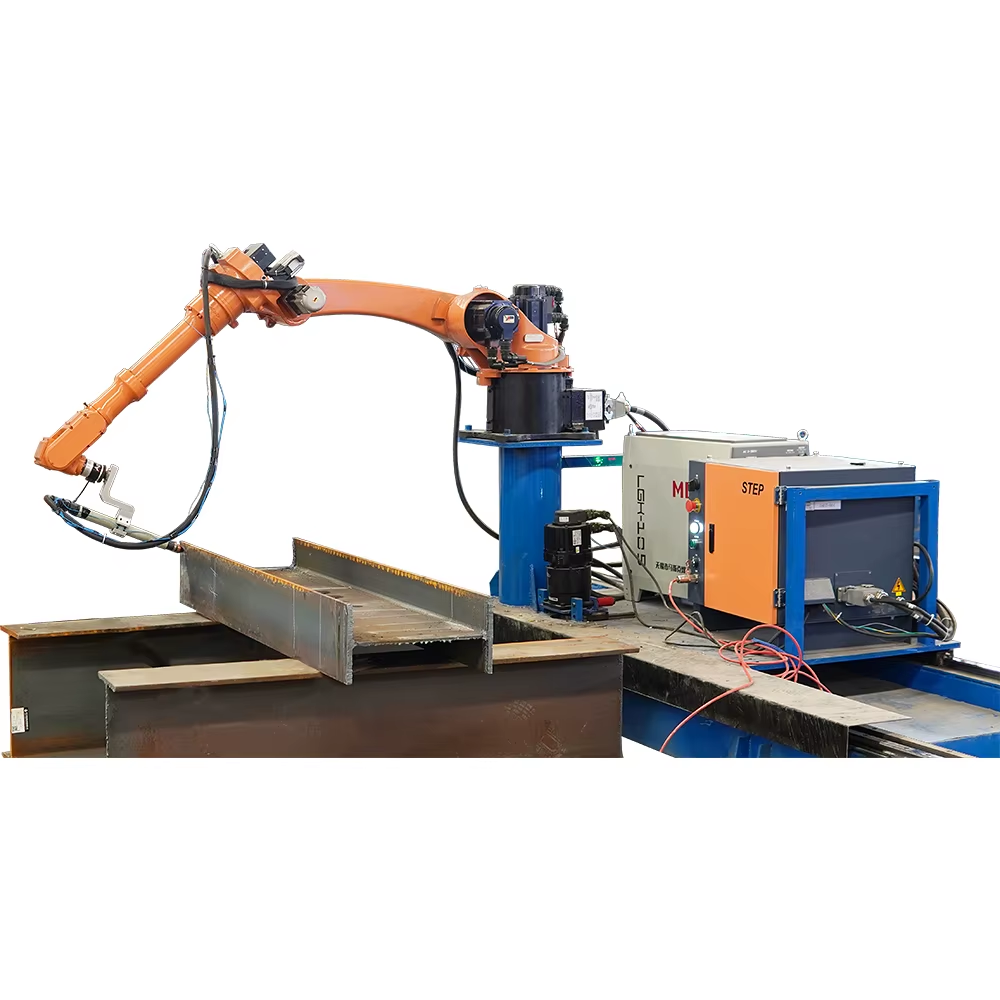
การปฏิวัติด้านต้นทุน: หุ่นยนต์ร่วมงานราคาประหยัดช่วยให้บรรลุผลตอบแทนจากการลงทุน (ROI) ได้อย่างรวดเร็วอย่างไร
จากหุ่นยนต์อุตสาหกรรมราคาเกิน 100,000 ดอลลาร์สหรัฐฯ ไปสู่หุ่นยนต์ร่วมงาน (cobots) ที่มีราคาต่ำกว่า 35,000 ดอลลาร์สหรัฐฯ: การวัดจุดเปลี่ยนของต้นทุน
โลกของระบบอัตโนมัติได้เปลี่ยนแปลงไปอย่างมากนับตั้งแต่หุ่นยนต์ร่วมงาน (cobots) ที่มีราคาไม่แพงเข้ามาเป็นที่นิยม ย้อนกลับไปในสมัยที่บริษัทต้องการนำระบบอัตโนมัติมาใช้ในกระบวนการผลิต พวกเขาจำเป็นต้องจ่ายเงินมากกว่า 100,000 ดอลลาร์สหรัฐฯ เพียงเพื่อซื้อหุ่นยนต์ตัวเดียวเท่านั้น โดยยังไม่นับค่าใช้จ่ายเพิ่มเติมสำหรับการติดตั้งและมาตรการความปลอดภัยอื่นๆ อีก ทว่าในปัจจุบัน หุ่นยนต์ร่วมงานรุ่นใหม่สามารถหาซื้อได้เริ่มต้นที่ประมาณ 35,000 ดอลลาร์สหรัฐฯ แล้ว ทำไมจึงมีการลดลงอย่างมากเช่นนี้? เหตุผลหลักคือการออกแบบเชิงกลที่เรียบง่ายขึ้น ชิ้นส่วนที่สามารถหาซื้อได้ทั่วไปตามท้องตลาด และเครื่องมือสำหรับการเขียนโปรแกรมที่ใช้งานง่ายขึ้น ซึ่งส่งผลให้ราคาลดลงอย่างมีนัยสำคัญ สำหรับธุรกิจขนาดกลางและขนาดย่อม สามารถประหยัดค่าใช้จ่ายในการลงทุนครั้งแรกได้ระหว่าง 65% ถึง 80% เมื่อเปรียบเทียบกับโซลูชันระบบอัตโนมัติรุ่นเก่า และนี่คือสิ่งที่หลายคนอาจไม่รู้: ราคาที่ถูกกว่าไม่ได้หมายความว่าคุณภาพแย่ลงแต่อย่างใด รุ่นปัจจุบันสามารถรองรับน้ำหนักบรรทุกได้สูงสุดถึง 16 กิโลกรัม และรักษาระดับความแม่นยำไว้ภายในช่วง ±0.03 มิลลิเมตร ซึ่งประสิทธิภาพระดับนี้สามารถแข่งขันโดยตรงกับหุ่นยนต์อุตสาหกรรมแบบดั้งเดิมได้ ทั้งนี้ หุ่นยนต์รุ่นใหม่เหล่านี้สามารถทำงานร่วมกับพนักงานได้โดยตรง ไม่จำเป็นต้องติดตั้งกรงหรือสิ่งกีดขวางเพื่อความปลอดภัยที่มีราคาแพงอีกต่อไป
การตัดการป้องกัน การผสานรวม และค่าใช้จ่ายด้านวิศวกรรมออก: ผลประหยัดที่ซ่อนอยู่ซึ่งขับเคลื่อนอัตราผลตอบแทนจากการลงทุน (ROI) ภายใน 12 เดือน
เมื่อพิจารณาเกินกว่าต้นทุนเริ่มต้นเพียงอย่างเดียว หุ่นยนต์ร่วมงาน (cobots) ที่มีราคาไม่สูงเกินไปกลับช่วยให้บริษัทประหยัดค่าใช้จ่ายได้จริงในหลายด้าน ซึ่งส่งผลให้ระยะเวลาในการคืนทุนสั้นลงอย่างมีนัยสำคัญ ระบบอัตโนมัติแบบทั่วไปจำเป็นต้องติดตั้งรั้วกันความปลอดภัยที่มีราคาแพง โดยแต่ละเซลล์อาจมีค่าใช้จ่ายตั้งแต่หนึ่งหมื่นห้าพันถึงห้าหมื่นดอลลาร์สหรัฐฯ จากนั้นมีค่าใช้จ่ายเพิ่มเติมในการจ้างวิศวกรผู้เชี่ยวชาญเฉพาะทางสำหรับการบูรณาการ ซึ่งมักสูงกว่าสองหมื่นดอลลาร์สหรัฐฯ รวมทั้งเวลาที่สูญเสียไปจากการหยุดการผลิตระหว่างการติดตั้ง หุ่นยนต์ร่วมงานสามารถลดปัญหาเหล่านี้ส่วนใหญ่ได้ เนื่องจากมีเซ็นเซอร์ในตัวที่จำกัดแรง ตรวจจับการชนแบบเรียลไทม์ และปฏิบัติตามมาตรฐาน ISO สำหรับการใช้งานอย่างปลอดภัยร่วมกับมนุษย์โดยไม่จำเป็นต้องติดตั้งสิ่งกีดขวางทางกายภาพรอบตัว กระบวนการติดตั้งหุ่นยนต์ร่วมงานมักดำเนินการได้ง่ายเหมือนระบบแบบปลั๊กแอนด์เพลย์ (plug and play) ใช้เวลาเพียงไม่กี่ชั่วโมงแทนที่จะเป็นหลายสัปดาห์ ซึ่งตามการศึกษาบางฉบับ ช่วยลดต้นทุนด้านวิศวกรรมลงได้ประมาณเจ็ดสิบเปอร์เซ็นต์ นอกจากนี้ ผู้ปฏิบัติงานไม่จำเป็นต้องผ่านการฝึกอบรมอย่างเข้มข้นแต่อย่างใด หุ่นยนต์ร่วมงานยังใช้พลังงานน้อยกว่าหุ่นยนต์อุตสาหกรรมทั่วไปมาก (ประมาณหนึ่งร้อยวัตต์เทียบกับหนึ่งพันห้าร้อยวัตต์) และไม่จำเป็นต้องปรับปรุงโครงสร้างโรงงานที่มีอยู่แล้ว ประโยชน์เหล่านี้ทำให้โรงงานจำนวนมากสามารถคืนทุนภายในระยะเวลาเพียงสิบสองเดือน เมื่อนำหุ่นยนต์ร่วมงานไปใช้ในงานต่าง ๆ เช่น การประกอบอุปกรณ์อิเล็กทรอนิกส์ การจัดการชิ้นส่วนสำหรับเครื่องจักร CNC หรืองานบรรจุภัณฑ์ ข้อมูลจากภาคสนามจริงแสดงให้เห็นว่า ผู้ผลิตโดยรวมใช้จ่ายน้อยลงถึงสามสิบถึงห้าสิบเปอร์เซ็นต์เมื่อเลือกใช้หุ่นยนต์ร่วมงานแทนโซลูชันระบบอัตโนมัติแบบดั้งเดิม ซึ่งเปลี่ยนแนวคิดเกี่ยวกับหุ่นยนต์จาก ‘การลงทุนด้านทุนขนาดใหญ่’ ไปสู่ ‘เครื่องมือเชิงปฏิบัติ’ ที่สามารถเพิ่มประสิทธิภาพการผลิตได้ทันที
การเปิดโอกาสในการใช้ระบบอัตโนมัติ: หุ่นยนต์ร่วมงานแบบราคาประหยัดสำหรับวิสาหกิจขนาดกลางและขนาดย่อม (SMEs) และภาคส่วนที่ไม่ใช่ดั้งเดิม
การนำหุ่นยนต์ร่วมงานแบบราคาประหยัดมาใช้ในวิสาหกิจขนาดกลางและขนาดย่อมเพิ่มขึ้นอย่างรวดเร็ว: 68% ของการติดตั้งหุ่นยนต์ร่วมงานแบบราคาประหยัดครั้งใหม่ในปี 2023 ไปยังบริษัทที่มีพนักงานน้อยกว่า 200 คน (IFR 2024)
ผู้ผลิตขนาดเล็กกำลังเร่งพัฒนาหุ่นยนต์อย่างจริงจังในปัจจุบัน ตามข้อมูลจากสหพันธ์หุ่นยนต์นานาชาติ (International Federation of Robotics) ที่เผยแพร่ในปี 2024 พบว่าเมื่อปีที่ผ่านมา หุ่นยนต์ร่วมงานกับมนุษย์ (cobots) ที่ติดตั้งใหม่ทั้งหมดประมาณสองในสามส่วนได้ถูกนำไปใช้งานในธุรกิจที่มีพนักงานน้อยกว่า 200 คน สิ่งใดที่ทำให้แนวโน้มนี้เป็นไปได้? คำตอบคือ หุ่นยนต์ร่วมงานเหล่านี้มีราคาต่ำกว่า 35,000 ดอลลาร์สหรัฐฯ สามารถเขียนโปรแกรมได้ผ่านการสาธิตแบบง่ายๆ หรือแม้แต่ผ่านแท็บเล็ต และเนื่องจากมีขนาดเล็กจึงสามารถติดตั้งลงในพื้นที่โรงงานที่มีอยู่แล้วได้โดยไม่จำเป็นต้องปรับปรุงโครงสร้างใหญ่โต ขณะที่หุ่นยนต์อุตสาหกรรมแบบดั้งเดิมมีราคาสูงกว่านี้หลายหมื่นดอลลาร์สหรัฐฯ และต้องมีระบบความปลอดภัยพิเศษ เช่น กรงป้องกันที่มีราคาแพง ซึ่งหุ่นยนต์ร่วมงานสามารถตัดปัญหาและความยุ่งยากด้านค่าใช้จ่ายเหล่านี้ออกไปทั้งหมด จึงไม่น่าแปลกใจที่ธุรกิจขนาดกลางและขนาดย่อมจำนวนมากเลือกนำมาใช้งาน แม้จะมีงบประมาณจำกัดก็ตาม บริษัทต่างๆ รายงานว่าสามารถคืนทุนจากการลงทุนภายในเวลาเพียงกว่าหนึ่งปี นอกจากนี้ยังช่วยแก้ไขปัญหาการขาดแคลนแรงงาน ทำให้กระบวนการผลิตมีความสม่ำเสมอมากยิ่งขึ้น และยังรองรับการขยายกำลังการผลิตได้ตามความต้องการ
เกินกว่าการผลิต: บรรจุภัณฑ์อาหาร ห้องปฏิบัติการ และคลินิกฟื้นฟูสมรรถภาพ ต่างนำหุ่นยนต์ร่วมงานแบบปลั๊กแอนด์เพลย์ที่มีราคาไม่แพงมาใช้งาน
หุ่นยนต์ร่วมงานแบบต้นทุนต่ำกำลังทำให้การใช้ระบบอัตโนมัติเป็นไปได้ในสถานที่ต่างๆ ที่อยู่ไกลเกินกว่าสิ่งที่คนส่วนใหญ่นึกถึงว่าเป็นโรงงาน ยกตัวอย่างเช่น กระบวนการบรรจุภัณฑ์อาหาร ซึ่งเครื่องจักรเหล่านี้ทำงานร่วมกับขนมอบ ผลไม้ และผักสดโดยไม่เสี่ยงต่อการปนเปื้อน หรือไม่ทำให้พนักงานล้าจากการจัดการสินค้าที่บอบบางเหล่านี้ตลอดทั้งวัน ห้องปฏิบัติการก็เริ่มฉลาดขึ้นเช่นกัน โดยใช้หุ่นยนต์ร่วมงาน (cobots) ในเวลากลางคืนเพื่อทำภาระงานซ้ำๆ เช่น การดูด-ปล่อยตัวอย่างด้วยปิเปต หรือการวางแผ่นทดลอง (plates) เพื่อให้นักวิจัยสามารถใช้เวลาวิเคราะห์ผลลัพธ์ได้จริง แทนที่จะต้องวิ่งไปมาทำสิ่งจำเจ แม้แต่คลินิกกายภาพบำบัดก็เริ่มนำแขนหุ่นยนต์เหล่านี้มาใช้ช่วยผู้ป่วยฝึกออกกำลังกายอย่างสม่ำเสมอ พร้อมบันทึกความก้าวหน้าแบบดิจิทัล ซึ่งส่งผลให้การรักษามีประสิทธิภาพมากขึ้นและอัตราการฟื้นตัวดีขึ้นด้วย สิ่งใดที่ทำให้ทั้งหมดนี้เป็นไปได้? คำตอบคือ หุ่นยนต์เหล่านี้ไม่จำเป็นต้องอาศัยวิศวกรเฉพาะทาง หรือการปรับเปลี่ยนโครงสร้างพื้นที่ที่มีอยู่อย่างใหญ่หลวง ด้วยการออกแบบที่เน้นความปลอดภัย หุ่นยนต์เหล่านี้จึงสามารถติดตั้งเข้าไปในสถานที่ทำงานที่มนุษย์กำลังปฏิบัติงานอยู่ได้ทันที และนี่คือเหตุผลที่หุ่นยนต์ร่วมงานไม่ได้จำกัดอยู่แค่ในภาคการผลิตอีกต่อไป แต่กำลังกลายเป็นส่วนสำคัญที่ขาดไม่ได้ในหลายอุตสาหกรรมที่หลากหลาย
การกำหนดนิยามใหม่ของกระบวนการทำงานระหว่างมนุษย์กับหุ่นยนต์: การเสริมพลัง ไม่ใช่การแทนที่
หุ่นยนต์ร่วมทำงาน (Cobots) ทำหน้าที่จัดการงานย่อยซ้ำๆ ขณะที่ยังคงรักษาบทบาทของแรงงานที่มีทักษะและเปิดโอกาสให้มีเส้นทางการพัฒนาทักษะขั้นสูงต่อไป
หุ่นยนต์ร่วมงานที่ไม่ทำให้เกิดภาระทางการเงินสูงเกินไปนั้นเหมาะอย่างยิ่งสำหรับงานซ้ำๆ ที่ไม่ต้องใช้การคิดวิเคราะห์มากนัก เช่น การจัดเรียงวัสดุ การขันสกรู การจัดวางสินค้าลงบนพาเลท หรือการตรวจสอบคุณภาพสินค้าด้วยสายตา เมื่องานย่อยๆ เหล่านี้ถูกทำให้เป็นระบบอัตโนมัติ ผู้ปฏิบัติงานที่มีประสบการณ์สามารถมุ่งเน้นไปที่งานที่สำคัญยิ่งกว่า เช่น การควบคุมและดูแลระบบหุ่นยนต์ การปรับปรุงกระบวนการผลิต การวิเคราะห์สาเหตุของปัญหา และการจัดการกับสถานการณ์ผิดปกติเมื่อเกิดขึ้น รายงานล่าสุดในปี 2025 ชี้ว่า ผู้ปฏิบัติงานที่ทำงานร่วมกับหุ่นยนต์ร่วมงาน (cobots) มีแนวโน้มได้รับใบรับรองความเชี่ยวชาญด้านเทคนิคเพิ่มขึ้นโดยเฉลี่ยประมาณ 35% ซึ่งบ่งชี้ว่ากำลังเกิดการเรียนรู้ที่แท้จริงขึ้นในระหว่างปฏิบัติงานจริง สิ่งที่เรากำลังเห็นอยู่ในปัจจุบันคือการผสมผสานระหว่างทักษะของมนุษย์กับศักยภาพของหุ่นยนต์ โดยมนุษย์นำความสามารถในการตัดสินใจ ความยืดหยุ่นในการปรับตัว และทักษะการแก้ปัญหามาใช้ ขณะที่หุ่นยนต์รับผิดชอบงานที่ต้องการความแม่นยำสูงเป็นเวลานานโดยไม่รู้สึกเหนื่อยล้า การรวมกันนี้กำลังเปลี่ยนแปลงพื้นที่การผลิตให้กลายเป็นสถานที่ที่เทคโนโลยีกับความเชี่ยวชาญของมนุษย์สามารถทำงานร่วมกันได้อย่างมีประสิทธิภาพ
การบรรเทาภาวะขาดแคลนแรงงาน: กรณีศึกษา—การเพิ่มผลิตภาพของบริษัทขนาดกลางและขนาดย่อมในเยอรมนีขึ้นร้อยละ 22 หลังการนำหุ่นยนต์ร่วมมือแบบประหยัดต้นทุนมาใช้งาน
การหาแรงงานให้เพียงพอยังคงเป็นปัญหาที่แท้จริงสำหรับธุรกิจขนาดกลางและขนาดย่อมจำนวนมากในเยอรมนี โดยเฉพาะอย่างยิ่งในธุรกิจที่เกี่ยวข้องกับงานประกอบแบบความแม่นยำสูง การดำเนินงานด้านโลจิสติกส์ และงานที่ต้องทำงานเป็นกะกลางคืน ตามผลการวิจัยล่าสุดจาก Mittelstand Monitor ปี 2024 โรงงานที่เริ่มนำหุ่นยนต์ร่วมมือ (cobots) มาใช้ในงานต่าง ๆ เช่น การบรรจุภัณฑ์สินค้า การดูแลเครื่องจักร และการจัดชุดสินค้า พบว่าผลิตภาพของพวกเขาเพิ่มขึ้นประมาณ 22% ภายในระยะเวลาเพียงครึ่งปี สิ่งที่น่าสนใจคือ ความก้าวหน้าเหล่านี้เกิดขึ้นโดยไม่มีการปลดพนักงานออกเลย หุ่นยนต์ร่วมมือทำหน้าที่แทนงานที่ต้องใช้แรงกายมาก หรือทำงานในช่วงเวลากลางคืน ทำให้ช่างเทคนิคที่มีประสบการณ์สามารถคงสถานะการจ้างงานไว้ได้ และมุ่งเน้นไปที่การพัฒนาแนวคิดใหม่ ๆ รวมทั้งปรับปรุงกระบวนการอย่างต่อเนื่อง แนวทางนี้ได้ผลดีมากสำหรับบริษัทที่ต้องจัดการกับสินค้าหลายรูปแบบ แต่ละรูปแบบผลิตในปริมาณน้อย ความสามารถในการเขียนโปรแกรมใหม่และย้ายตำแหน่งหุ่นยนต์ร่วมมือได้อย่างรวดเร็ว ช่วยรักษาความยืดหยุ่นของระบบไว้ได้ ในขณะเดียวกันก็เติมเต็มตำแหน่งงานที่ยากจะสรรหาบุคลากรซึ่งสร้างความกังวลใจให้กับผู้จัดการมาโดยตลอด
นวัตกรรมการออกแบบที่ทำให้หุ่นยนต์เพื่อการทำงานร่วมกันมีราคาถูก—และปลอดภัย
สิ่งที่ทำให้หุ่นยนต์ร่วมงาน (collaborative robots) ในปัจจุบันมีราคาไม่แพงนั้น ไม่ได้เกิดจากการลดทอนคุณสมบัติด้านความปลอดภัยเพียงอย่างเดียว แต่กลับเป็นผลจากแนวทางวิศวกรรมอันชาญฉลาดที่ผสานเข้าไปในกระบวนการออกแบบตั้งแต่ต้น ผู้ผลิตใช้วัสดุคอมโพสิตที่มีน้ำหนักเบา ข้อต่อที่สามารถเปลี่ยนออกได้ง่าย และชิ้นส่วนอิเล็กทรอนิกส์แบบมาตรฐานที่ใช้ร่วมกันได้กับโมเดลต่าง ๆ ซึ่งช่วยลดความซับซ้อนในการผลิตและทำให้การผลิตจำนวนมากดำเนินไปอย่างราบรื่นยิ่งขึ้น แทนที่จะพึ่งพาอุปกรณ์ความปลอดภัยภายนอกที่มีราคาสูง เช่น ม่านแสงขนาดใหญ่หรือรั้วรอบพื้นที่ทำงาน หุ่นยนต์เหล่านี้มาพร้อมระบบตรวจจับแรงบิดในตัว ระบบควบคุมความเร็วที่ปรับได้ และระบบติดตามการเคลื่อนไหวอย่างต่อเนื่อง บริษัทชั้นนำในอุตสาหกรรมได้ลงทุนอย่างหนักในโรงงานอัตโนมัติและแพลตฟอร์มการผลิตที่ได้รับการมาตรฐาน ซึ่งช่วยรักษาราคาหุ่นยนต์แต่ละเครื่องให้อยู่ในระดับที่ต่ำพอจนบริษัทต่าง ๆ ต้องการซื้อจริง ๆ และนี่คือประเด็นสำคัญที่แท้จริง: แม้จะมีการปรับปรุงเทคโนโลยีทั้งหมดนี้ แต่หุ่นยนต์ยังคงสอดคล้องตามมาตรฐาน ISO/TS 15066 อย่างเคร่งครัด ซึ่งกำหนดระดับแรงที่ปลอดภัยเมื่อมนุษย์ทำงานร่วมกับเครื่องจักร ขณะนี้เราเห็นโมเดลระดับเริ่มต้นวางจำหน่ายในราคาต่ำกว่า 35,000 ดอลลาร์สหรัฐฯ พร้อมรับรองมาตรฐานความปลอดภัยในสถานที่ทำงานอย่างถูกต้อง ทำให้หุ่นยนต์ร่วมงานกลายเป็นทางเลือกที่เข้าถึงได้โดยไม่ต้องแลกกับการคุ้มครองความปลอดภัยของแรงงาน
ส่วน FAQ
หุ่นยนต์ร่วมมือ (cobots) คืออะไร
หุ่นยนต์ร่วมมือ หรือโคบอท (cobots) คือ หุ่นยนต์ที่ออกแบบมาเพื่อทำงานร่วมกับมนุษย์ในพื้นที่ทำงานร่วมกัน โดยไม่จำเป็นต้องใช้อุปกรณ์ป้องกันความปลอดภัย
โคบอทช่วยประหยัดต้นทุนเมื่อเปรียบเทียบกับหุ่นยนต์อุตสาหกรรมแบบดั้งเดิมได้อย่างไร?
โคบอทมีราคาถูกกว่าเนื่องจากมีการออกแบบเชิงกลที่เรียบง่าย ใช้ชิ้นส่วนที่หาซื้อได้ทั่วไป และเครื่องมือการเขียนโปรแกรมที่ใช้งานง่าย นอกจากนี้ยังช่วยตัดค่าใช้จ่ายที่เกี่ยวข้องกับอุปกรณ์ป้องกันความปลอดภัยและการผสานระบบอย่างลึกซึ้ง ซึ่งมักให้ผลตอบแทนจากการลงทุน (ROI) ได้อย่างรวดเร็ว
อุตสาหกรรมใดบ้างที่กำลังนำหุ่นยนต์ร่วมมือมาใช้?
หุ่นยนต์ร่วมมือกำลังถูกนำมาใช้ไม่เพียงแต่ในภาคการผลิตเท่านั้น แต่ยังรวมถึงภาคอื่นๆ เช่น การบรรจุอาหาร ห้องปฏิบัติการวิจัย และคลินิกฟื้นฟูสมรรถภาพ เนื่องจากมีความหลากหลายและปลอดภัยต่อมนุษย์
หุ่นยนต์ร่วมมือจะแทนที่แรงงานมนุษย์หรือไม่?
โคบอทถูกออกแบบมาเพื่อช่วยและเสริมศักยภาพของแรงงานมนุษย์ โดยทำหน้าที่จัดการงานที่ซ้ำซาก ทำให้มนุษย์สามารถมุ่งเน้นไปที่งานที่ซับซ้อนและมีกลยุทธ์มากขึ้น
อะไรคือเหตุผลที่ทำให้โคบอทมีความปลอดภัยสำหรับการมีปฏิสัมพันธ์กับมนุษย์?
หุ่นยนต์ร่วมงาน (Cobots) ถูกติดตั้งเซ็นเซอร์ในตัว ระบบตรวจจับแรงบิด และการหลีกเลี่ยงการชนแบบเรียลไทม์ ซึ่งสอดคล้องตามมาตรฐาน ISO/TS 15066 เพื่อให้มั่นใจในความปลอดภัยในการปฏิบัติงานร่วมกับมนุษย์
สารบัญ
- การปฏิวัติด้านต้นทุน: หุ่นยนต์ร่วมงานราคาประหยัดช่วยให้บรรลุผลตอบแทนจากการลงทุน (ROI) ได้อย่างรวดเร็วอย่างไร
-
การเปิดโอกาสในการใช้ระบบอัตโนมัติ: หุ่นยนต์ร่วมงานแบบราคาประหยัดสำหรับวิสาหกิจขนาดกลางและขนาดย่อม (SMEs) และภาคส่วนที่ไม่ใช่ดั้งเดิม
- การนำหุ่นยนต์ร่วมงานแบบราคาประหยัดมาใช้ในวิสาหกิจขนาดกลางและขนาดย่อมเพิ่มขึ้นอย่างรวดเร็ว: 68% ของการติดตั้งหุ่นยนต์ร่วมงานแบบราคาประหยัดครั้งใหม่ในปี 2023 ไปยังบริษัทที่มีพนักงานน้อยกว่า 200 คน (IFR 2024)
- เกินกว่าการผลิต: บรรจุภัณฑ์อาหาร ห้องปฏิบัติการ และคลินิกฟื้นฟูสมรรถภาพ ต่างนำหุ่นยนต์ร่วมงานแบบปลั๊กแอนด์เพลย์ที่มีราคาไม่แพงมาใช้งาน
- การกำหนดนิยามใหม่ของกระบวนการทำงานระหว่างมนุษย์กับหุ่นยนต์: การเสริมพลัง ไม่ใช่การแทนที่
- นวัตกรรมการออกแบบที่ทำให้หุ่นยนต์เพื่อการทำงานร่วมกันมีราคาถูก—และปลอดภัย
- ส่วน FAQ