
 EN
EN
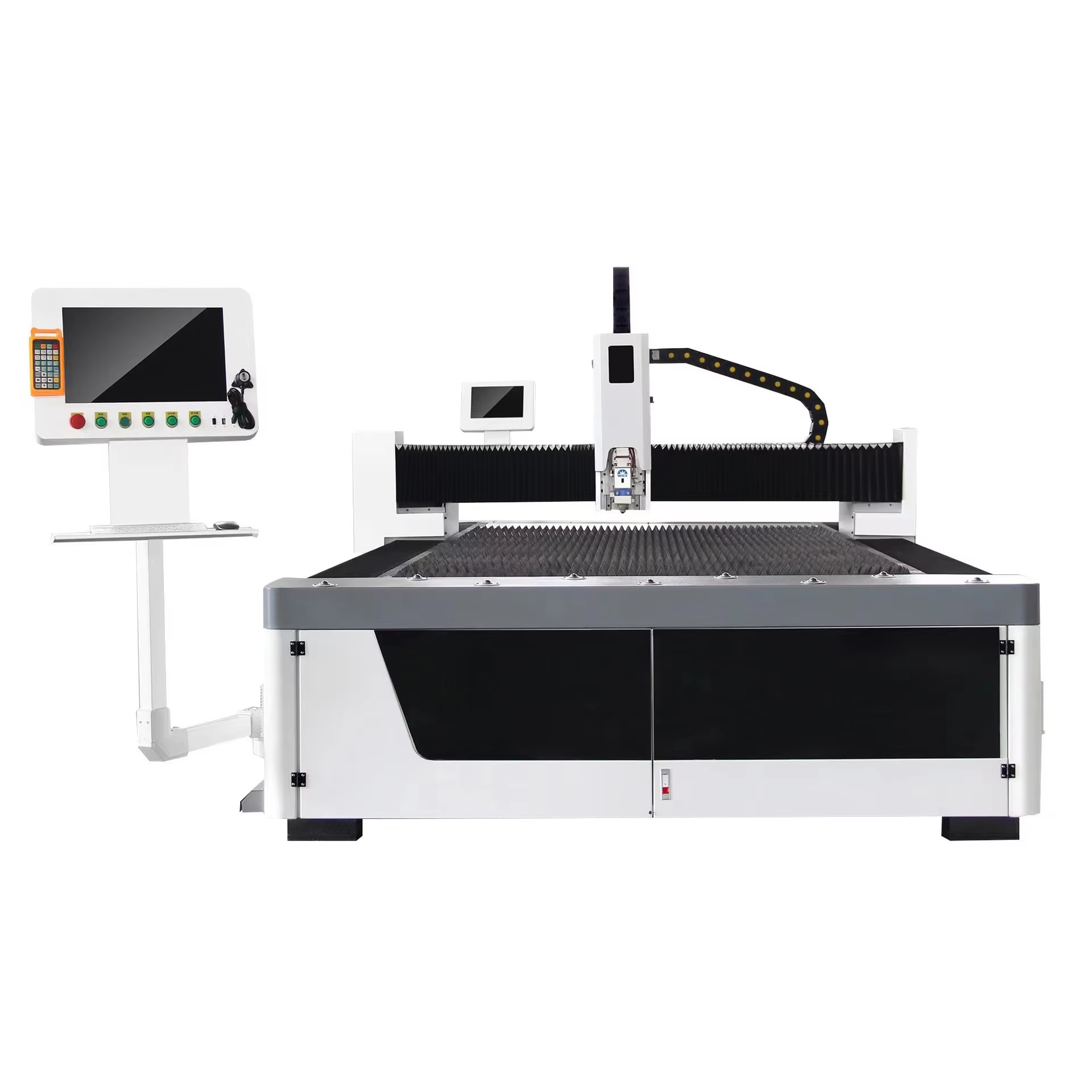
Understanding Laser Cutting Machine Types and Core Technologies
Fiber laser cutting systems: High efficiency for metal processing
Fiber laser cutting systems bring real efficiency gains to metal fabrication shops. They work by using specially treated optical fibers to create those powerful beams needed for cutting conductive metals. When compared to traditional CO2 lasers, these fiber systems can slice through steel, aluminum, and copper alloys about 30 percent quicker. Plus, the edges come out much cleaner with smaller heat affected areas. The solid state construction means fewer parts to worry about compared to those old gas based systems. That makes them pretty good for production facilities running non stop where keeping machines running and maximizing output matters most.
CO2 laser cutters: Optimal performance with non-metals and mixed materials
CO2 laser cutters work with gas mixtures to create beams at around 10.6 microns wavelength, something that works really well when cutting through non-metals and composite stuff. These machines can slice through wood, acrylic sheets, various plastics, fabrics, even painted surfaces pretty cleanly without leaving behind melted edges or burnt marks on sensitive materials. The way these lasers interact with different substances means they're especially good for working with organic materials and those with coatings applied. Still, getting good results requires attention to details like proper ventilation setup and choosing the right assist gases depending on what exactly needs cutting, since conditions vary quite a bit between different projects and materials.
Plasma-laser hybrid systems: Enhanced flexibility for diverse industrial applications
Plasma laser hybrid systems bring together thermal cutting and laser technology all in one setup, making them capable of working on everything from thick metal sections down to delicate details without needing separate machines. The system can move back and forth between plasma cutting thick plates that are as big as 150mm and switching to laser mode when precision matters most for those tiny components. This kind of flexibility is gold for workshops and factories that deal with different types of jobs day after day. When companies merge these two cutting methods into a single unit, it cuts down on what they spend on equipment, frees up valuable workshop space, and makes their whole operation run smoother. Perfect for places that need to handle structural steel work alongside smaller, more intricate parts all in the same facility.
Comparing fiber, CO2, and hybrid Laser Cutting Machines for factory use
Picking the correct laser system really comes down to three main factors: what kind of materials are being worked on, how much needs to get done, and what matters most operationally. Fiber lasers have taken over most metal fabrication shops because they convert electricity to light at around 30% efficiency, way better than the 10-15% we see from CO2 systems. Plus, these fiber setups need less maintenance overall. On the flip side, many manufacturers still reach for CO2 lasers when dealing with plastics, composites, or mixed materials despite needing regular mirror adjustments and refilling those expensive gas tanks. Hybrid laser systems offer versatility across different materials but bring along extra headaches with maintenance requirements. According to recent industry reports from IMTS in 2023, fiber lasers now control about 72% of the metal fabrication market space, whereas CO2 technology continues to find its place in specific non-metal applications where other options just don't cut it.
Evaluating Key Components That Impact Performance and Precision
The performance and precision of a laser cutting machine rely on three integrated subsystems. Each must be optimized to ensure reliable operation in automated manufacturing settings.
Laser source: Matching power output to material thickness requirements
Getting the right laser power level makes all the difference when it comes to how well things get cut. Systems with higher wattage, somewhere between 3 to 6 kW, handle thick metal sheets without breaking a sweat. Meanwhile, those smaller 1 to 3 kW units work wonders for delicate jobs where thin materials need clean, precise cuts without wasting too much energy. Take stainless steel as an example. A good 4 kW fiber laser will slice through about 20 mm thickness pretty effortlessly. But try pushing that same material past 12 mm with just a 2 kW setup? Not so much. Matching the power to what needs cutting isn't just about getting the job done faster either. It actually saves money in the long run by reducing unnecessary energy consumption throughout the whole manufacturing process.
CNC control systems: Ensuring precision, accuracy, and tight tolerance management
At the heart of modern manufacturing sits the CNC system, often referred to as the machine's brain. What it does is pretty amazing actually - takes those digital blueprints and turns them into real world components down to the micron. The better systems out there incorporate real time adjustments for things like where the axes move, how intense the lasers get, and even when gases need assistance. All these tweaks happen on the fly so the final product stays within that tight tolerance range of plus or minus 0.1 mm. Why does all this matter? Well, consistent parts mean less time spent fixing mistakes after the fact. And when factories run for long periods without stopping, they can count on getting the same quality piece after piece without breaking a sweat.
Assist gas system: How gas choice affects cut quality and speed
Choosing the right assist gas makes all the difference when it comes to how fast things cut, what the edges look like after, and what kind of money gets spent running operations. Nitrogen is great because it gives those clean, oxide free edges needed for stainless steel and aluminum parts that will be welded or painted later on. Oxygen definitely speeds things up for cutting carbon steel thanks to those exothermic reactions happening during the process, although there's going to be some oxidation left behind on the surface. For jobs where perfection isn't absolutely necessary, compressed air works just fine as a cheaper alternative, even if the edges aren't quite as nice looking. Get the gas matching right and shops can expect their cutting speeds to jump around 30 percent while saving roughly a quarter on consumables over time according to industry experience.
Integrating Automation and CNC Compatibility for Seamless Factory Operations
Automation integration in Laser Cutting Machines for continuous, unattended production
Automation enables round-the-clock production by integrating robotic loading/unloading, conveyor systems, and pallet changers with CNC-controlled laser cutters. These systems maintain workflow continuity during off-hours, reducing labor costs and increasing throughput by up to 300% compared to manual operations—an advantage especially valuable in high-volume manufacturing environments requiring consistent output.
Software compatibility and user-friendliness in industrial environments
Getting automation to work well depends heavily on how well different software components fit together and whether the interface makes sense to users. Most modern laser systems can handle common CAD/CAM files such as DXF, DWG, and STEP formats, which means going from drawing board to actual production is much smoother. When operators have access to easy-to-use platforms, they spend less time learning the ropes and get complex designs programmed without so much hassle. Companies that invest in compatible software solutions typically see around half the number of programming mistakes compared to others still stuck with outdated or incompatible tools. Setup times also drop dramatically for these manufacturers, sometimes cutting down by two thirds what used to take hours now takes just minutes.
Synchronizing CNC systems with factory automation protocols (e.g., Industry 4.0, IoT)
Modern laser cutting equipment now works with Industry 4.0 protocols like OPC UA and MTConnect, which means they can talk to MES and ERP systems in real time. The ability to connect these machines brings some serious advantages for manufacturers. Predictive maintenance becomes possible when sensors detect issues before they become problems. Technicians can diagnose problems remotely instead of driving out to the factory floor every time something goes wrong. And managers get a bird's eye view of what's happening throughout the entire production process. When machines are part of this digital network, smart factories gain complete visibility from raw materials to finished products. Coordination between departments improves dramatically because everyone has access to the same information at the same time.
Balancing advanced automation with operator skill availability and training needs
Automation definitely increases productivity, but getting it right really hinges on whether workers are ready for the change. A lot of factory owners struggle when they can't find people who know their way around both traditional machinery and modern digital systems. The companies that do well usually invest time and money into proper training programs covering everything from basic machine operation to navigating complex software interfaces and fixing problems as they come up. These kinds of investments actually pay off pretty quickly too. According to industry reports, businesses running formal training sessions see their return on investment happen about 70% faster than those without such programs. Plus there are roughly half as many production hiccups when transitioning to fully automated processes.
Assessing Material Compatibility and Production Efficiency
Matching machine type to your primary materials: Metals vs non-metals
The primary material being processed plays a major role in choosing the right cutting equipment. Fiber lasers tend to work better with reflective metals such as aluminum, stainless steel, and copper, producing quicker cuts particularly when dealing with thinner materials below 10mm thickness. On the other hand, CO2 lasers generally perform better with non-metallic substances like plastic, wood, acrylic, and fabric, creating cleaner cuts without melting along the edges. Shops that regularly switch between metal and non-metal projects might look into hybrid laser systems. These setups provide operational flexibility though they often fall short compared to specialized machines designed specifically for one material type. Many shops find themselves weighing convenience against cutting speed when making this decision.
Cutting speed and throughput optimization by material type
Speed isn't everything when it comes to cutting efficiency. Factors like how long it takes to pierce materials, how fast the machine accelerates, and what happens during material handling all play into how much gets done in a day. Fiber lasers are great for slicing through metals quickly, especially those thin sheets we see so often in manufacturing. Meanwhile, CO2 systems tend to hold their own better with thicker non-metallic materials where controlling heat becomes really important. When manufacturers match their machines to the right materials, they often see a boost in overall equipment effectiveness (OEE). Some plants report improvements around 40% compared to when they had the wrong tools for the job. Makes sense when you think about it.
Maintaining precision and consistency across varying material thicknesses
Getting consistent quality results when working with different material thicknesses really depends on having good adaptive control systems in place. The latest generation of equipment incorporates real time sensing technology along with adjustable optical settings and those fancy dynamic nozzles that can tweak both the focal point and gas pressure as needed. What this does is create a much more even cut width throughout the piece while keeping any tapering effects to a minimum, especially noticeable when switching from cutting thin sheets of metal to thicker plates. For the best machines out there, they actually hold onto that positional accuracy pretty tightly too, staying within about plus or minus 0.05 millimeters over the entire range of thicknesses they're designed to handle.
Selecting the Right Work Area Size and Planning for Future Scalability
Work area size considerations for high-volume and large-part manufacturing
The size of the work envelope has a big impact on how much can get done in production and just how efficient things run. When machines have bigger beds, they can handle several smaller parts at once instead of constantly loading and unloading them one by one. This cuts down on wasted time and gets more parts made in the same amount of time. With really large components, having enough space matters too. Machines that aren't big enough force workers to move pieces around during processing, which messes with precision and often means extra steps later on. Smart shops always look at what their biggest parts are now and think about what might come next. We've seen plenty of businesses hit roadblocks when they undersize equipment because growth plans didn't match reality.
Future-proofing your Laser Cutting Machine investment as production evolves
These days, scalability ranks high on the list for companies making big equipment purchases. The latest numbers from IMTS 2023 show around two thirds of manufacturers put scalability at the forefront when they're shopping for laser systems. Makes sense really, since most factories find themselves needing more capacity down the road anyway. Look for machines built with modular designs that can handle power boosts later on, allow for more automation options, and come with software that keeps getting better over time. Getting stuff ready for Industry 4.0 isn't just about staying ahead of the curve either. Machines that play nice with smart manufacturing tech tend to last longer in the shop floor, which means the money spent today doesn't disappear so quickly when business requirements change tomorrow.
FAQ
What are the main types of laser cutting machines discussed in the article?
The main types of laser cutting machines discussed include fiber laser cutting systems, CO2 laser cutters, and plasma-laser hybrid systems.
How do fiber laser systems differ from CO2 lasers?
Fiber laser systems are more efficient, particularly for metal processing, converting electricity to light at around 30% efficiency and offering quicker cutting times. CO2 lasers are better suited for non-metals and mixed materials and require regular maintenance.
What materials are best suited for hybrid laser systems?
Hybrid laser systems provide operational flexibility, making them suitable for shops that deal with both metals and non-metals, although they may not achieve the same efficiency as specialized machines designed for one material type.
What factors affect the choice of assist gas in laser cutting?
The choice of assist gas affects cut speed, edge quality, and operational cost. Nitrogen creates clean edges for welding or painting, oxygen speeds up cutting with oxidation left behind, and compressed air is a cheaper alternative with a downside to edge quality.
How does automation improve laser cutting efficiency?
Automation reduces labor costs, increases throughput, and maintains consistent output through components like robotic loading/unloading and conveyor systems, enabling continuous production especially valuable in high-volume manufacturing.
Table of Contents
- Understanding Laser Cutting Machine Types and Core Technologies
- Evaluating Key Components That Impact Performance and Precision
-
Integrating Automation and CNC Compatibility for Seamless Factory Operations
- Automation integration in Laser Cutting Machines for continuous, unattended production
- Software compatibility and user-friendliness in industrial environments
- Synchronizing CNC systems with factory automation protocols (e.g., Industry 4.0, IoT)
- Balancing advanced automation with operator skill availability and training needs
- Assessing Material Compatibility and Production Efficiency
- Selecting the Right Work Area Size and Planning for Future Scalability
-
FAQ
- What are the main types of laser cutting machines discussed in the article?
- How do fiber laser systems differ from CO2 lasers?
- What materials are best suited for hybrid laser systems?
- What factors affect the choice of assist gas in laser cutting?
- How does automation improve laser cutting efficiency?