
 EN
EN
Identifying End-of-Line Packaging Vulnerabilities and Safety Risks
Manual Stacking Inefficiencies and Palletizing Robot Dynamics
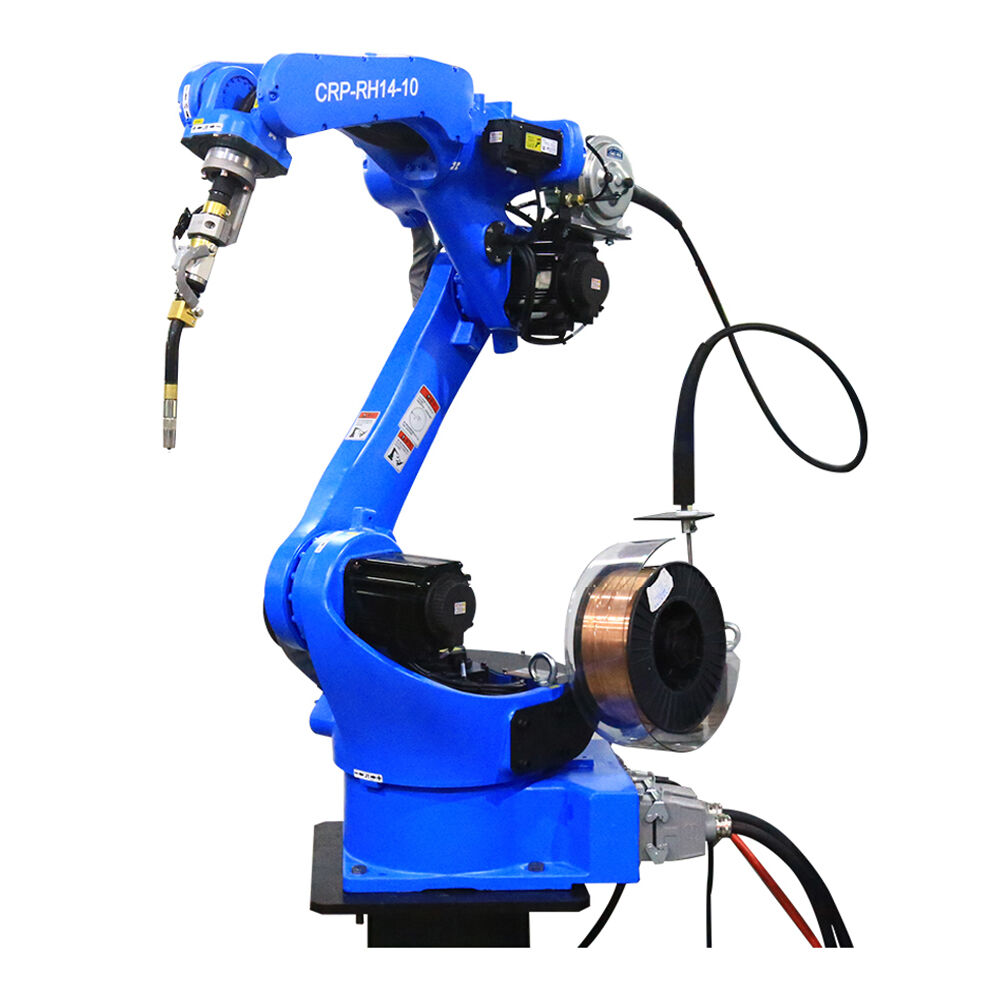
Managing logistics throughput in high-output manufacturing plants or fast-moving consumer goods facilities requires careful optimization of end-of-line secondary packaging operations. When warehouse directors rely on manual labor for stacking heavy corrugated boxes or porous multi-wall bags, distribution workflows often experience significant logistical delays. Integrating an advanced industrial palletizing robot addresses these critical bottlenecks by standardizing unit-load configurations, maintaining precise layer patterns, and operating continuously under heavy manufacturing schedules. Relying on manual material handling instead of automated kinetic machinery introduces major hidden costs, including consistent product damage due to uneven weight distribution, low floor-space utilization, and frequent workplace repetitive strain injuries that lead to production line stoppages.
Analyzing Operational Downtime and Structural Load Failures
A major vulnerability in secondary packaging execution involves mismanaging interlocking layer stability and failing to account for case-to-pallet structural integrity variations. Manual stacking methods often struggle with uniform outer alignment, leading to uncentered center-of-gravity profiles that lean during transport. This structural misalignment causes pallet loads to collapse inside distribution vehicles, generating significant retail rejection penalties, high warehouse cleanup waste, and compromised supply chain efficiency. Utilizing automated robotic arms solves these issues by combining precise digital servo motors with geometric pattern configuration software. This system places each product with exact repeatability, preventing overlapping edges and ensuring that corrugated packaging materials absorb vertical compression forces correctly.
High-Volume Beverage Distribution: Real-World Automation Upgrades
Practical experience within industrial packaging sectors highlights the clear financial advantages of moving away from manual stacking setups toward multi-axis robotic execution. A prominent mid-sized beverage bottling plant supplying regional retail centers audited its secondary packaging lines after experiencing high product breakage rates and low layer consistency on its automated wrapping lines. The facility used manual labor teams to stack heavy cartons of glass bottles, resulting in an eight percent load deviation rate, frequent product drops, and high employee turnover due to the intense physical nature of the work. The engineering group resolved this processing bottleneck by integrating a custom multi-axis palletizing robot equipped with a high-flow vacuum gripper head and automatic pallet feeding conveyors. Within ninety days of full integration, the packaging facility dropped structural load failures to zero while lowering overall operational cycle times by thirty-five percent. The automated system maintained precise geometric alignments across every layer, increasing daily outbound shipping capacity by forty percent.
Technical Fundamentals of Robotic Palletizing Architecture
The Physics of Multi-Axis Kinematics and End-of-Arm Tooling Logic
Achieving stable unit loads and maintaining high movement speeds requires a comprehensive understanding of multi-joint kinematics, rotational torque limits, and specialized end-of-arm tooling (EOAT) design. Industrial robotic systems rely on independent multi-axis brushless servo motor networks synchronized through digital motion controllers to compute acceleration curves in real time. The mechanical arm structures handle diverse packaging profiles by utilizing tailored grippers, such as high-flow vacuum pads for porous cardboard, mechanical side-clamps for heavy plastic crates, or bottom-support forks for heavy woven bags. Choosing the right tooling design ensures that the gripping mechanism applies even holding pressure across product surface areas, preventing material crushing or unexpected drops during high-speed rotational movements.
Sensor-Driven Collision Avoidance and Payload Safety Overload Mechanisms
To protect human operators and prevent expensive mechanical damage during continuous multi-shift production, robotic cells must integrate advanced electronic safety systems and torque-monitoring sensors. High-speed industrial machinery utilizes continuous closed-loop current sensing inside joint actuators to monitor applied force thresholds constantly. When an unexpected physical obstruction or a weight mismatch occurs, the internal controller identifies the deviation within milliseconds and triggers an immediate emergency stop sequence. This protective process prevents serious mechanical damage to the main arm components and ensures the work area remains safe for nearby personnel. Advanced integration setups combine these internal safeguards with dual-channel safety circuits, laser scanners, and interlocked guarding gates to create an isolated, secure production environment.
Regulatory Safety Standards and Global Engineering Benchmarks
Procuring automated material handling equipment for industrial manufacturing applications requires full compliance with international safety codes, electrical layout metrics, and robotic build guidelines. Design groups evaluating a high-output palletizing robot must verify full alignment with respected regulatory frameworks, including ISO 10218 safety requirements for industrial robots, ANSI/RIA R15.06 standards for industrial robot systems, and OSHA workplace safety regulations regarding automated machinery. These international benchmarks define strict clear rules for safety distances, emergency stop response times, and protective enclosure designs. Designing automation systems to match these rigorous engineering criteria ensures that heavy equipment can manage high-payload operations safely in harsh factory environments without component failures, passing third-party safety audits easily.
Strategic Deployment, Procurement Sourcing, and Lifelong Maintenance
Critical Sourcing Metrics for Factory Automation Procurement Specialists
Selecting a dependable automation manufacturing partner requires a careful evaluation of machining precision, control software architecture, and modular expansion capabilities rather than focusing on low-tier suppliers. Sourcing teams must confirm that an equipment manufacturer integrates advanced color touchscreen human-machine interfaces (HMI) that allow line operators to select pre-programmed layer patterns or configure new package dimensions without complex coding. Choosing systems built with open communication protocols, such as EtherNet/IP or Profinet, allows engineering teams to integrate the equipment seamlessly with existing warehouse management systems and upstream sealing machinery. Sourcing managers should also evaluate the structural rigidity of the main base frame, prioritizing heavy-duty unibody cast iron or thick structural steel fabrications over bolted sheet metal alternatives to absorb operational vibration stresses during extended shifts.
Calibration Checklists and Preventative Maintenance Protocols
The ongoing precision and structural longevity of automated robotic assets depend on structured preventative maintenance schedules and regular sensor verification routines. Over months of high-velocity operation, high-vibration environments can loosen electrical connections and cause mechanical components to drift from calibrated zero positions, which can lower placement accuracy if left uncorrected. Production managers should implement standardized daily cleaning schedules to clear dust from optical sensors and inspect vacuum gripper pads for wear. Standardizing on weekly and monthly validation procedures—such as testing mechanical brake functionality, checking gearbox oil levels, and verifying emergency stop responsiveness—prevents unexpected production downtime, extends the service life of the machinery, and ensures every pallet arrives at the distribution dock in perfect structural condition.
Choosing a Reliable Storage Solution Partner
Building a highly resilient and automated product packaging line requires a dependable engineering partner capable of delivering consistent material quality and steady global supply chain support. Sourcing industrial material handling systems from producers with deep technical expertise and advanced fabrication facilities ensures that every deployed asset performs reliably under heavy shift use and strict sanitation routines. This is where aligning with an established global manufacturer like RAYman provides exceptional long-term value. With sophisticated production infrastructure and a strong focus on precise quality management, RAYman consistently provides premium palletizing robot selections designed to meet rigid international safety and commercial performance standards. Partnering with a globally integrated manufacturer gives packaging enterprises reliable access to a robust equipment catalog, deep customization expertise, and consistent construction quality that keeps factory expansions moving smoothly year after year.
Frequently Asked Questions
What main factors determine the selection of an end-of-arm tooling design for a palletizing robot?
The choice depends on product material, weight, surface porosity, and shape. Vacuum grippers work best for standard sealed cardboard boxes, mechanical side-clamps suit plastic crates or fragile items, and bag grippers with bottom-support forks are necessary for woven bags to prevent tearing.
How does a robotic palletizer maintain layout precision when handling varying package weights?
The system utilizes high-resolution digital encoders and multi-axis servo motors that continuously adjust torque and acceleration curves. The control software monitors payload feedback dynamically, ensuring consistent movement paths and exact placement placement regardless of slight product weight variations.
Why is full compliance with ISO 10218 standards necessary for industrial robotic installations?
ISO 10218 defines critical safety requirements for industrial robotic environments, specifying guidelines for collision detection, emergency stop response times, and safety interlocks. Adhering to this standard ensures workplace safety, protects personnel, and ensures the installation passes strict regulatory audits.
What steps prevent automated robotic systems from causing box crushing during layer placement?
Robotic software uses programmable height settings and digital force-limiting sensors within the gripper head to manage product contact. The arm lowers each box to an exact coordinate and checks surface resistance, releasing the product only when it reaches the correct layer height without applying excessive vertical pressure.
How do multi-axis robotic systems integrate with existing upstream case sealing machinery?
Integration relies on open industrial communication protocols like EtherNet/IP, Modbus TCP, or Profinet. These data links allow the robotic controller to synchronize speed with upstream conveyors, track oncoming product quantities, and manage automatic pallet feeding systems seamlessly.
Can a single robotic cell handle multiple production lines and pallet types simultaneously?
Yes, multi-line configurations utilize extended linear tracks or wide-reach configurations alongside specialized software to manage different products at the same time. The controller tracks product types using barcode scanners, sorting and stacking them onto separate designated pallets within the same cell workspace.
What maintenance routines protect robotic gearboxes from premature mechanical wear?
Operators should check oil levels and inspect seals monthly for any signs of fluid leaks. Conducting regular grease analysis and flushing old lubricants according to manufacturer runtime intervals ensures smooth tooth engagement within the joints, minimizing friction wear under high payloads.
Which structural features should procurement specialists prioritize when sourcing robotic machinery?
Procurement teams should prioritize heavy-duty unibody cast iron or structural steel frames that offer high rigid stability against rotational torque forces. Choosing open-architecture control software and premium servo drives also ensures long-term part availability and simple integration.
Table of Contents
- Identifying End-of-Line Packaging Vulnerabilities and Safety Risks
- Technical Fundamentals of Robotic Palletizing Architecture
- Strategic Deployment, Procurement Sourcing, and Lifelong Maintenance
- Choosing a Reliable Storage Solution Partner
-
Frequently Asked Questions
- What main factors determine the selection of an end-of-arm tooling design for a palletizing robot?
- How does a robotic palletizer maintain layout precision when handling varying package weights?
- Why is full compliance with ISO 10218 standards necessary for industrial robotic installations?
- What steps prevent automated robotic systems from causing box crushing during layer placement?
- How do multi-axis robotic systems integrate with existing upstream case sealing machinery?
- Can a single robotic cell handle multiple production lines and pallet types simultaneously?
- What maintenance routines protect robotic gearboxes from premature mechanical wear?
- Which structural features should procurement specialists prioritize when sourcing robotic machinery?