
 EN
EN
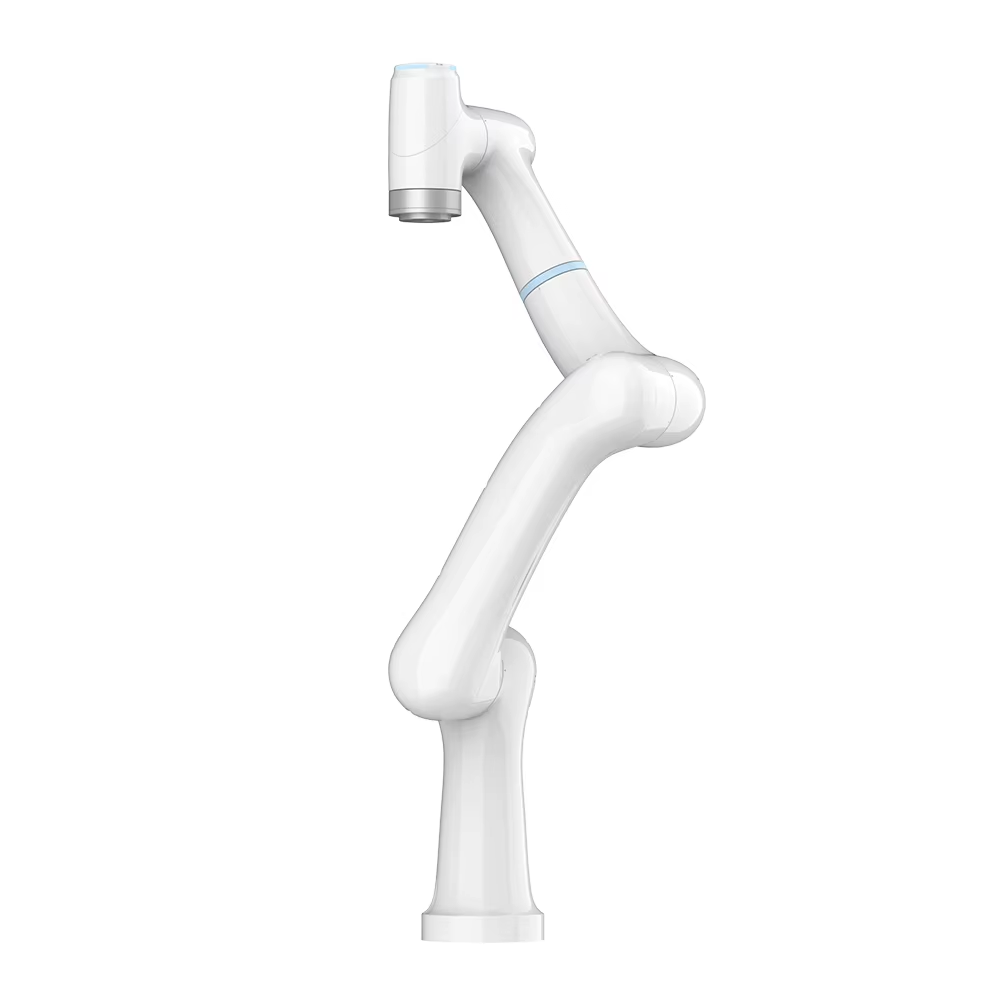
Защо кобот роботите са по-безопасни по дизайн в сравнение с традиционните промишлени роботи
Вродени функции за безопасност: стави с ограничена сила, закръглени ръбове и подчинено управление на движението
Какво прави коботите толкова различни от обикновените промишлени роботи? Е, те се произвеждат с вградена безопасност още от самото начало. Традиционните машини изискват всевъзможни допълнителни предпазни мерки, като метални клетки или онези модерни светлинни завеси около тях. Коботите разполагат със специални стави, които спират мигновено движението си при неочакван контакт с някакъв обект. Това предотвратява инциденти, при които пръсти или ръце биха могли да бъдат смачкани, ако някой случайно се удари в машината. Също така начинът им на движение е доста умен. Тези роботи адаптират нивата си на мощност в реално време въз основа на информацията, която получават от сензорите си. Погледнете и дизайна им — всичко е закръглено, за да няма места, където пръстите могат да се хванат или притиснат. Всички тези малки детайли работят заедно, за да поддържат силите на удар далеч под нивата, при което може да настъпи истинска травма за човек, според безопасните стандарти, за които всички говорят. А най-доброто? Работниците могат да взаимодействат директно с тези машини, без да е необходимо да се поставят бариери навсякъде, и все пак да поддържат високи показатели на производителност по цялата производствена площ.
Реално въздействие: 73% намаляване на експозицията на вибрации, предавани чрез ръка и ръка-рамо, на автомобилните сглобителни линии
Сътрудническите роботи (коботи) осигуряват реални предимства за здравето на работниците по отношение на ергономиката. Фабриките, които вече са започнали да ги използват, отбелязват значително намаляване на производствените наранявания. Едно проучване, проведено в автомобилни заводи, установило, че техниците имали с 73% по-малко случаи на така наречената синдром на вибрации, предавани чрез ръка и ръка-рамо, след работа с коботи при повтарящи се задачи като монтиране на компоненти. Тези машини по същество поемат най-напрегнатите части от работата, свързани с операции като ротационно шлифоване или затягане на болтове, което помага да се предотврати постепенното увреждане, водещо до хронични наранявания с течение на времето. Експерти по безопасност проучили пет германски производствени обекта и забелязали нещо интересно: опорно-двигателните проблеми намалели с около 41%, след като били въведени коботите. Това показва, че сътрудническите роботи правят повече от това да предотвратяват само внезапни инциденти — те създават по-безопасни работни места и в дългосрочен план.
Ключови технологии за безопасност, вградени в съвременните колаборативни роботи (коботи)
Динамично намаляване на риска чрез системи за визуализация и детекция на близост
Съвременните сътруднически роботи се доставят с напреднали 3D системи за визуализация, както и с инфрачервени сензори за близост, които им помагат да забелязват потенциални сблъсъци още преди те да се случат. Тези технологични компоненти създават подробни карти на заобикалящата среда в реално време, като едновременно отчитат местоположението на хората в предварително определените зони за безопасност. Ако някой влезе в една от тези контролирани зони, роботът реагира незабавно, като намалява скоростта си, променя посоката си или спира напълно, преди да се причини някаква травма. Вземете за пример детекцията на близост – тя може да поддържа работниците на разстояние поне 10 сантиметра от движещите се части дори при извършване на деликатни сглобявания. Това, което прави цялата тази система толкова ефективна, е начинът, по който премества фокуса на безопасната работа от реагиране след произшествия към предотвратяване на такива инциденти още от самото начало. Това е особено важно в оживени производствени среди, където хората и машините споделят едно и също работно пространство.
Контурни връзки с обратна връзка от сензори в реално време за моментална реакция при спиране и възстановяване
Когато мрежовите датчици за въртящ момент и сила засекат нещо нередно, те създават тези изключително бързи обратни връзки за безопасност, от които имаме нужда в съвременните производствени среди. Ако възникне неочаквано удясване или сблъсък, системата проверява разликите в налягането спрямо стандартите на ISO за механиката на човешкото тяло, като например ограничението от 150 нютона за внезапните контактни сили. След това тя прекъсва захранването на двигателите за около една десета от секундата – което всъщност е по-бързо от естествената реакция на повечето хора. Веднага след това сътрудническият робот преминава в състояние на защитно спиране. Оттам той може да се рестартира автоматично, когато причината за проблема се отстрани, или просто да остане в покой, докато някой ръчно натисне бутона за нулиране. Този подход е значително по-добър от този при по-старите роботи, които изискваха пълно изключване при всяко произшествие. Фабриките, използващи тези сензорни системи, са регистрирали около 40 % по-малко аварийни спирания в сравнение с тези, които не ги използват. Това е напълно логично, тъй като по-безопасното оборудване означава по-малко наранявания на работниците и производството продължава без постоянни спиране.
Осигуряване на безопасна интеграция: оценка на рисковете и съответствие за съвместни роботи (коботи)
Стандарт ISO/TS 15066 и методология за оценка на рисковете, базирана на задачи
Безопасната интеграция на коботи зависи от стриктното прилагане на ISO/TS 15066 , международния стандарт, който определя изискванията за ограничаване на мощността и силата в съвместната роботика. Той предписва методология за оценка на рисковете, базирана на задачи, при която инженерите системно:
- Идентифицират опасности , като например точки на притискане или непредвидени движения
- Оценяват тежестта и вероятността на потенциални наранявания, като използват биомеханични данни
- Прилагат целенасочени мерки за намаляване на рисковете , включително ограничения на скоростта, мониторинг на силата или защитни спирания
Коботите не са като обикновените промишлени роботи, тъй като изискват постоянен контрол върху начина, по който работят заедно с хората. Това означава наблюдение на нива на сила в реално време и картографиране на движението на всички участници около тях. Всичко това трябва да отговаря на строгите стандарти, установени в ISO/TS 15066, относно граничните стойности за безопасен контакт. Предприятията, които спазват тези правила, регистрират около 80 % по-малко злополуки, свързани със сблъсквания, и вече не е необходимо да инсталират големи постоянни защитни стени между хората и машините. Редовните проверки гарантират безпроблемна работа дори при промяна на задачите или при внезапно нарастване на производственото напрежение.
Предотвратяване на човешки наранявания: как коботите намаляват мускулно-скелетните и повтарящите се натоварвания
Ергономично разделяне на товара при високочестотни задачи като опаковане и палетиране
Съвместните роботи помагат да се намали натоварването върху мускулите и ставите, като поемат най-трудните части от повтарящите се работни задачи. Вземете например опаковъчните операции, където тези машини извършват цялото постоянно вдигане, запечатване и преместване, които иначе биха оставили работниците с болки в раменете, гърба и китките след работната им смяна. При натрупването на стоки върху палети съвместните роботи поемат тежкото вдигане, така че хората могат да се съсредоточат върху проверката дали всичко изглежда правилно и дали всичко отговаря на стандартите за качество. Такова разпределение на работната нагрузка решава няколко основни причини за производствени наранявания, за които експертите говорят от години: силови движения, неудобни телесни позиции и едни и същи движения, повтаряни отново и отново. Роботите всъщност поемат от 60 % до понякога дори 100 % от най-натоварващите движения, което означава по-малко износване на ставите и мускулите на служителите с течение на времето. Компаниите, които прилагат този подход на съвместна работа между роботи и хора, обикновено регистрират с около 30 % до 50 % по-малко съобщения за наранявания всяка година, което поддържа персонала им по-здрав и по-продуктивен, без да се забавя темпото на производството.
Често задавани въпроси:
В: Какви са разликите между коботите и традиционните промишлени роботи по отношение на безопасността?
Коботите са оснащени с вградени функции за безопасност, като например стави с ограничено усилие, закръглени ръбове и податлива система за управление на движението, което им позволява да спират незабавно при неочакван контакт. Тези конструкции минимизират риска от нараняване, за разлика от традиционните промишлени роботи, които изискват външни мерки за безопасност, например бариери.
В: Какви са предимствата от използването на коботи във връзка с ергономиката на работниците?
Използването на коботи е показало намаляване на случаите на синдром на вибрация на ръката и ръката и на мускулно-скелетни проблеми чрез поемане на повтарящи се и високонапрегнати задачи, което намалява ежедневното физическо напрежение върху работниците.
В: Как коботите осигуряват реалновременно намаляване на рисковете?
Коботите използват напреднали системи за визия и детекция на близост, за да следят безопасността на работното място, което им позволява незабавно да коригират своето движение, за да избегнат инциденти. Обратните връзки от сензорите в реално време гарантират бързи реакции за спиране и възстановяване при неочаквани събития.
В: Какви стандарти регулират безопасното интегриране на коботи?
Международният стандарт ISO/TS 15066 определя критериите за изискванията към ограничаването на мощността и силата в съвместната роботика. Безопасното интегриране включва непрекъснат оценка на рисковете, за да се изпълняват тези стандарти.
В: По какъв начин коботите допринасят за намаляване на мускулно-скелетните и повтарящите се натоварвания?
Коботите облекчават стресиращите елементи на повтарящите се задачи, като например вдигането и преместването на тежки предмети, което намалява мускулното напрежение и нараняванията на ставите, често свързани с тези дейности.
Съдържание
- Защо кобот роботите са по-безопасни по дизайн в сравнение с традиционните промишлени роботи
- Ключови технологии за безопасност, вградени в съвременните колаборативни роботи (коботи)
- Осигуряване на безопасна интеграция: оценка на рисковете и съответствие за съвместни роботи (коботи)
- Предотвратяване на човешки наранявания: как коботите намаляват мускулно-скелетните и повтарящите се натоварвания