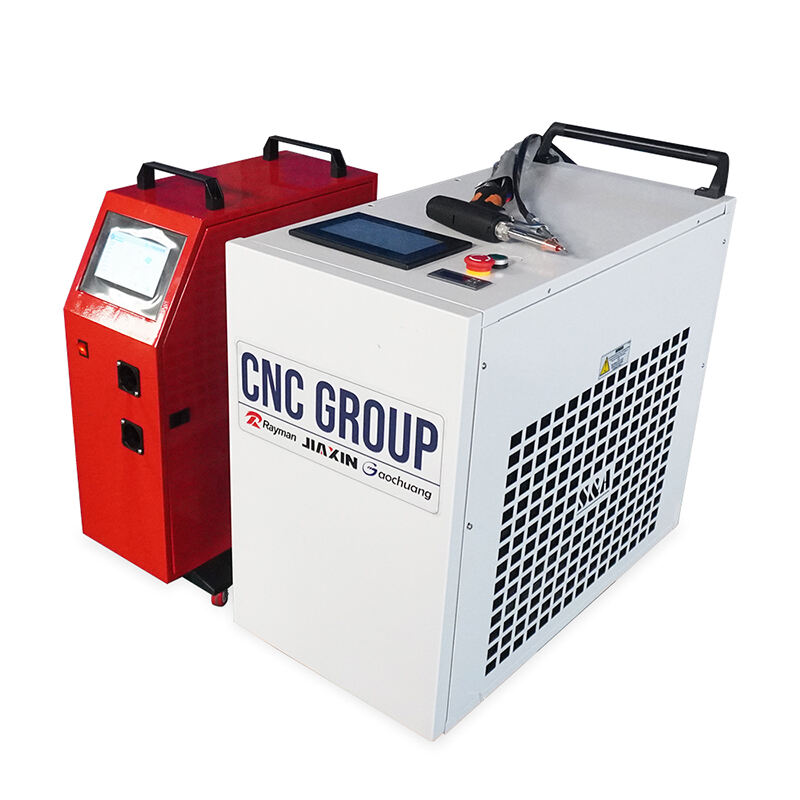
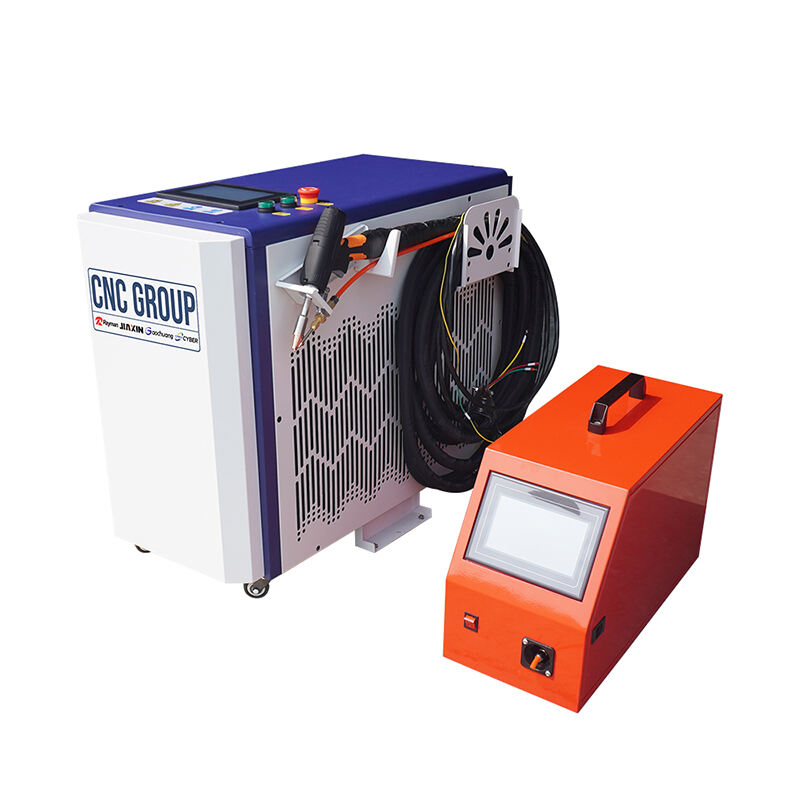
Continuous Wave Laser Welding: Precision, Speed & ROI

All Categories

Rayman CNC: Pioneering Continuous Wave Laser Welding Solutions for Global Manufacturing

Rayman CNC is a trusted international supplier specializing in CNC plasma cutting, fiber laser cutting/welding machines, rebar processing systems, and industrial robots. Driven by innovation, we deliver high-performance factory automation solutions tailored to industries like automotive, aerospace, and construction. Beyond cutting-edge hardware, our consultant-style sales team provides expert technical support, while our fast delivery ensures minimal workflow disruption. Our continuous wave laser welding systems exemplify this commitment, offering precision, speed, and reliability for complex manufacturing challenges.
Get A Quote


Why Rayman CNC’s Continuous Wave Laser Welding Leads the Industry

Unmatched Precision for Thin-to-Medium Materials

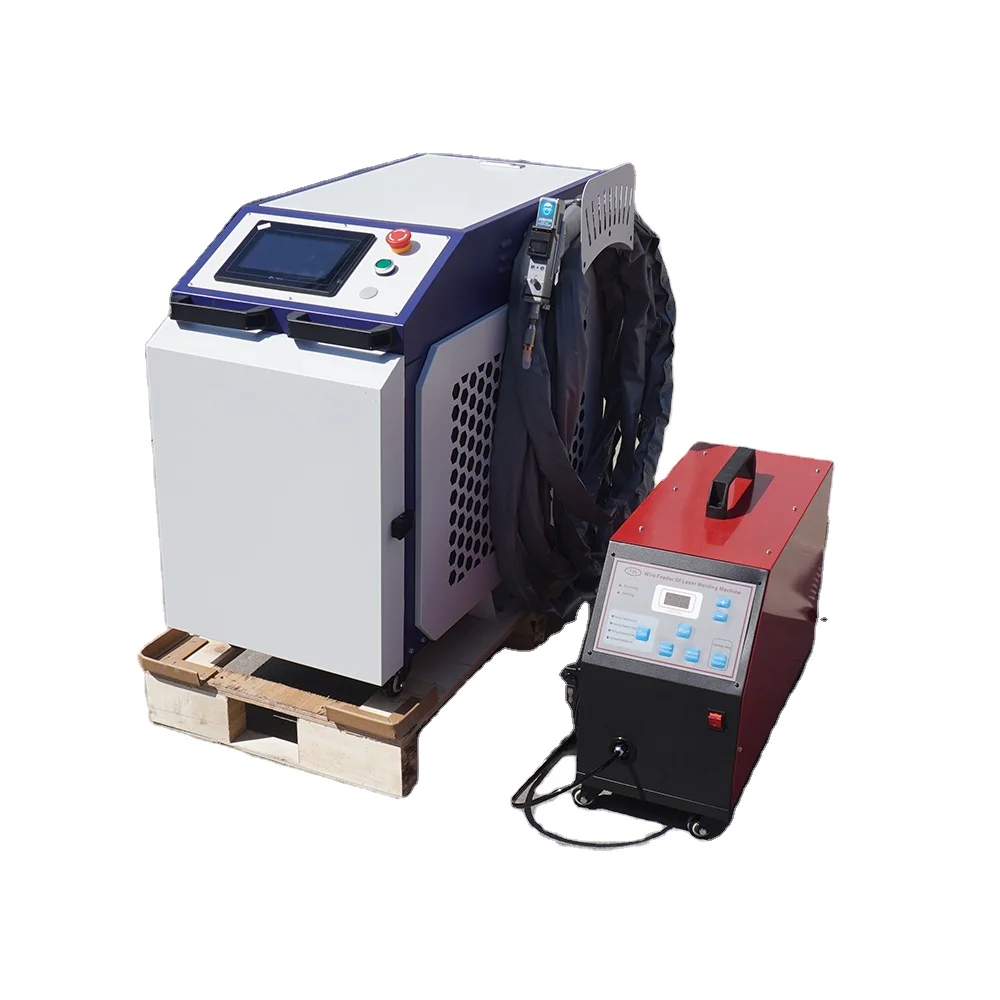
Our continuous wave (CW) laser welding systems utilize high-power fiber lasers with adjustable beam quality, enabling pinpoint accuracy (±0.05mm) on materials ranging from 0.1mm stainless steel to 10mm aluminum. Unlike pulsed lasers, CW technology maintains consistent energy output, eliminating surface irregularities and reducing post-weld grinding by up to 70%. A medical device manufacturer reported a 50% increase in production efficiency after switching to our CW systems for catheter assembly, citing cleaner welds and fewer rejects.

High-Speed Welding with Minimal Heat Input

Rayman CNC’s CW lasers operate at speeds up to 200mm/s while keeping thermal distortion below 0.1mm, critical for delicate components like automotive sensors or electronics housings. The modular design allows seamless integration with robotic arms, enabling 3D welding paths for complex geometries. Our real-time monitoring software adjusts power dynamically, ensuring optimal penetration without burn-through. A leading EV battery producer reduced cycle times by 35% using our systems for busbar welding.

Related products

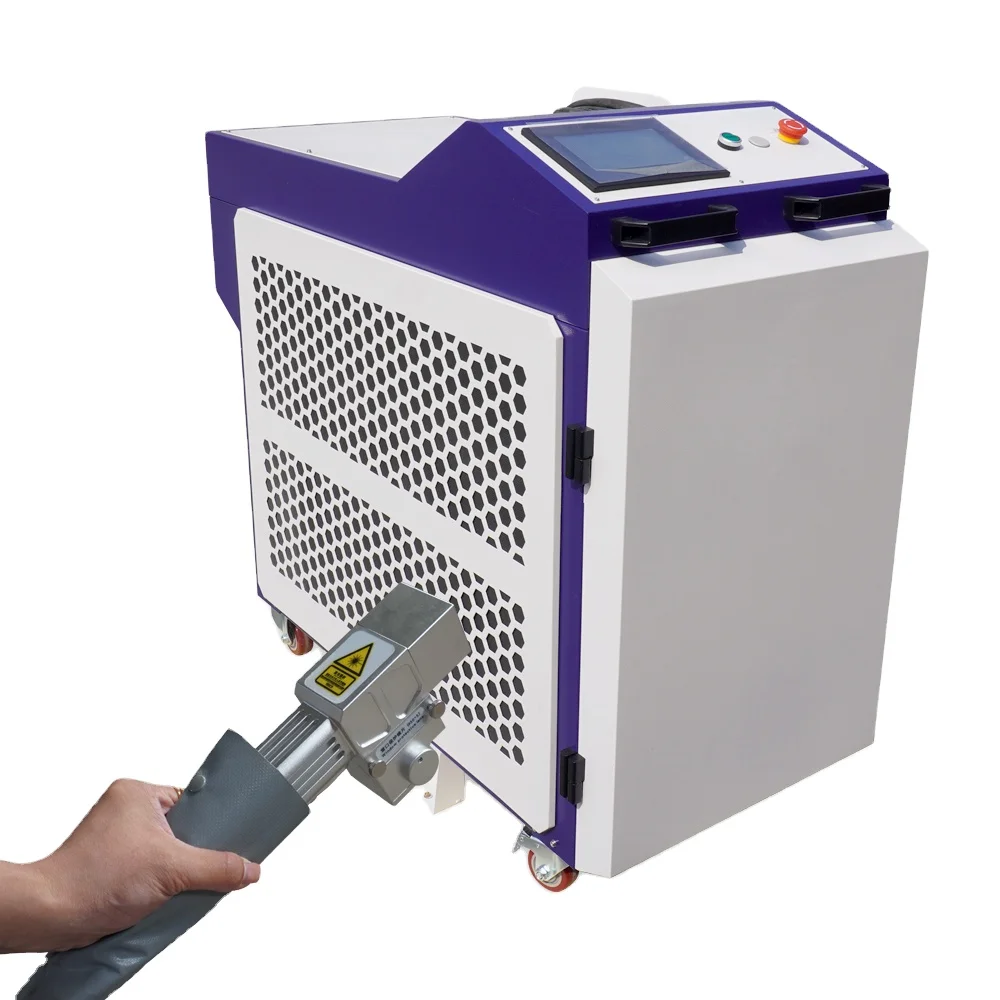
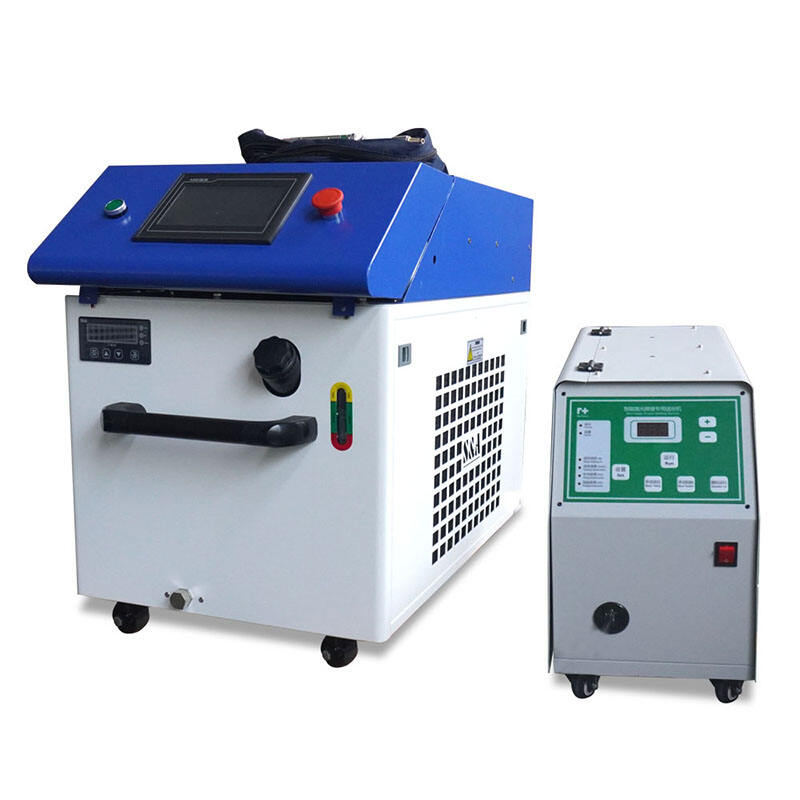
Continuous wave laser welding has revolutionized industrial manufacturing by offering a balance of speed, precision, and versatility unmatched by traditional methods. Unlike pulsed lasers, which deliver energy in short bursts, CW systems emit a steady, high-intensity beam, making them ideal for applications requiring deep penetration or continuous seams. Rayman CNC’s fiber-based CW laser welders leverage advanced diode-pumped technology, achieving power densities exceeding 1MW/cm² while maintaining beam quality (M² < 1.1) for micro-scale precision. This technology excels in welding dissimilar metals—such as copper to aluminum—where thermal expansion differences demand precise heat control. Our systems integrate seamlessly with industrial robots, enabling automated welding of curved surfaces or tubular structures with repeatability ±0.02mm. Real-time feedback loops adjust laser parameters based on material thickness, surface reflectivity, and joint gap, ensuring consistent quality even on variable inputs. For example, in aerospace applications, our CW lasers weld titanium alloys for fuel nozzles without introducing hydrogen embrittlement, a common issue with arc welding. The non-contact process eliminates tool wear, reducing maintenance costs by 80% compared to mechanical joining methods. Additionally, CW welding’s minimal heat-affected zone (HAZ) preserves material properties, critical for high-strength steels used in automotive chassis. Rayman CNC’s systems also support hybrid processes, combining laser welding with MIG/TIG for thick sections (>12mm), offering flexibility without sacrificing speed. Our modular design allows easy upgrades to higher power levels (up to 10kW) as production demands evolve. With over 60,000 cooperative customers worldwide, we’ve optimized our CW lasers for industries ranging from consumer electronics to energy storage, delivering solutions that reduce labor costs by 40% and increase throughput by 60% through faster cycle times and lower rework rates.

Frequently Asked Questions

What materials can continuous wave laser welding join effectively?

Rayman CNC’s CW laser systems excel at welding ferrous and non-ferrous metals, including stainless steel, aluminum, copper, titanium, and nickel alloys. They handle dissimilar metal combinations (e.g., steel-to-aluminum) by dynamically adjusting beam focus and power to manage thermal conductivity differences. The process is ideal for thin materials (0.1–3mm) where minimal HAZ is critical, as well as medium-thickness sections (3–10mm) when paired with filler wire. For thicker materials (>10mm), our hybrid CW+MIG systems combine laser precision with arc welding’s depth control.
While CW laser systems typically have higher upfront costs than pulsed lasers, they offer lower total cost of ownership (TCO) in high-volume production. CW lasers achieve faster speeds (up to 200mm/s vs. 50mm/s for pulsed) and higher quality, reducing scrap rates by 30–50%. Their non-contact nature eliminates consumables like electrodes or shielding gas, cutting operational costs. Additionally, CW systems require less frequent maintenance, as there are no moving parts in the laser generation process. For example, a pulsed laser may cost 20% less initially but could incur 40% higher TCO over five years due to slower speeds and higher rework.

Related Articles

How Laser Cutting Machines Enhance Product Customization

07

Jan

How Laser Cutting Machines Enhance Product Customization

Today’s rapid customer-focused market has increased demand for businesses to deliver mass personalization, customization, and even made to order products and services. One such technology that makes this process efficient is a laser cutting mac...
View More
The Advantages of Using Collaborative Robots in Assembly Lines

07

Jan

The Advantages of Using Collaborative Robots in Assembly Lines

The past few years have witnessed a revolution in the way that various industries go about their manufacturing processes. More specifically, the use of collaborative robots or cobots has helped transform assembly lines, leading to higher efficiency l...
View More
The Benefits of Integrating Industrial Robots into Production

07

Jan

The Benefits of Integrating Industrial Robots into Production

In today’s ever changing, cutthroat world of manufacturing, implementing industrial robots in the production life cycle is one of the key methods that multiple firms use to improve the efficiency and productivity of the overall business. This a...
View More
Improving Safety Standards with Collaborative Robots

07

Jan

Improving Safety Standards with Collaborative Robots

Workplace safety has become a top priority in this day and age. Well, robots have also come into the mix, particularly cobots. These robots support human workers with high quality and low risk. This article provides an insight into the technology, fu...
View More

Customer Reviews

Dr. Emily Chen
Transformed Our Production Line Efficiency

We switched to Rayman CNC’s CW laser welder for our automotive battery tray assembly, and the results were immediate. The system’s speed (180mm/s) cut our cycle time from 12 to 5 minutes per part, while the precision eliminated post-weld grinding. Their team trained our operators on-site, ensuring smooth integration with our existing robots. The real-time monitoring feature alerts us to any deviations, so we’ve reduced scrap by 45%. This investment paid for itself in under a year through saved labor and material costs

Emma
Exceptional Support for Complex Welding Needs

As a medical device manufacturer, we needed a CW laser welder capable of handling 0.2mm stainless steel tubing without distortion. Rayman CNC’s engineers customized the beam delivery system to focus energy precisely, achieving welds with HAZ under 0.05mm. Their consultant-style approach went beyond selling equipment—they analyzed our workflow and recommended robotic integration that improved throughput by 70%. The fast delivery meant we met our production launch deadline without delays. Their after-sales support is equally impressive; when we had a query about software settings, they resolved it remotely within hours.

Get a Free Quote

Our representative will contact you soon.
Email
Name
Company Name
Message
0/1000
Dynamic Beam Adjustment for Variable Materials

Dynamic Beam Adjustment for Variable Materials

Our CW lasers automatically adjust focus diameter and power density based on material thickness, ensuring optimal penetration without burn-through.
Real-Time Quality Monitoring

Real-Time Quality Monitoring

Integrated sensors detect joint gaps, surface reflectivity, and plasma plume characteristics, adjusting parameters mid-weld to maintain consistency.
Scalable Power for Diverse Applications

Scalable Power for Diverse Applications

Modular designs support power upgrades from 1kW to 10kW, accommodating future production needs without replacing the entire system.
E-mail E-mail Whatsapp Whatsapp Wechat Wechat
Wechat
TopTop