
 EN
EN
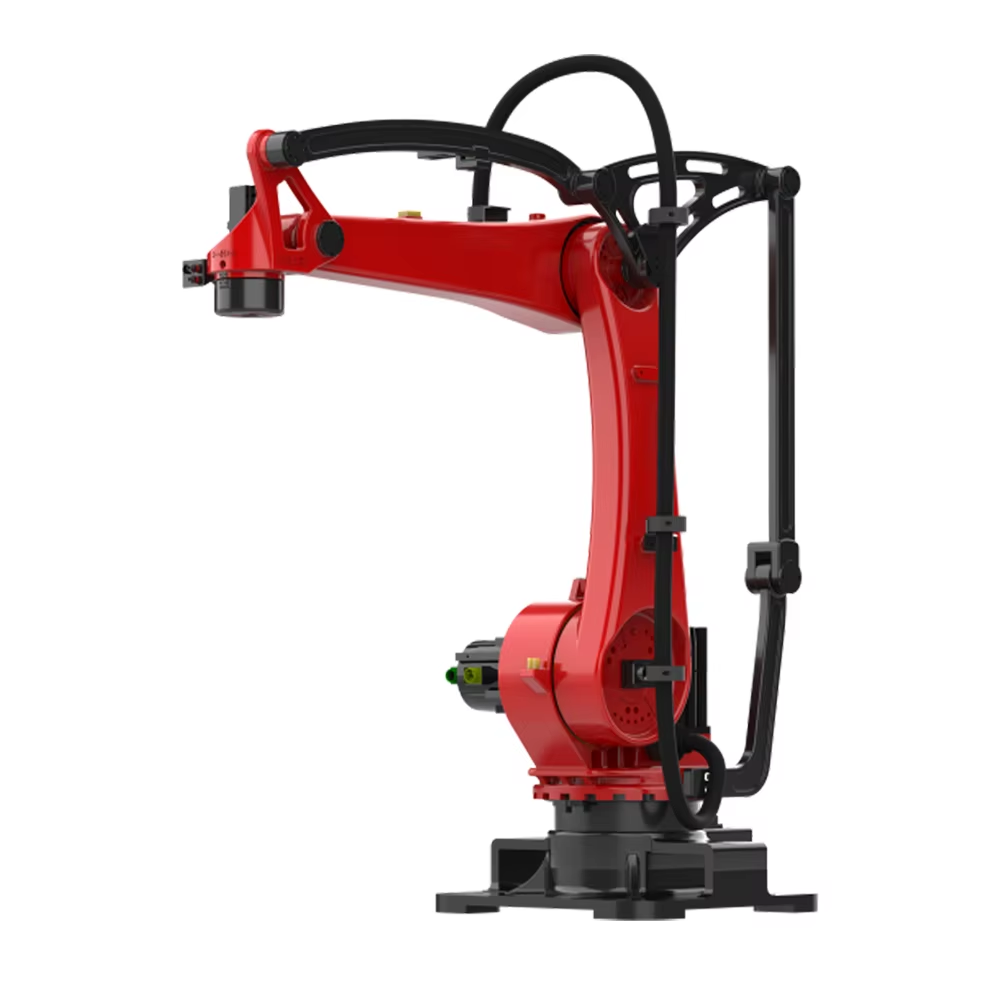
Kaynak Robotlarıyla Montaj Hattı Verimliliğini Artırmak
Senkronize Hareket Planlamasının Döngü Süresini %20–30 Azaltma Yöntemi
Kaynak robotları senkron hareket planlamasına sahip olduğunda, farklı kaynak noktaları arasında geçiş yaparken harcanan boş zamanı gerçekten azaltabilirler. Bu sistemler, robot kolları için güvenli yollar belirler ve çoklu eksenler boyunca gerçekleşen karmaşık hareketleri koordine eder. Sonuç olarak, kaynak arkı çoğunlukla devamlı çalışır hâlde kalır; duraklama ve yeniden başlatma işlemi çok daha az gerçekleşir. Çoğu fabrika, eski tip programlama yöntemlerinden daha gelişmiş sistemlere geçtiğinde üretim döngülerinde yaklaşık %20 ila %30 oranında iyileşme görür. Örneğin, bir büyük otomotiv parça üreticisi, daha gelişmiş hareket kontrol yazılımı uygulayarak şasi kaynak süresini birim başına 42 saniyeden yalnızca 32 saniyeye düşürmeyi başarmıştır. Bu, ek fabrika alanı gerektirmeden günlük üretim miktarını yaklaşık %23 artırmasını sağlamıştır. Gerçek fayda, elle yapılan kaynak süreçlerinde doğal olarak ortaya çıkan bu küçük duraklamaların ortadan kaldırılmasından gelir; aynı zamanda tekrarlayan işlemler sırasında konum doğruluğu yaklaşık 0,15 milimetreye kadar korunur.
Tesla Gigafactory Berlin: Elle yapılan hücrelere kıyasla kaynak döngüleri %57 daha hızlı
Tesla'nın Berlin fabrikasında yaşananları incelemek, kaynak robotlarının üretim kapasitesini artırma konusunda oyunu ne kadar değiştirebileceğini göstermektedir. Buradaki otomatik kaynak hücreleri, işçilerin normal istasyonlarda başardığından yaklaşık %57 daha hızlı iş tamamlamaktadır. Neden mi? Çünkü bu makineler gündüz ya da gece fark etmeksizin çalışmaya devam eder; çoğu günde vardiya sürelerinin %85’inden fazlasını yaylağı açık olarak geçirir ve elbette kimse tüm gün boyunca ayakta durduktan sonra yorulmaz. Berlin Gigafactory’sinde robot kolları genellikle her bir kaynak işlemi için yaklaşık 1,7 saniye sürer; ısıyı ihtiyaç duyuldukça ayarlar ve dikişleri otomatik olarak takip eder, dolayısıyla parçalar mükemmel şekilde hizalanmasa bile sistem anında uyum sağlar. 2023 yılında yetkin kaynakçıların büyük bir kıtlığı yaşandığında, bu verim artışı tüm farkı yaratmıştır. Tesla, normalde sahip olduğu kaynakçı sayısının yaklaşık üçte birini kaybetmesine rağmen üretim hedeflerine ulaşmayı başarmıştır. Burada gördüğümüz, ciddi ekipman yatırımı gerektiren fabrikalar için temelde yeni bir standarttır. Robotlar tekrarlayan işlerin büyük kısmını üstlenirken, insan uzmanlar her şeyin kalite standartlarına uygun olduğundan emin olmaya odaklanır.
Kaynak Robotları Aracılığıyla Tutarlı Kalite ve Hassasiyetin Sağlanması
ISO 5817 Sınıf B uyumluluğunu sağlayan 0,2 mm’den daha düşük tekrarlanabilirlik
Modern kaynak robotları, gelişmiş servo sistemleri ve sağlam mekanik yapısı sayesinde yarım milimetreden daha az bir hassasiyetle konumlandırılabilmektedir. Bu kadar yüksek düzeydeki doğruluk, bu makinelerin kaynak yollarını tam olarak aynı şekilde tekrar tekrar gerçekleştirmesini sağlar; bu nedenle ISO 5817 Sınıf B gereksinimlerini oldukça kolayca karşılarlar. Bu standart, temelde metalde neredeyse hiç kabarcık veya kusur olmamasını gerektirir. Üretim tesislerinde yapılan raporlar, önemli bağlantılar için robotik kaynak kullanan şirketlerin ilk denemede yaklaşık %98 oranında uygun parça elde ettiğini, buna karşılık geleneksel elle kaynakta bu oranın yalnızca %82 civarında olduğunu göstermektedir. Ark oluşturmak veya torç hareket hızını kontrol etmek gibi işlemlerde insan müdahalesi olmadığı takdirde hata yapma olasılığı doğrudan azalır. Bu durum, pahalı düzeltme işlemlerini yaklaşık %40 oranında azaltır ve özellikle dayanıklılığın en çok önemli olduğu uygulamalarda — örneğin basınç tankları veya otomobil şasi bileşenleri gibi — büyük fark yaratır.
Gerçek zamanlı dikiş izleme ve uyarlamalı ark kontrolü, kaynak değişkenliğini ortadan kaldırır
Kaynak işlemleri sırasında entegre görüş sistemleri, birleşim noktalarının nasıl oluştuğunu izlemek amacıyla lazer sensörlerle birlikte çalışır. Bu sistemler malzemeler arasında boşluklar veya hizalama sorunları tespit ettiğinde, torç açısını otomatik olarak ayarlar ve uygulanan ısı miktarını düzenler. Bu tür geri bildirim döngüsü, termal distorsiyon veya parça varyasyonları gibi nedenlerle ortaya çıkan ve normalde kötü nüfuz kalitesine yol açan sorunları gidermeye yardımcı olur. Sistemin akıllı algoritmaları, voltaj ve amperaj değerlerini saniyede yaklaşık 500 kez ayarlayarak yüzey kirleticilerinin varlığı durumunda bile kaynak arkının tam olarak doğru şekilde çalışmasını sağlar. Üreticiler ayrıca oldukça şaşırtıcı bir gelişme gözlemlemiştir: Eskiden kaynakları sürekli rahatsız eden aşırı kazınma (undercutting) ve sıçramalar (spatter) kusurları artık neredeyse tamamen ortadan kalkmıştır. Bu durum mantıklıdır çünkü bu kusurlar, üretim sonrası kaynakların incelenmesi için harcanan sürenin büyük kısmına neden olan başlıca faktörlerdi. Otomotiv sektörünün Tier 1 tedarikçilerinin 2024 Yılı Üretim Verimliliği Raporu’na göre, bu teknolojiyi kullanan şirketler, geleneksel yöntemlere kıyasla post-kaynak incelemeleri için yaklaşık %57 daha az zaman harcıyor.
Stratejik ROI Sağlamak: Kaynak Robotlarıyla Mali Tasarruf ve İşgücü Optimizasyonu
küresel kaynakçı kıtlığı ortamında her istasyonda ortalama %42’lik işçilik maliyeti azalması
Kaynak robotlarını üretime sokmak, her istasyondaki işçilik maliyetlerini yaklaşık %42 oranında düşürür; bu durum, geçen yılki WFI raporuna göre, üçte ikiden fazla üretici firmanın yeterli sayıda nitelikli kaynakçı bulmakta zorlandığı düşünüldüğünde oldukça önemli bir avantaj sağlar. Otomatik sistemler, şirketlerin daha yüksek ücretlere karşı direnç göstermesine yardımcı olur ve üretim hatlarını durdurmadan, bulunması zor olan uzman işçiler üzerindeki bağımlılığı azaltır. Bu tür bir kurulumdan elde edilen tasarruflar, standart hacimli operasyonlar için işletmelerin yatırımını yalnızca yaklaşık 18 ay içinde geri kazanmalarını sağlar. Daha önce sabit maaş giderleri olarak tanımlanan bu kalemler, artık işletme ihtiyaçlarına göre ölçeklenebilir hale gelmiş; önceden olduğu gibi sonsuza kadar sabit kalmamıştır.
Hibrit personel yönetimi: Kaynak robotları hacimli işlemleri üstlenirken, insanlar denetim ve karmaşık görevleri yürütür
Akıllı üreticiler, robot kolların milimetrenin onda biri kadar hassasiyetle tekrarlayan kaynak işlerinin büyük partilerini gerçekleştirdiği hibrit yaklaşımları giderek daha fazla benimsemektedir. Bu durum, yetkin işçilerin kalite kontrolünü yapmalarına ve özel dikkat gerektiren zorlu birleşim noktalarını ele almalarına olanak tanır. Sistem ayrıca oldukça iyi çalışmaktadır: Talep arttığında robotlar daha fazla birim üretirken, teknisyenler programları ince ayarlamak ve hataları önceden tespit etmek için zamanlarını harcarlar. Şirketler, fazla mesai giderlerini yaklaşık %30 oranında azalttıklarını ve hatalardan kaynaklanan malzeme israfının çok daha azaldığını bildirmektedir. Gerçekten etkileyici olan ise mevcut personelin, yeni personele veya tesis genişletmesine ihtiyaç duymadan neredeyse iki kat daha fazla iş hacmini yönetebilmesidir.
Sıkça Sorulan Sorular
Kaynak robotları üretim süreçlerine hangi avantajları sağlar?
Kaynak robotları, israf edilen süreyi önemli ölçüde azaltabilir ve üretim kapasitesini yaklaşık %20–30 oranında artırabilir. Kaynak arkının daha uzun süre aktif kalmasını sağlayarak çevrim süresini kısaltır ve verimliliği artırır.
Kaynak robotları nasıl tutarlı kaliteyi sağlar?
Kaynak robotları 0,2 mm’den daha düşük tekrarlanabilirlik sunar ve bu sayede ISO 5817 Sınıf B standartlarına uyum sağlar. Hataları azaltır ve elle müdahale ihtiyacını en aza indirir; bu da pahalı düzeltme maliyetlerini yaklaşık %40 oranında düşürür.
Kaynak robotlarının kullanımının mali avantajları nelerdir?
Kaynak robotları, işçilik maliyetlerini her istasyon başına yaklaşık %42 oranında azaltır; bu durum küresel kaynakçı eksikliği ortamında özellikle kritiktir. Sabit maaş giderlerini ölçeklenebilir çözümlere dönüştürerek üreticilerin yatırım getirisini yaklaşık 18 ay içinde sağlamalarını sağlar.