 EN
EN
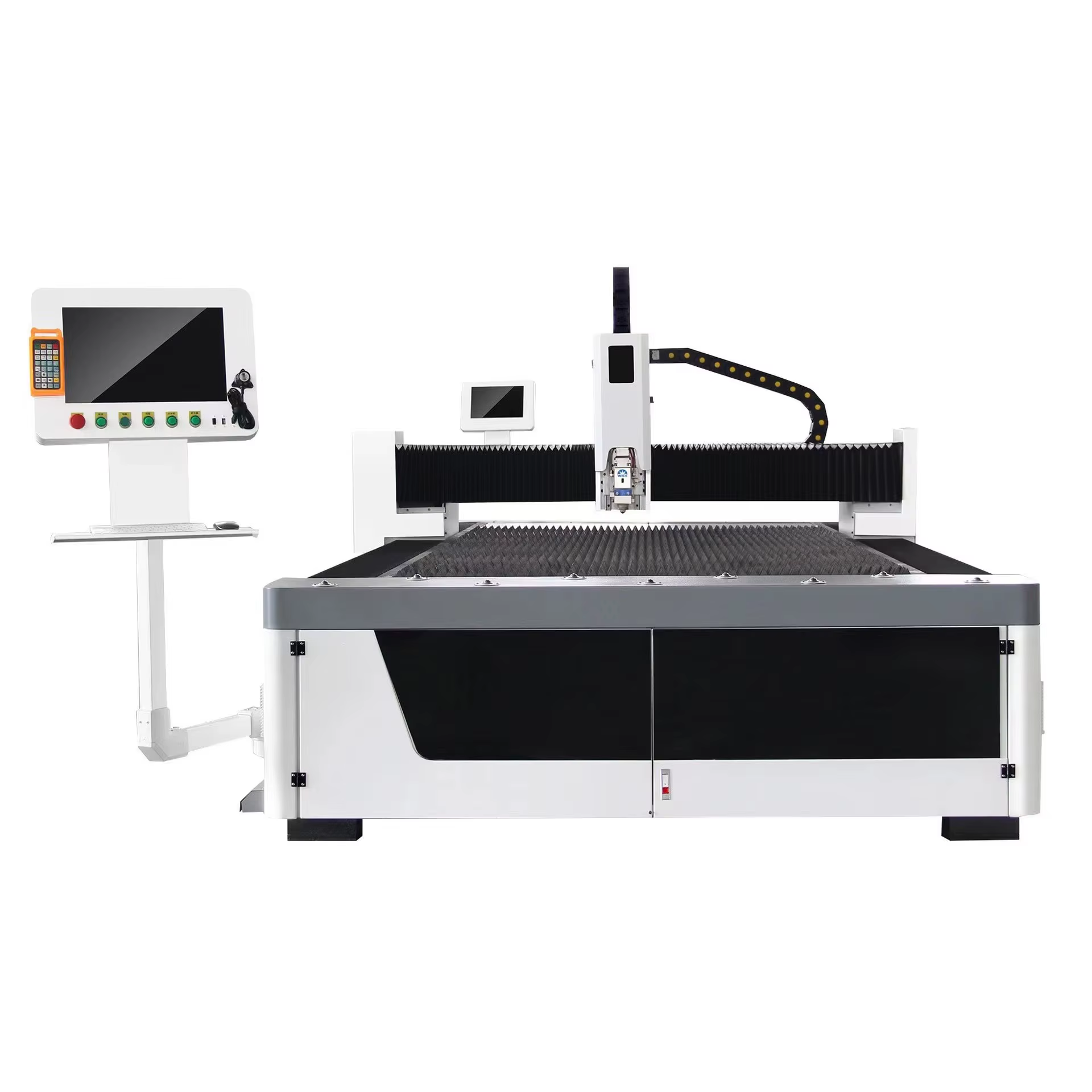
Initialinvestering: Prisnivåer för stålböjmaskiner och nyckeldrivande kostnadsfaktorer
Hur storlek, automatiseringsnivå, varumärkesreputation samt alternativ mellan ny och återställd utrustning påverkar inköpspriset
Fyra huvudsakliga faktorer avgör inköpspriset för stålböjmaskiner:
- Storlek/Kapacitet : Maskiner som hanterar tjockare stål (t.ex. 10 mm+) eller större plåtar (3 m+) kostar 30–50 % mer än standardmodeller på grund av förstärkta ramkonstruktioner och hydrauliska eller servoelektriska system med högre kraft.
- Automationsnivå : Manuella pressar börjar vid 25 000 USD; halvautomatiska modeller med digital vinkelmätning och servomotorer ligger inom spannet 70 000–150 000 USD; fullt automatiserade CNC-stålböjmaskiner – med AI-stödd felkorrigering, robotintegration och upprepbarhet på <0,1° – kostar 180 000–550 000 USD+.
- Varumärkesrykte : Premiumtillverkare tar 15–25 % högre priser för fältprovad hållbarhet, integrerade säkerhetssystem och omfattande serviceorganisation – vilket minskar livscykelunderhållskostnaderna med upp till 40 % (Fabrication Journal, 2024).
- Ny mot reparerad certifierade återanvända enheter ger 20–35 % besparingar, men kräver noggrann validering av kalibreringshistorik och komponentslitage, särskilt för högprecisionstillämpningar.
prisreferensvärden för 2025: Manuella, halvautomatiska och fullt automatiska CNC-stålböjmaskiner
Nuvarande priser speglar en kraftig kostnadsstratifiering som drivs av automatisering:
| Maskintyp | Prisklass (2025) | Viktigaste Funktionerna |
|---|---|---|
| Manuell press | 22 000–50 000 USD | Grundläggande stansar, kapacitet för stål med diameter 8 mm |
| Semi-automatisk | 70 000–150 000 USD | Digitala vinkeldisplayar, servomotorer |
| Cnc stål buktning maskin | 180 000–550 000+ USD | AI-beslutshjälp för felkorrigering, precision <0,1° |
CNC-modeller dominerar högvolymsproduktion och uppnår tre gånger så hög genomströmning som manuella alternativ. Halvautomatiska system ger den optimala balansen för tillverkare i mellanskala som siktar på avkastning på investeringen inom 18 månader.
Totala ägandekostnader: Driftkostnader utöver inköpspriset
Årliga arbetskostnader, energikostnader, kostnader för förebyggande underhåll och verktygskostnader för stålböjningsmaskiner
Priset på etiketten kan se bra ut på papperet, men det verkliga pengarna spenderas efter att maskinen har nått verkstadsplanet. Arbetskostnaderna brukar ta upp den största delen av budgeten, särskilt vid CNC-maskiner som kräver utbildad personal för drift, programmeringsarbete och alla tråkiga inställningsändringar mellan olika arbetsuppgifter. Elräkningarna berättar en helt annan historia. Nyare servoelektriska system kan halvera elanvändningen jämfört med äldre hydrauliska system, vilket gör en stor skillnad över tid. Regelbunden underhåll är också viktigt. Att hålla maskinerna i gott skick genom korrekt smörjning, kalibrerade sensorer och genom att byta ut komponenter innan de går sönder hjälper till att förhindra kostsamma driftstopp och säkerställer att böjningsnoggrannheten förblir på önskad nivå. Verkstäder som arbetar med tuffa material, till exempel höghållfast stål eller komplicerade former, upptäcker snabbt att de måste investera betydande summor i specialformar, slitstarka insatsdelar och anpassade verktygssatser. Sammanfattningsvis tenderar dessa regelbundna kostnader att överstiga vad som betalats för själva maskinen någonstans runt år fem eller sex. Alla som bedömer totalägandekostnaden måste ta hänsyn till allt detta om de vill få en verklig bild istället for att låta sig lockas av låga startpriser.
Mäta ekonomisk avkastning: ROI-ramverk och återbetalningsperioder för stålböjmaskiner
Tillämpa NPV, IRR och brytpunktsanalys på investeringar i CNC-stålböjceller
När man tittar på stålböjmaskiner är god ekonomisk planering avgörande. Nuvärde (NPV) omvandlar i princip alla dessa framtida pengasiffror till vad de är värda idag. Detta hjälper till att visa om en investering faktiskt kommer att generera vinst, när vi tar hänsyn till både den ursprungliga kostnaden och hur inflationen påverkar värdet över tid. Om NPV blir positivt är det sannolikt en klok investering. Ett annat nyckeltal att följa är internränta, vanligtvis kallad IRR. Detta visar vilken årlig avkastning vi kan förvänta oss från en investering. De flesta företag vill se en IRR på cirka 10–15 % eller högre, särskilt vid köp av stora industriella anläggningar. Break-even-analys fungerar annorlunda: den visar exakt hur många delar som måste tillverkas varje år endast för att täcka alla kostnader som är kopplade till maskinens drift – inklusive programmeringsarbete, specialverktyg och elräkningar. CNC-system når ofta denna break-even-gräns främst beroende på hur mycket de används dagligen samt om det görs förbättringar för att minska materialspill. En stor stålkonstruktionsverkstad lyckades enligt senaste branschdata från 2024 nå sin break-even-punkt inom endast fjorton månader efter att ha infört automatisering i sextio procent av sina processer för strukturstålsproduktion.
Referensvärden för avkastning i verkligheten (2023–2025) efter automationsnivå och produktionsvolym
Siffrorna berättar en intressant historia om hur lång tid det tar att återfå investeringen från olika automationsnivåer. För verkstäder som knappt producerar något alls tar manuella maskiner vanligtvis mellan tre och fem år innan de börjar ge avkastning, när den årliga produktionen ligger under 5 000 enheter. Det ser bättre ut för de som kör halvautomatiska system i verksamheter av medelstorlek som tillverkar mellan 5 000 och 20 000 delar per år. Dessa anläggningar kan återfå sina kostnader inom endast 18–30 månader. Och sedan finns det de fullt automatiserade CNC-stålböjmaskinerna, vilka drastiskt minskar väntetiden till under 15 månader för företag som tillverkar över 20 000 enheter årligen. Enligt Ponemons forskning från förra året accelererar servo-elektriska versioner av dessa CNC-maskiner processen ännu mer tack vare sin 30 procent bättre energieffektivitet jämfört med traditionella hydrauliska modeller. Ta ett bilmotorfabrik som exempel – de lyckades återfå sin investering på 220 000 USD inom endast 11 månader efter att ha eliminerat extra bearbetningssteg och minskat slöseri med nästan 20 procent.
Strategiskt värdetillskott: Hållbarhet, precision och långsiktig kostnadsundvikning
Servo-elkraftdrivna jämfört med hydrauliska stålböjmaskiner: Energiinsparning, minskad driftstopp och avfallsminskning
När man tittar på alternativ för stålböjmaskiner tenderar servoelektriska modeller att prestera bättre än hydrauliska när det gäller effektivitet. Enligt branschrapporter kan dessa maskiner minska energiförbrukningen med cirka hälften under normal drift. Det innebär stora besparingar på elräkningarna varje år samt hjälper till att uppnå de mål för koldioxidminskning som många företag eftersträvar idag. Konstruktionen är dessutom faktiskt enklare, vilket leder till färre driftstopp överlag. De flesta verkstäder rapporterar om cirka en tredjedel mindre oväntade driftstopp jämfört med äldre hydrauliska system. En annan fördel? Dessa maskiner hanterar material bättre tack vare sina precisionsstyrningar. Tillverkare har noterat en minskning av skrotmetallen med mellan 15 och kanske till och med 20 procent tack vare konsekvent noggranna böjningar. Alla dessa faktorer tillsammans innebär reella besparingar över tid samtidigt som man behåller miljövänligheten. Här behöver man inte offra kvalitet för att vara miljövänlig.
Vanliga frågor
Vad avgör priset på en stålböjmaskin? Priset bestäms av storlek/kapacitet, automatiseringsnivå, varumärkesreputation och om det är nytt eller återanvänt.
Vad är de driftskostnader som ligger utanför inköpspriset? Driftskostnader inkluderar arbetskraft, energikostnader, förebyggande underhåll och verktygskostnader.
Hur kan den finansiella avkastningen på investeringen mätas? Den finansiella avkastningen kan mätas med hjälp av nuvärdet (NPV), internräntan (IRR) och brytpunktsanalys.
Vilka fördelar har servoelektriska modeller jämfört med hydrauliska? Servoelektriska modeller erbjuder bättre energieffektivitet, minskad driftstopp och mindre slitage.
Innehållsförteckning
- Initialinvestering: Prisnivåer för stålböjmaskiner och nyckeldrivande kostnadsfaktorer
- Totala ägandekostnader: Driftkostnader utöver inköpspriset
- Mäta ekonomisk avkastning: ROI-ramverk och återbetalningsperioder för stålböjmaskiner
- Strategiskt värdetillskott: Hållbarhet, precision och långsiktig kostnadsundvikning