
 EN
EN
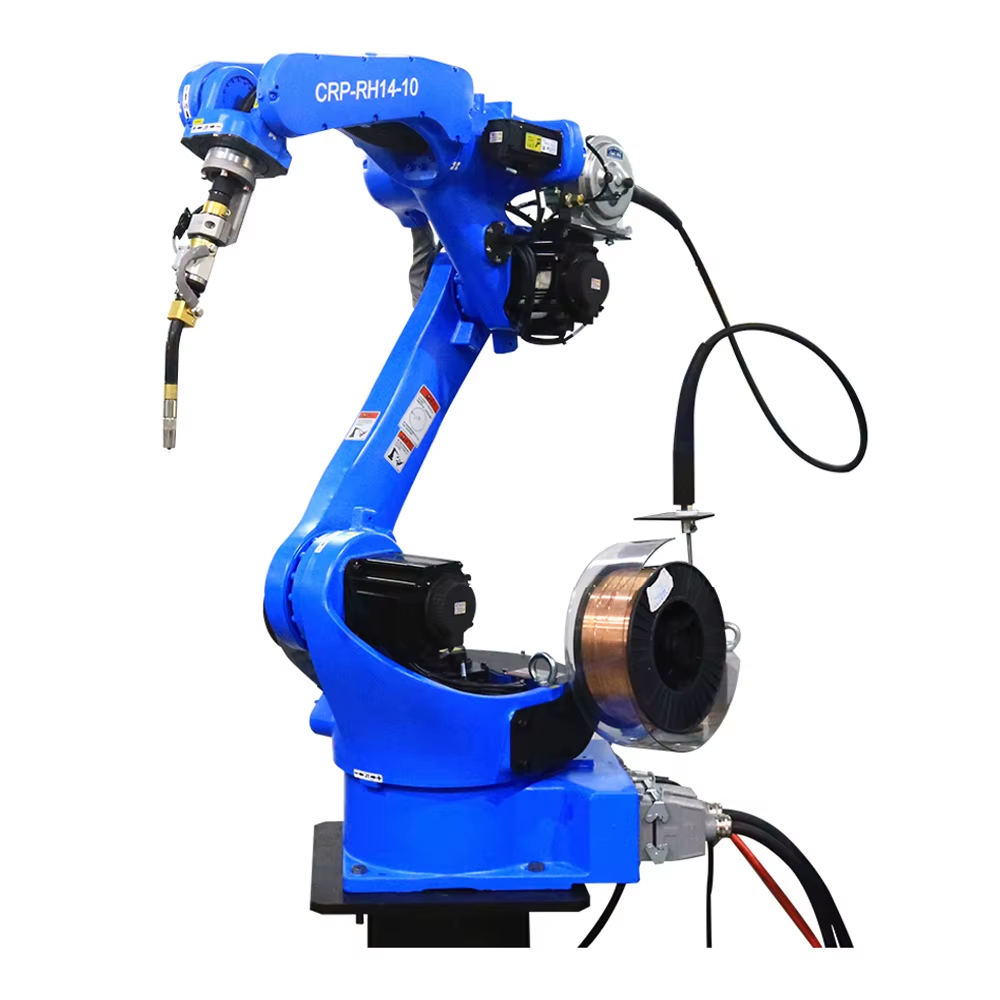
Fundamentele calculului rentabilității investițiilor în automatizarea robotică
Formula standardizată pentru rentabilitatea investițiilor și cadrul perioadei de recuperare
Pentru a determina în mod corect rentabilitatea investiției, majoritatea oamenilor încep cu formula de bază: procentul ROI este egal cu (Economii anuale nete minus Investiție totală) împărțit la Investiție totală, înmulțit cu 100. Să presupunem că cineva cumpără un sistem robotic cu jumătate de milion de dolari, care generează economii de aproximativ 200.000 USD pe an, după deducerea cheltuielilor. Acest lucru ar oferi o rentabilitate de aproximativ 40 % pentru capitalul investit. Un alt indicator important este perioada necesară pentru recuperarea investiției, pe care o calculăm împărțind costul total al investiției la economiile anuale. Majoritatea companiilor consideră ca fiind destul de bună orice perioadă sub două ani și jumătate, atunci când evaluează dacă o investiție are sens din punct de vedere financiar. Totuși, atunci când analizăm ce se include în costurile investiției, mulți uită să ia în calcul elemente care depășesc simpla achiziție a echipamentelor. Imaginea reală include toate elementele, de la taxele de configurare a software-ului și până la programele de instruire a angajaților, gestionarea schimbărilor organizaționale în timpul implementării, precum și costurile regulate de întreținere care apar lunar.
Capturarea valorii ascunse: sarcina salarială, reducerea erorilor și economiile legate de calitate
Rentabilitatea reală a investiției depășește cu mult simpla reducere a costurilor directe ale forței de muncă. Când analizăm sarcina salarială — care include elemente precum beneficiile sociale, impozitele, asigurările și costurile de funcționare a instalației — aceasta crește de obicei salariile de bază cu aproximativ 25–40%. Eliminarea greșelilor comise de oameni în cadrul operațiunilor precise poate reduce deșeurile materiale până la 90% în unele cazuri. Iar producția constantă oferită de sistemele automate reduce, de asemenea, rata retragerilor de produse legate de probleme de calitate cu aproximativ două treimi. Pentru companiile care produc volume mari, aceste economii ascunse reprezintă frecvent între 30% și jumătate din economiile totale realizate direct. Acest lucru face ca includerea acestor cifre să fie absolut esențială în construirea modelelor financiare, nu doar o opțiune suplimentară plăcută.
Evitarea celor mai frecvente capcane legate de rentabilitatea investiției în automatizarea robotică
Trei greșeli critice compromit acuratețea ROI:
- Subestimarea complexității integrării , în special cu sistemele existente (ceea ce poate prelungi termenele cu 20–35%)
- Neglijarea costurilor asociate managementului schimbărilor , care consumă în mod obișnuit 15–25% din bugetul total al proiectului
- Ignorarea limitelor de debit , unde gâturile fizice sau logistice împiedică extinderea, în ciuda capacității de automatizare
Reduceți aceste riscuri prin studii prealabile implementării privind timpul și mișcarea, precum și prin alocarea unui buget de rezervă de 10–15%, specific pentru provocările legate de integrare și adoptare.
Principalele factori de generare a ROI în implementările de automatizare robotică
Economii de forță de muncă: Dincolo de reducerea numărului de posturi, până la realocarea angajaților FTE
Reducerea costurilor cu forța de muncă este, fără îndoială, modalitatea cea mai evidentă prin care companiile obțin rentabilitatea investițiilor, dar ceea ce contează strategic nu este doar economisirea de bani — ci relocarea angajaților, nu concedierea lor. Când roboții colaborativi preiau acele sarcini plictisitoare și epuizante fizic, lucrătorii calificați sunt mutați în poziții mai bune. Gândiți-vă la activități precum analiza modului de îmbunătățire a proceselor, asigurarea conformității produselor cu standardele sau căutarea constantă a unor modalități de optimizare a operațiunilor. Companiile economisesc semnificativ timp suplimentar lucrat, costurile legate de corectarea erorilor și pierderea personalului care părăsește compania din cauza epuizării profesionale. Datele susțin, de asemenea, această afirmație. Înlocuirea unui tehnician experimentat din domeniul producției costă aproximativ 50.000 USD, conform Jurnalului de Eficiență în Producție, anul trecut. Există, de asemenea, un alt avantaj pe care nimeni nu îl discută suficient de des: atunci când experții în sudură trec în roluri de supraveghere după instalarea roboților, întreaga linie de producție funcționează cu 25% mai eficient. Acest tip de cunoștințe rămâne în cadrul companiei, în loc să plece odată cu angajatul care demisionează.
Creșterea debitului: Măsurarea compresiei timpului de ciclu și a scalabilității producției
Roboții accelerează în mod semnificativ procesele de fabricație, reducând timpul de ciclu cu 35% până la 60%. De ce? Pentru că lucrează non-stop, 24 de ore pe zi, mențin mișcări constante pe întreaga durată a procesului și obțin mereu aceleași rezultate. Munca manuală nu poate urmări această constantă, deoarece oamenii au nevoie de pauze, se obosesc și lucrează în schimburi diferite. Luați ca exemplu sudura: o singură stație robotică de sudură de calitate poate realiza ceea ce ar necesita, în mod normal, aproximativ doi și jumătate de muncitori manuali. În plus, aceste mașini respectă cu mare precizie dimensiunile țintă, de obicei în limitele de ±0,1 mm. Acest grad de precizie face întreaga diferență în ceea ce privește controlul calității și eficiența producției.
| KPI | Proces manual | Automatizare robotică | Îmbunătățire |
|---|---|---|---|
| Unități/oră | 40 | 92 | 130% |
| Rata de defecțiuni | 4.2% | 0.8% | reducere cu 81% |
| Prag de scalabilitate | 12 ore/zi | 24 de ore pe zi | creștere cu 100% |
Această elasticitate susține producția în regim de vârf fără creșteri proporționale ale forței de muncă—mai ales esențială în sectoarele unde precizia este critică, cum ar fi industria aerospațială și cea a dispozitivelor medicale.
Măsurarea succesului: KPI-uri care reflectă impactul real al automatizării robotizate
Cuantificarea valorii automatizării robotizate necesită KPI-uri care să reflecte transformarea operațională — nu doar evitarea costurilor. Cele mai semnificative metrici se încadrează în trei dimensiuni interdependente:
- Productivitate : Măsurat prin debit (unități/oră), reducerea timpului de ciclu și rata de utilizare
- Calitate : Urmărit prin randamentul la prima trecere, reducerea ratei de defecțiuni și evitarea costurilor legate de rebuturi/refaceri
- Reziliență : Evaluat prin reducerea timpului de nefuncționare neplanificat, timpul mediu dintre defecțiuni (MTBF) și frecvența intervențiilor operatorilor
Managerii de fabrică observă adesea cu aproximativ 23% mai puține opriri neplanificate cauzate de greșeli umane după implementarea automatizării, iar mașinile lor funcționează, în mod tipic, cu 15–30% mai rapid odată ce totul este configurat corespunzător. Ceea ce contează cu adevărat, totuși, nu sunt doar aceste cifre în sine, ci modul în care se compară înainte și după instalarea roboților. Analizarea proceselor individuale, în locul statisticilor generale ale fabricii, oferă o imagine mult mai clară a ceea ce funcționează, de fapt. Concentrarea exclusivă pe indicatori spectaculoși, cum ar fi numărarea roboților achiziționați, nu dezvăluie întreaga poveste privind eficiența cheltuirii fondurilor. În schimb, monitorizarea adecvată devine un element pe care companiile îl pot ajusta în mod continuu pentru a obține rezultate din ce în ce mai bune în timp.
Adoptarea treptată a automatizării robotizate pentru un ROI durabil
Validare prin pilot, arhitectură scalabilă și facilitarea schimbării
A aborda lucrurile pas cu pas ajută la reducerea riscurilor în cadrul implementării de noi sisteme și face ca indicatorii de rentabilitate să se bazeze pe rezultate reale, nu doar pe presupuneri neîntemeiate. Începeți cu mici teste concentrate, care evaluează domenii cu un impact semnificativ, dar cu o complexitate redusă. Aceste proiecte pilot trebuie să verifice eficacitatea practică a soluțiilor, comparându-le cu indicatori importanți, cum ar fi timpul economisit, reducerea numărului de defecțiuni și gradul în care operatorii încep să utilizeze efectiv noile soluții. Conform unui studiu realizat anul trecut de Deloitte, companiile care aplică această strategie de implementare treptată reduc riscurile de implementare cu aproximativ două treimi. În plus, obțin și rentabilitatea investiției mai rapid – de obicei în termen de 18 luni, în loc de aproape trei ani, cum este cazul majorității companiilor din industrie.
Trei faze interconectate asigură succesul:
-
Validarea proiectelor pilot
Soluții de testare în medii controlate, în raport cu KPI-uri predefinite—capturând nu doar creșterea productivității, ci și economiile ascunse, cum ar fi reducerea deșeurilor de materiale (35.000 USD/lună în cazuri documentate din domeniul producției). -
Scalabilitate modulară
Proiectarea sistemelor cu arhitecturi deschise și interfețe standardizate (de exemplu, OPC UA, API-uri REST) pentru a permite extinderea incrementală—evitând actualizările costisitoare de tip „dismantle-and-replace” atunci când procesele evoluează. -
Integrare condusă de operatori
Implicarea echipelor de la linia frontală încă de la etapele inițiale de proiectare, validare și instruire—valorificând cunoștințele lor despre procese pentru a identifica oportunități de optimizare care ar putea rămâne nedetectate dacă ar fi evaluate doar de ingineri. Echipele implicate la acest nivel raportează o implementare cu 40 % mai rapidă și cu 25 % mai multe îmbunătățiri după lansarea în exploatare.
Această metodologie transformă datele obținute în faza inițială de pilot—cum ar fi creșterea observată de 22 % a debitului mediu—în modele statistice robuste de ROI pentru implementări la scară întreprindere.
Cele mai bune practici independente de furnizor pentru asigurarea ROI în domeniul automatizării robotizate
Selectarea riguroasă a cazurilor de utilizare, integrarea fără probleme a sistemelor și parteneriatul cu operatorii de linie frontală
Rentabilitatea maximă nu este determinată de selecția furnizorului — ci se obține prin executarea disciplinată, ancorată în realitatea operațională. Trei practici independente de furnizor formează baza:
- Selectarea riguroasă a cazurilor de utilizare : Prioritizați sarcinile frecvente, bazate pe reguli și cu puncte dureroase măsurabile — în special cele care generează peste 30% din costurile cu forța de muncă sau peste 90% din ratele de eroare (Ponemon Institute, 2023). Evitați implementările „orientate spre tehnologie”; începeți cu economia proceselor.
- Integrare Seamless a Sistemului : Impuneți interoperabilitatea încă de la prima zi, folosind protocoale standardizate (de exemplu, MTConnect, ROS-Industrial), pentru a conecta noile sisteme robotice cu PLC-urile vechi, sistemele MES și ERP — prevenind scăderea rentabilității cu 15–20% cauzată de timpul nefolositor legat de integrare.
- Parteneriatul cu operatorii de linie frontală integrați operatorii în proiectarea soluției, testare și instruire — nu ca utilizatori finali, ci ca co-proprietari. Implicarea lor conduce la o adoptare cu 40% mai rapidă și evidențiază cu 25% mai multe căi de optimizare după lansare.
| Practică | Impactul asupra ROI | Indicator Cheie |
|---|---|---|
| Selectarea cazurilor de utilizare | Reducerea directă a muncii/manualelor/erorilor | economii de costuri de peste 30% |
| Integrarea sistemului | Prevenirea opririlor | întârzieri în implementare sub 5% |
| Parteneriat cu operatorii | Îmbunătățire continuă | câștiguri de optimizare de peste 25% |
Împreună, aceste practici transformă automatizarea robotică dintr-o cheltuială de capital într-un motor de valoare scalabil și adaptabil — oferind un termen de recuperare constant sub 18 luni, în timp ce protejează organizațiile împotriva dependenței de un singur furnizor și a învechirii tehnologice.
Secțiunea FAQ
Care este formula standard pentru calcularea ROI în automatizarea robotică?
Formula standardă pentru calcularea ROI este: (Economii anuale nete minus investiția totală) împărțită la investiția totală, înmulțită cu 100.
De ce sunt importante economiile ascunse în calcularea ROI pentru automatizarea robotică?
Economiile ascunse, cum ar fi costurile aferente forței de muncă și reducerea erorilor, reprezintă adesea o parte semnificativă din economiile totale, făcându-le esențiale pentru calcularea precisă a ROI.
Ce riscuri pot submina acuratețea ROI pentru automatizarea robotică?
Riscurile critice includ subestimarea complexității integrării, neglijarea costurilor asociate managementului schimbărilor și ignorarea limitelor de productivitate.
De ce se recomandă abordarea treptată a adoptării automatizării robotice?
O abordare treptată reduce riscurile, permițând testarea și validarea în condiții reale, ceea ce conduce la modele ROI statistic robuste pentru implementări mai ample.
Cum influențează selecția riguroasă a cazurilor de utilizare și integrarea sistemelor ROI-ul?
Selectarea riguroasă a cazurilor de utilizare și integrarea fără probleme a sistemului contribuie la obținerea unui ROI semnificativ, abordând punctele principale de durere și prevenind eroziunea ROI legată de întreruperile de funcționare.
Cuprins
- Fundamentele calculului rentabilității investițiilor în automatizarea robotică
- Principalele factori de generare a ROI în implementările de automatizare robotică
- Măsurarea succesului: KPI-uri care reflectă impactul real al automatizării robotizate
- Adoptarea treptată a automatizării robotizate pentru un ROI durabil
- Cele mai bune practici independente de furnizor pentru asigurarea ROI în domeniul automatizării robotizate
-
Secțiunea FAQ
- Care este formula standard pentru calcularea ROI în automatizarea robotică?
- De ce sunt importante economiile ascunse în calcularea ROI pentru automatizarea robotică?
- Ce riscuri pot submina acuratețea ROI pentru automatizarea robotică?
- De ce se recomandă abordarea treptată a adoptării automatizării robotice?
- Cum influențează selecția riguroasă a cazurilor de utilizare și integrarea sistemelor ROI-ul?