
 EN
EN
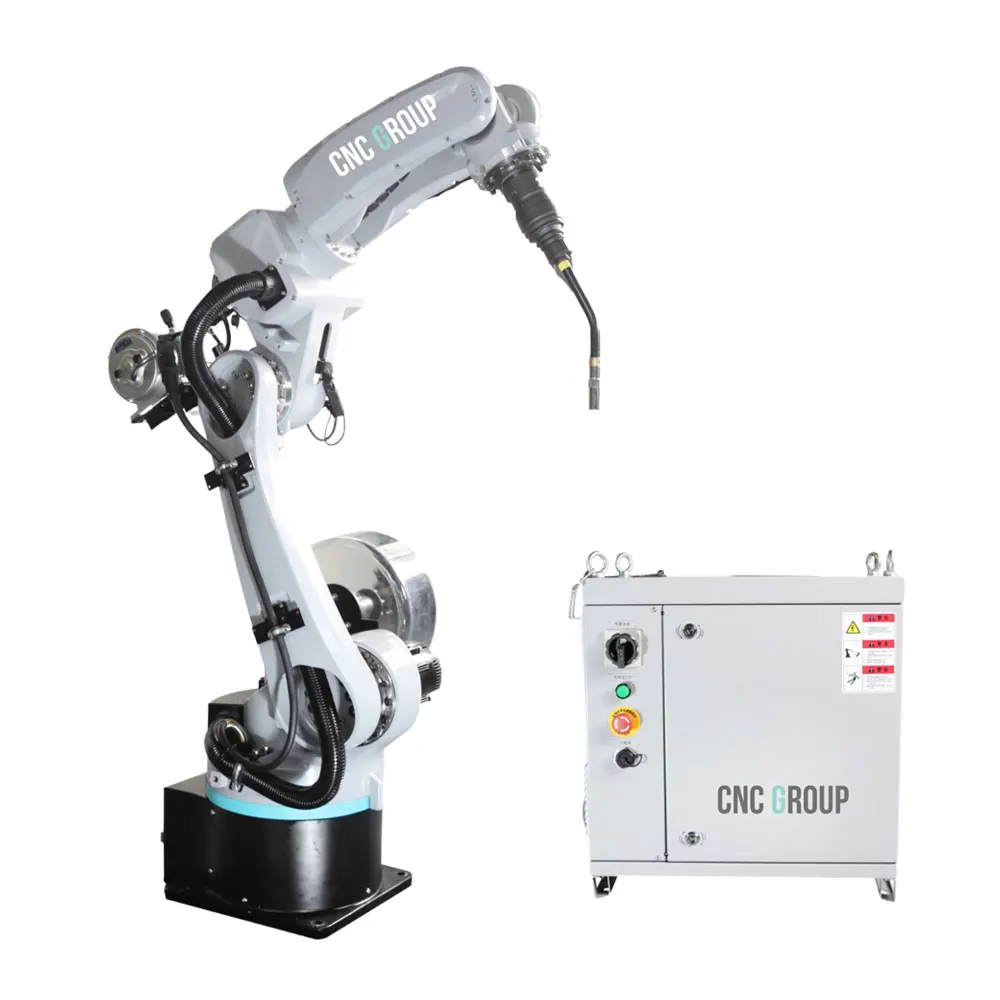
Classificação Fundamental de Falhas para Robótica Industrial
Estrutura de 4 Domínios: Falhas Mecânicas, Elétricas, de Software e de Segurança
Quando se trata de resolver problemas, bons técnicos começam agrupando as falhas em quatro categorias principais. As avarias mecânicas são, na verdade, o problema mais comum nos robôs industriais atualmente. Referimo-nos, por exemplo, a rolamentos desgastados, que representam cerca de 40% de todos os casos de falha, segundo relatórios do setor. Em seguida, há os problemas elétricos, que variam desde enrolamentos danificados até aqueles incômodos problemas de interferência eletromagnética. As questões de software costumam manifestar-se como comportamentos estranhos em sistemas PLC ou controladores ROS, onde a programação simplesmente não funciona corretamente. As preocupações com segurança são diferentes: exigem atenção imediata, pois negligenciá-las pode levar a acidentes graves no chão de fábrica. Esse tipo de sistema de classificação ajuda realmente os técnicos a identificar com precisão qual parte da máquina está causando o problema, tornando todo o processo de diagnóstico muito mais rápido na prática.
Diagnóstico de Padrões Recorrentes de Tempo de Inatividade em Células de Trabalho Robóticas
Quando a produção para repetidamente, isso geralmente indica a existência de problemas ocultos em alguma parte do sistema. Analisar o que ocorre no interior dessas células de trabalho revela alguns padrões interessantes, dignos de nota. Por exemplo, quando as máquinas começam a vibrar excessivamente durante operações de alto torque, isso frequentemente aponta para o desgaste progressivo de componentes ao longo do tempo. E, se a comunicação entre os sistemas for interrompida esporadicamente, é provável que interferência elétrica esteja causando problemas em algum ponto da linha. O que muitas fábricas têm feito recentemente é implementar esses sofisticados algoritmos de Detecção e Diagnóstico de Falhas. Essas ferramentas, basicamente, monitoram constantemente todos os sensores, comparando em tempo real os dados capturados com o que seria considerado um comportamento normal de operação. O resultado? Em vez de aguardar a falha de um equipamento para então realizarem a manutenção, as equipes podem identificar e resolver problemas precocemente. Fábricas que adotam esse método relatam uma redução de cerca de trinta por cento nas paradas não programadas em suas linhas automatizadas de montagem. Isso faz todo o sentido — afinal, ninguém quer perder dinheiro porque um equipamento simplesmente entra em falha sem aviso prévio.
Manutenção Preditiva Impulsionada por IA em Robótica Industrial
Da Manutenção Programada à Manutenção Baseada em Condição Usando Análise em Tempo Real
Afastar-se da manutenção baseada em cronogramas fixos em direção à monitorização condicional representa uma mudança significativa na forma como gerenciamos robôs industriais atualmente. Os métodos tradicionais baseados no tempo frequentemente resultam ou em excesso de tempo de inatividade ou em falhas repentinas, o que reduz os lucros dos fabricantes em cerca de 740 mil dólares anuais, segundo pesquisa da Ponemon realizada em 2023. Atualmente, os sistemas inteligentes acompanham diversas métricas de saúde dos equipamentos por meio de ferramentas de análise em tempo real. Eles monitoram, por exemplo, vibrações anormais e alterações nas correntes dos motores em diferentes máquinas presentes nos pisos fabris. Com essas informações à mão, as equipes de manutenção conseguem resolver problemas assim que os primeiros sinais aparecem, em vez de esperar que algo grave ocorra. As economias também são bastante impressionantes: muitas fábricas relatam uma redução de 30% a 60% no tempo de inatividade após essa transição. É claro que tornar tudo isso viável exige investimento em redes IoT robustas e familiaridade com tecnologias de aprendizado de máquina capazes de interpretar continuamente todos esses fluxos de dados. Contudo, para empresas comprometidas em manter sua competitividade na indústria de transformação, esse conhecimento está se tornando essencial.
Gêmeos Digitais e Fusão Multimodal de Sensores (Vibração, Térmico, Corrente)
Os gêmeos digitais criam réplicas virtuais dinâmicas de sistemas robóticos físicos, possibilitando capacidades preditivas sem precedentes. Ao fundir fluxos de dados provenientes de sensores de vibração, câmeras térmicas e monitores de corrente, esses modelos detectam anomalias sutis invisíveis a abordagens baseadas em um único sensor. Por exemplo:
- Padrões de vibração revelam desgaste nos rolamentos 72+ horas antes da falha
- Imagens térmicas identificam alterações na resistência elétrica nas juntas
- Flutuações na corrente sinalizam degradação no enrolamento do motor
Essa abordagem multimodal aumenta a precisão das previsões em 40% em comparação com métodos tradicionais, permitindo intervenções de manutenção durante pausas programadas na produção. O ecossistema integrado de dados aprende continuamente com novas entradas, aprimorando os modelos de probabilidade de falha e estendendo a vida útil dos equipamentos por meio de calibração precisa.
Resolução de Problemas Operacionais de Alto Impacto em Robótica Industrial
Deriva do Sinal do Sensor e Falhas Induzidas por EMI em Ambientes de Produção
A interferência eletromagnética (EMI) proveniente de equipamentos de soldagem ou de inversores de frequência causa 43% da degradação do sinal dos sensores em robótica industrial (Journal of Automation, 2023). Isso se manifesta como imprecisões posicionais durante montagens em alta velocidade, nas quais flutuações de tensão distorcem os sinais de feedback provenientes de codificadores e sensores de proximidade. A mitigação exige:
- Proteção dos cabos de sinal com condutos aterrados
- Implementação de filtros EMI nas fontes de alimentação
- Realocação dos robôs a uma distância de 3 metros de fontes de alta frequência
Análises regulares do espectro identificam padrões de interferência antes que as falhas se propaguem — ajudando a evitar a perda anual de produtividade de US$ 740 mil associada à paralisação não planejada.
Erros de Trajetória de Movimento, Riscos de Colisão e Armadilhas na Programação de PLC/ROS
Desvios de trajetória superiores a 0,5 mm em robôs articulados frequentemente resultam de recalibrações cinemáticas incorretas ou conflitos de temporização no PLC (Controlador Lógico Programável). Problemas comuns incluem:
| Tipo de Falha | Causa Raiz | Estratégia de Mitigação |
|---|---|---|
| Deriva do ponto central da ferramenta | Expansão térmica dos segmentos do braço | Recalibração assistida por laser a cada 200 horas de operação |
| Movimento não comandado dos eixos | Latência na comunicação entre nós do ROS (Robot Operating System) | Otimização da fila de mensagens e temporizadores watchdog |
| Eventos de colisão | Parâmetros de inércia incorretos no planejamento de trajetórias | Sistemas de detecção de carga dinâmica |
Erros de programação são responsáveis por 31% das falhas de movimento, especialmente quando lógica ladder legada interage com pilhas de controle ROS2. A validação de pontos de referência de trajetória por meio de simulação reduz os riscos de colisão em 68%.
Estratégia de calibração e otimização da eficiência a longo prazo
Fazer com que robôs industriais mantenham sua precisão ao longo do tempo significa ir além de simplesmente corrigir problemas quando eles ocorrem, adotando uma abordagem mais planejada e baseada em dados reais. Um bom ponto de partida é agendar a manutenção com base em riscos, concentrando-se inicialmente nas peças mais críticas, como as juntas dos braços robóticos ou os sistemas de visão dos quais dependem, ao mesmo tempo em que se analisa o que pode dar errado por meio de análise de modos de falha. Alguns estudos indicam que instalações que mantêm seus sensores devidamente calibrados tendem a obter cerca de 30% mais vida útil de seus equipamentos antes de necessitarem de substituição, comparadas a configurações nas quais ninguém realmente verifica o que está acontecendo. Para quem leva a sério a sustentabilidade nas operações de manufatura, há diversas medidas práticas dignas de consideração já neste momento.
- Protocolos automatizados de calibração por meio de rotinas controladas por software que reduzem erros humanos
- Verificação in loco usando ferramentas portáteis de metrologia durante janelas programadas de manutenção
- Monitoramento preditivo de deriva ao inserir dados de calibração na alimentação em plataformas de manutenção com IA
Essa abordagem reduz o tempo de inatividade relacionado à calibração em até 45%, mantendo a precisão posicional abaixo de ±0,1 mm. Em última análise, a otimização contínua da calibração gera ganhos de eficiência cumulativos: cada melhoria de 1% na precisão robótica resulta em economias anuais aproximadas de 18 mil dólares norte-americanos na redução de desperdício de materiais em linhas de montagem típicas.
Perguntas Frequentes
Quais são as principais categorias de falhas em robótica industrial?
As falhas em robótica industrial são classificadas principalmente como mecânicas, elétricas, de software e de segurança.
Como a manutenção preditiva orientada por IA beneficia a robótica?
A manutenção preditiva orientada por IA permite análise em tempo real e monitoramento baseado nas condições reais do equipamento, reduzindo o tempo de inatividade e evitando falhas súbitas ao identificar problemas precocemente.
Qual é o papel dos gêmeos digitais na manutenção preditiva?
Gêmeos digitais criam réplicas virtuais de sistemas robóticos para aprimorar as capacidades preditivas, detectando anomalias sutis por meio da fusão multimodal de sensores.
Quais são os problemas comuns causados pela interferência eletromagnética (EMI) em robótica?
A EMI pode causar deriva do sinal dos sensores e imprecisões posicionais em robótica, distorcendo os sinais de feedback provenientes de codificadores e sensores de proximidade.