
 EN
EN
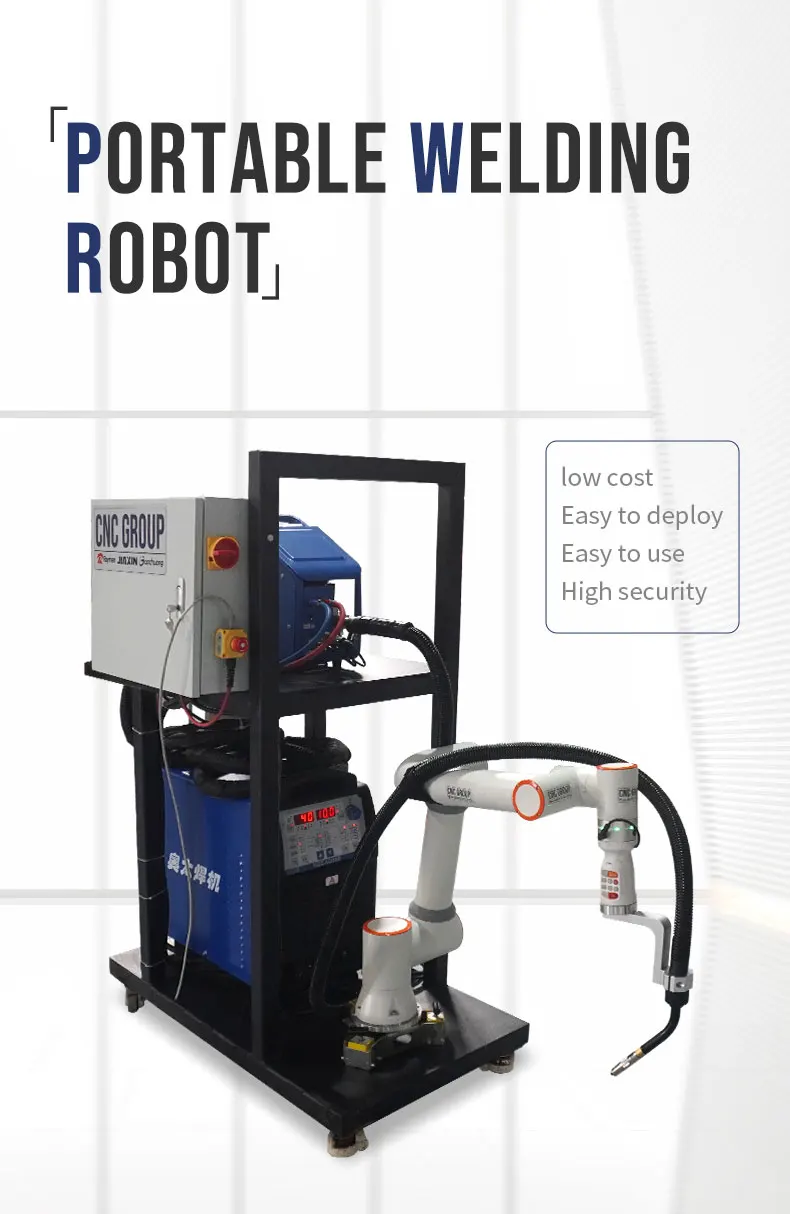
Quid Facit Robotum Soldaturum Sex Axis Unice Capabilem?
Quomodo Kinematica Sex Axis Permittunt Praecisam, Complexamque Executionem Itineris Soldaturi
Robota sex axis dexteritatem humani polsi imitantur per libertatem rotationis in omnibus planis spatialibus—quae reorientationem continuam torcharum durante soldatura permittit. Haec facultas ad accessum ad angulos angustos vel curvas compositas, ut intersectiones tuborum, necessaria est. Cum repetibilitate ±0,05 mm, arcum stabilem in superficiebus contortis conservant, ubi systemata traditonalia tria axis laborant. Anguli Euler programmabiles depositionem continuam guttae in complexis contornis tridimensionalibus permittunt, necesse repositionis minuentes 60 % comparatione ad systemata Cartesianae (Robotic Welding Journal 2023).
Specificationes Onus Portandum, Extentio, et Repetibilitas Criticae Sunt Ad Applicationes Industriales Soldaturae
Solderatio industrialis postulat robotas qui pondus inter 5 et 20 kg (torchem, cablinga, sensus) cum latitudine horizontali inter 1,5 et 3,2 m aequilibrant. In applicationibus altius inertiae—ut in aedificatione navium—bracchia rigida requiruntur, quae accuratam positionem ad ≤0,1 mm sub vibratione servent, atque constantiam soldaturae ad 99,8 % in suturis decem metrorum efficiant. Circuits protectivi contra oneris excessum deviationem traiecti prohibent dum processus MIG pulsati ad altas amperitates aguntur, fidem micronalem servantes sine detrimento velocitatis aut securitatis.
Integratio sensorum in tempore reali: sectio sequens, sensus arcus, et controllo adaptativo
Moderni robotae soldaturae sex axium integrant tractores iuncturarum laser, qui detectant dislocationes iuncturarum usque ad 30 mm, cum correctione itineris ducta ab arte intellectuali infra 50 ms. Sensus per arcum observat fluctuationes tensionis ut identificet interstitia et dynamice adaptet celeritatem alimentationis fili et celeritatem progressionis in tempore reali. Haec regio clausa defectus minuit procentualiter 45% in materialibus variabilis crassitudinis (Data Processus AWS 2024). Algorithmi adaptivi implendi praeterea compensant distortionem thermicam durante soldaturis multis, servantes tolerantias dimensionales intra ±0,25 mm.
Concordare Capabilities Robotarum Soldaturarum Sex Axium cum Profilo Productionis Tuae
Electio robotis ad soldaturam sex-axialis requirit ut eius specificatio technica aptetur ad tuum profilum productionis — non solum ad geometriam partium, sed etiam ad volumen, ad mixturam, et ad condiciones fluxus operis. Operationes alti voluminis cum soldaturis repetitivis in lineis rectis fortasse non postulant plenam dexteritatem sex-axialem; systemata simpliciora, ut gantry vel SCARA, sufficere possunt. Contra, operationes parvi voluminis cum mixtura alta — praesertim quae artificiosa iuncta multiangulata, coniunctiones tubulares, aut chassia automobilium involvunt — maxime proficiunt ex flexibilitate et amplitudine platformae sex-axialis.
Magnitudo et pondus partis sunt factores decidentes: verificare oportet onus quod robotis ferre potest (plerumque 6–20 kg) et amplitudinem suam (communiter 1,4–2,1 m) ad partes maximas tuas accommodare cum margine , inter quae sunt ferramenta, fixurae et onera sensorum. Non minus importantia sunt condicionum integratio — spatium in pavimento, structurae tutelae (ut cortinae lucis aut scanneres laser), atque congruentia cum systematibus iam existentibus manutentionis materialium. Instrumenta programmationis extra lineam tempus mortuum minuunt, sed personalem peritum postulant; si peritia interna limitata est, praefere venditores qui firmum auxilium et vias modularum institutionum praebent. Per hanc coordinationem horum criteriorum cum finibus qualitatis — ut profunditas constans penetrations, controllo spatter, aut rectitudo post soldaturam — fabricatores automationem nec nimis elaboratam nec imparatam effugiunt, sic ut reditus ex investitione ab initio commissionis incipiat.
Analysis Reditus Ex Investitione: Quantificatio Conservationis Laboris, Incrementi Fluxus, et Emendationis Qualitatis
Investitio prima contra reductionem pretii totius vitae ex breviatione temporis cycli, rebus abjectis, et emendationibus
Initialis impensae capitalis pro robotis soldaturis sex-axialibus magna est—sed reductiones in summa expensa per totam vitam hanc semper compensant. Tres emendationes operationales cito reddunt investitum: Primum, reductiones temporis cycli (30–50 %) accelerant fluxum per continuam, sine fessitudine, alti velocitatis soldaturam. Secundum, praecisio repetibilis (±0,1 mm) minimat reiecta, quia evitat penetrationem inconstans, perforationem, aut iuncturas praetermissas. Tertium, controlla adaptiva in tempore reali praecociter detegunt et corrigunt defectus antequam propagari possint, ita ut laborem correctivum usque ad 45 % minuant (Data Processus AWS 2024). Indicia industriae ostendunt redditionem typicam intra 24–36 menses, cum perpetuis annuis reditibus in expensis productionis 18–25 %. Pro applicationibus mediis ad altas volumina—praesertim iis quae angustas tolerantias vel exigentias certificatorum severas habent—commoda operationum longe superant sollicitudines de impensis initialibus.
Paratus ad Operationem: Resolvendo Realitates de Opere, Integratione, et Conservatione
Complexitas programmationis, peritiae operatorum augendae, et structurae praeventivae custodiae
Successus in deploymente robotis ad soldandum sex axium innititur tribus columnis inter se dependentibus: peritia programmationis, paratus status operariorum, et disciplina custodiae severa. Licet moderna pendentia docentia et programmatica pro programmatione extra locum (offline) minuerint limina ad introitum, tamen optimatio itinerum soldandi pro geometricis complexis adhuc requirit cognitionem profundi processus — non solum logicam roboti. Fabricatores aut habere debent programmatorem experimentatum in soldatura robotica inter suos, aut investire debent in peritiam augendam structuratam: praeceptio practica et ad applicationem specificalis errores in dispositione minuit de 40 % et tempus necessarium ad primam probationem artificii significanter breviat (Robotic Welding Journal 2023).
Praeter programmationem, manutentio preventiva necessaria est. Haec systemata in calibratura articulorum praecisa, in lubricatione constante, et in diagnosticis regularibus controllerum fundantur, ut repetibilitas ±0,05 mm servetur. Facilitates tempus technici specialis assignare debent—typice 5–7 % horarum operationis—una cum instrumentis calibratis et regulis ambientalibus (p. ex. zonis cellulis temperaturae stabilis) ad intermissiones imprevistas prohibendas. Omissio manutionis programmati non pecuniam conservat; sed periculum recalibrationis onerosae, damni propter collisionem torcharum, aut derelictionis occultae, quae integritatem iuncturarum et conformitatem certificationis minuant, affert.
FAQ
Quid robotem soldaturum sex-axialem a systematibus tradicionalibus distinguit?
robotae soldaturi sex-axiales dexteritatem instar manuum praebent, ut vias soldaturae complexas tractent, dum stabilitas arcus servatur, atque systemata tri-axialia in operibus soldaturae intricatis et angustis superant.
Suntne robotae soldaturi sex-axiales ad omnia ambientes fabricandi idonei?
Cum in ambientes paucorum voluminum sed multarum varietatum, cum geometricis complexis, praestent, systemata simpliciora, ut gantry aut SCARA, satis sunt ad opera magni voluminis et linearia recta.
Quam magnam capacitem oneris isti robotae solent habere?
robotae soldaturi sex axium solent onera inter 6–20 kg offerre, quae torces, sensus et fixationes pro variis applicationibus recipiunt.
Quae sunt necessitates custodiae pro robotis soldaturis sex axium?
Custodia preventiva iuncturas calibrat, ungit, et diagnosin regularem facit, ut praecisio servetur et carissima interruptio evitetur.
Quod est tempus typicum ad reditum investimenti (ROI) pro acquisitione robotis soldaturis sex axium?
ROI saepe consequitur intra menses 24–36 per pecunias conservatas in labore, reductionem scori, et augmentum efficiendi.
Index Contentorum
- Quid Facit Robotum Soldaturum Sex Axis Unice Capabilem?
- Concordare Capabilities Robotarum Soldaturarum Sex Axium cum Profilo Productionis Tuae
- Analysis Reditus Ex Investitione: Quantificatio Conservationis Laboris, Incrementi Fluxus, et Emendationis Qualitatis
- Paratus ad Operationem: Resolvendo Realitates de Opere, Integratione, et Conservatione
-
FAQ
- Quid robotem soldaturum sex-axialem a systematibus tradicionalibus distinguit?
- Suntne robotae soldaturi sex-axiales ad omnia ambientes fabricandi idonei?
- Quam magnam capacitem oneris isti robotae solent habere?
- Quae sunt necessitates custodiae pro robotis soldaturis sex axium?
- Quod est tempus typicum ad reditum investimenti (ROI) pro acquisitione robotis soldaturis sex axium?