
 EN
EN
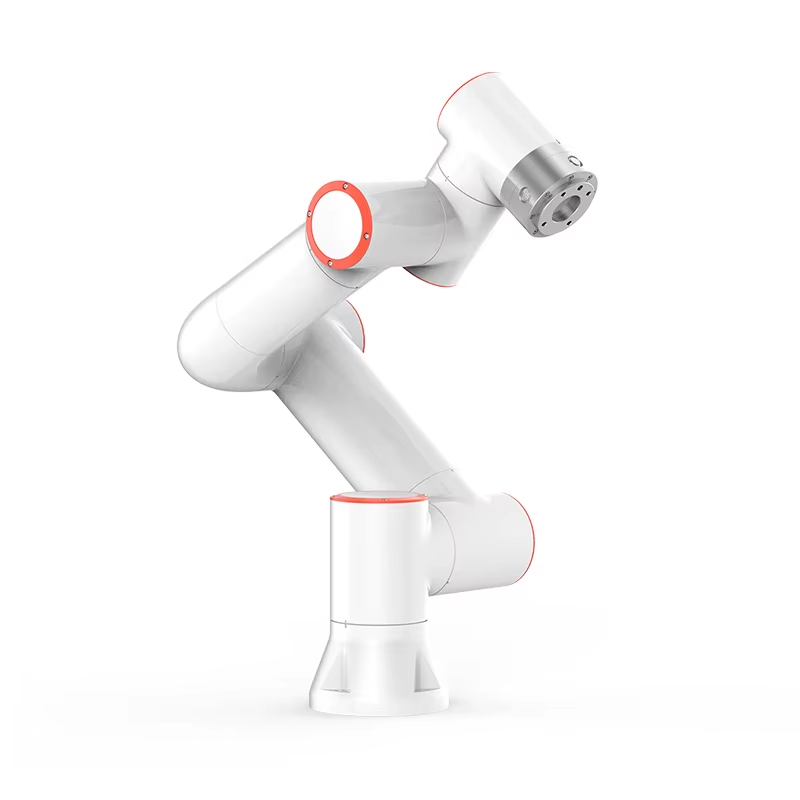
Өнеркәсіптік роботтар өлшенетін тиімділік артысын қамтамасыз етеді
Еңбек кадрларының жетіспеушілігін шешу және компромисс жасамай өндірісті кеңейту
Өндірушілер еңбек күшінің тұрақты жетіспеушілігімен күрескен кезде автоматтандыруға барынша көп сүйенуде. Өнім сапасын сақтау қажеттілігі мен өндірісті көтеру қажеттілігі көптеген компанияларды өнеркәсіптік роботтарға жылжытты. Бұл машиналар адамдар әдетте қашықтатылатын қайталанбалы, дене қозғалысын көп қажет ететін жұмыстарда өзін-өзі көрсетеді. Роботтар әрбір ретте тұрақты нәтиже беретінінде қуанышты жағдай — бұл адам қызметкерлеріміз процестерді бақылауға, ақауларды жоюға және стратегиялық шешімдер қабылдауға көп көңіл бөле алады. Роботтық жүйелерді енгізген зауыттарда өндірістік өнімділік әдетте шамамен 20% артады, бұл персоналдың жетіспеушілігін жабуға үлкен үлес қосады. Мұның қызығы: роботтарды пайдаланып масштабтау кезінде дәлдік жоғалмайды немесе қателер көбеймейді. Роботтар материалдарды орын ауыстыру сияқты ауыр физикалық жұмыстар мен қарапайым компоненттерді жинау сияқты міндеттерді атқарады. Бұл бизнеске кездейсоқ еңбек күшінің тербелістеріне қарсы «буфер аймағын» құрады.
Дәл қозғалыс басқару арқылы цикл уақытын, жұмыс істеу уақытын және өткізу қабілетін оптималдау
Роботтар неге осындай тиімді? Барлығы олардың артық қозғалыстарды болдырмауға бағытталған қозғалыс басқару алгоритмдеріне байланысты. Адамдар күні бойы жұмыс істегеннен кейін шаршайды, ал роботтар тәулік бойы баяулаусыз қуатты жұмыс істей береді. Мысалы, бір тамақ өндіруші компания жоғары жылдамдықты роботтық жүйелерге ауысу арқылы өзінің қаптау жылдамдығын жартысына дейін арттырды. Бұл машиналар әрбір минутта 120 рет «алып қою» операциясын орындай алады — бұны адам қызметкері тұрақты түрде қайталауы мүмкін емес. Шынайы «сірә» әсері — барлығын миллиметрдің бөлшектерінде дәл сақтайтын тұрақты калибрлеу арқылы пайда болады. Бұл дәлдік деңгейі материалдардың аз болуын және партиялар бойынша сапа мәселелерінің азаюын қамтамасыз етеді. Құрылғылар осылай тегіс жұмыс істегенде, олардың жалпы құрылғы тиімділігі (OEE) көрсеткіші нақты жақсарып кетеді. Негізінде, бұл көрсеткіш машиналардың уақыт өте келе қаншалықты жақсы жұмыс істейтінін өлшейді. Роботтар операцияларды басқарған кезде қолданыстағы құрылғыларда күтпеген тоқтап қалулар мен апаттар азаяды, сондықтан зауыттар тапсырыстарды тезірек орындай алады және автоматтандыру келмейінше мүмкін болмаған дәрежеде өндірісті тығыз жоспарлай алады.
Өнеркәсіптік роботтар жұмыс орнының қауіпсіздігі мен өнім сапасын арттырады
Коллаборативті автоматтандыру арқылы қайталанатын кернеу жарақаттарын және адам қателерін азайту
Өндірістік роботтар ауыр жүктерді көтеру, экстремалды жоғары температурадағы көзделген аймақтарда жұмыс істеу немесе улы заттармен жұмыс істеу сияқты қауіпті жұмыстарды атқарған кезде еңбек орнының қауіпсіздігі әлдеқайда жақсарып кетеді. Бұл адамдармен ынтымақтастықта жұмыс істейтін роботтар (коботтар) кедергілерді анықтайтын сенсорлар мен қолданылатын күш мөлшері шектелген буындар сияқты ішкі қауіпсіздік функцияларымен жабдықталған. Сандық көрсеткіштер де осыны растайды — өндірістік кәсіпорындар бойынша зерттеулер көрсеткендей, бұл машиналар жұмысшылармен бірге өндіріс алаңында жұмыс істей бастағаннан бері қайталанатын тасымалдау зақымдары шамамен 72% азаюын бақылаған. Қылықты, қайталанатын тапсырмалар автоматтандырылған кезде жұмысшылардың шаршағыштығына байланысты қателер азаяды, бұл үзіліссіз жұмыс істейтін жинақтау сызығындағы нақты детальдарды өңдеу үшін ерекше маңызды. Сондықтан өндіріс қызметкерлері бір қалыпты қимылдарды бүкіл күн бойы қайталау орнына өнімдерді тексеруге уақыт жұмсайды. Сонымен қатар, айналдырушы моменттің деңгейін үздіксіз бақылау мен соқтығысуларды сезіну қабілеті өндірістің қауіпсіздігін сақтай отырып, өндіріс көлемін тұрақты ұстап тұруға мүмкіндік береді.
Нақты уақыттағы кері байланыс пен калибрлеу арқылы миллиметрден кіші дәлдікті қамтамасыз ету
Бүгінгі күні өндірістік роботтар микрон деңгейінде азғантай ауытқуларды анықтай алатын жетілдірілген көру жүйелері мен күштік сенсорлармен жабдықталған, олар жұмыс істеу барысында өздерін реттеуге мүмкіндік береді. Дәл осындай жағдайда дәнекерлеу траекториясы шамамен ±0,05 мм шегінде ұсталады, ал желімдік заттарды дозалау кезінде олар үнемі шамамен 0,1 мл дәлдікті қамтамасыз етеді. Бұл машиналар өздерінің цифрлық егіз моделдерімен салыстыра отырып, нақты уақытта не болып жатқанын үнемі бақылайды; осылайша олар механикалық өңдеу кезіндегі жылулық ауытқу немесе ыдыстарды толтыру сызығындағы толтыру деңгейлерінің тұрақсыздығы сияқты факторларға автоматты түзетулер енгізеді. Электроника құрамын жинау жұмыстары үшін осындай тұйық циклді басқару жүйесі қайта жасау көлемін шамамен 30–35% азайтады және ұзақ мерзімді, 24/7 тоқтамайтын өндіріс кезінде де ақаулар деңгейін 0,02%-дан төмен ұстайды. Ең маңыздысы — барлық осы қиындық туғызатын қолмен өлшеу қателіктері толығымен жойылады, сондықтан сапа кіші партиялық шығарудан бастап күрделі аралас өнімді тапсырыстарға дейін барлық өнімдер бойынша тұрақты қалады.
Негізгі қолданбалар мен өндірістік қажеттіліктерге сәйкес келетін робот түрлері
Дәнекерлеу, материалдарды өңдеу және машиналарды қызмет еткізу: онда өндірістік роботтар ең жоғары ROI көрсетеді
Өнеркәсіптік роботтардан жақсы пайда алу туралы сөз болғанда, кейбір аймақтар басқаларынан басымдыққа ие болады. Дәлдікті талап ететін және қызметкерлер үшін дене жағынан қиын болатын қайталанатын операцияларды орындайтын аймақтар — бұл дәл осы роботтардың шынымен жарқырайтын жерлері: дәнекерлеу, материалдарды тасымалдау және станоктарды қызмет еттіру. Мысалы, дәнекерлеу роботтары — олар миллиметрдің ондық үлестеріне дейінгі ұсақ детальдарды дәл орындайды, яғни адамдардың қолмен орындағанына қарағанда ақаулар әлдеқайда аз болады; кейбір зерттеулерге сәйкес, мұндай ақаулар саны шамамен 90% азаяды. Материалдарды тасымалдау жүйелері де ауыр жүктерді тасымалдайды: олар 2300 килограммға дейінгі жүктерді қозғалысқа келтіреді және тоқтап қалу уақыты шамамен 0,2% ғана — яғни өндірушілердің техникалық сипаттамалары бойынша жұмыс істеу уақыты 99,8% құрайды. Ал станоктарды қызмет еттіру роботтары — олар CNC станоктарын үзіліссіз жұмыс істетеді, ал қызметкерлер бөлшектерді ауыстыру үшін келгенше станоктардың бос отырып тұруын болдырмайды. Көптеген компаниялар өз инвестицияларын ең көп дегенде бір жылдан кейін қайтара алады, себебі еңбек шығындары төмендейді және шикізат шығындары азаяды. Автомобиль өнеркәсібі бұл мәселеге ерекше назар аударды. Роботтық дәнекерлеу ұяшықтарын орнатқан автокөлік өндірушілері роботтар іске қосылғаннан кейін өндіріс көлемінің шамамен төрттен бір бөлігіне (25%) өскенін хабарлады.
Буынды, SCARA және Delta роботтары – Дұрыс кинематикалық сәйкестікті таңдау
Оңтайлы роботты таңдау үшін кинематиканы тапсырма талаптарымен сәйкестендіру қажет:
- Буынды роботтар (6 осьті) адам қолының икемділігін қайталайды – күрделі дәнекерлеу, бояу жұмыстары мен икемді жинауға идеалды
- SCARA роботтары қатты вертикаль тұрақтылық пен жылдам горизонталь қозғалыс ұсынады – жоғары жылдамдықта және жоғары дәлдікте электроникалық құрылғыларды жинауға арналған
- Delta роботтары ультра-жылдам, жеңіл салмақты қозғалыс ұсынады – орамалау, сорттау және фармацевтикалық дозалауға оптимизацияланған
Көтеру қабілеті (1–500 кг), қол жетімділік (0,5–4 м) және қайталанушылық (±0,01 мм) – таңдаудың анықтаушы критерийлері. Бір ірі электроника өндірушісі тақташаларды өңдеу үшін картезиандық жүйелерді SCARA роботтарымен ауыстырғаннан кейін қосымша уақытты 70% қысқартты.
Өнеркәсіптік роботтардың болашағы: Бейімделуші, ақылды және интеграцияланған
Өнеркәсіптік роботтар қазір тек қана ескі-ескі тапсырмаларды орындамайды, бірақ өндірістегі ақылды серіктерге айналады, олар өндірісті нақты уақытта оптималдауға қабілетті. Жаңа жүйелер операциялық деректердің барлық түрлерін талдау үшін жасанды интеллект пен машиналық оқыту әдістерін қолданады, сондай-ақ детальдардың істен шығуына дейін оларды алдын ала ауыстыру керек болатынын анықтайды және процестерді автоматты түрде реттейді. Бұл жетілдірілген роботтар материалдардағы немесе өнімдердегі өзгерістерді адамның қолмен қайта бағдарламалауын қажет етпей-ақ өзіндік түрде өңдей алады, нәтижесінде өндірістің бір циклынан екіншісіне ауысуға кететін уақыт қысқарады. Алғашқы сынақтар көрсеткендей, бұл бейімделу қабілеті ауысу мерзімдерін дәстүрлі әдістерге қарағанда 30 пайыздан шамамен жартысына дейін қысқартады.
Қазіргі кезде күшті сезіну және бейімделуші ұстау қабілетімен жабдықталған ынтымақтастық роботтары жұмысшылармен қатар жұмыс істеп, қауіпті немесе дене үшін кернеу тудыратын тапсырмаларды орындайды, бірақ әртүрлі жұмыстар үшін жеткілікті дәрежеде икемділікті сақтайды. Бұл машиналар нақты көру жүйелері мен жанасу бойынша кері байланыс технологиясымен бірге қолданылғанда, өнімдер жинау сызығы бойынша қозғалған кезде олар өнім сапасын миллиметрдің ондық үлестеріне дейін тексере алады. Біз мұнда роботтардың әртүрлі интернетке қосылған құрылғылармен, физикалық жүйелердің виртуалды моделдерімен және бұлттық деректерді талдау құралдарымен байланысуын бақылаймыз — бұл өте қызықты құбылыс. Нәтижесінде барлығы барлығымен сөйлесетін зауыттар пайда болады. Соңғы нәтиже қандай? Өзгерістерге тез реакция беретін, жаңа талаптарға жеңіл бейімделетін және тұрақтылық пен сенімділікті партиялар бойынша сақтай отырып, тапсырыс бойынша өнімдерді масштабты түрде шығаратын өндірістік орнатулар.
Жиі қойылатын сұрақтар
Өнеркәсіптік роботтар өндірісте негізінен не үшін қолданылады?
Өнеркәсіптік роботтар негізінен дәлдікті талап ететін және жұмысшылар үшін дене жағынан қиын болатын қайталанатын әрекеттерді орындау үшін пайдаланылады, мысалы, дәнекерлеу, материалдарды тасымалдау және станоктарды қызмет көрсету.
Роботтар жұмыс орнының қауіпсіздігін қалай жақсартады?
Роботтар ауыр жүктерді көтеру, экстремалды жоғары температурада жұмыс істеу немесе улы заттармен жұмыс істеу сияқты қауіпті тапсырмаларды атқару арқылы жұмыс орнының қауіпсіздігін жақсартады. Бұл қайталанатын кернеулерден туындайтын жарақаттар мен адам қателерінің қаупін азайтады.
Әылғайлас роботтарды пайдаланудың артықшылықтары қандай?
Әылғайлас роботтар (коботтар) сенсорлар сияқты ішкі қауіпсіздік функциялары бар болғандықтан, адам қызметкерлерімен бірге жұмыс істейді; бұл қателер мен жұмыс орнындағы жарақаттарды азайтады. Олар адам қызметкерлерінің күрделірек тапсырмаларға назар аударуына мүмкіндік береді, соның нәтижесінде жалпы өнімділік артады.
Мазмұны
- Өнеркәсіптік роботтар өлшенетін тиімділік артысын қамтамасыз етеді
- Өнеркәсіптік роботтар жұмыс орнының қауіпсіздігі мен өнім сапасын арттырады
- Негізгі қолданбалар мен өндірістік қажеттіліктерге сәйкес келетін робот түрлері
- Өнеркәсіптік роботтардың болашағы: Бейімделуші, ақылды және интеграцияланған
- Жиі қойылатын сұрақтар