
 EN
EN
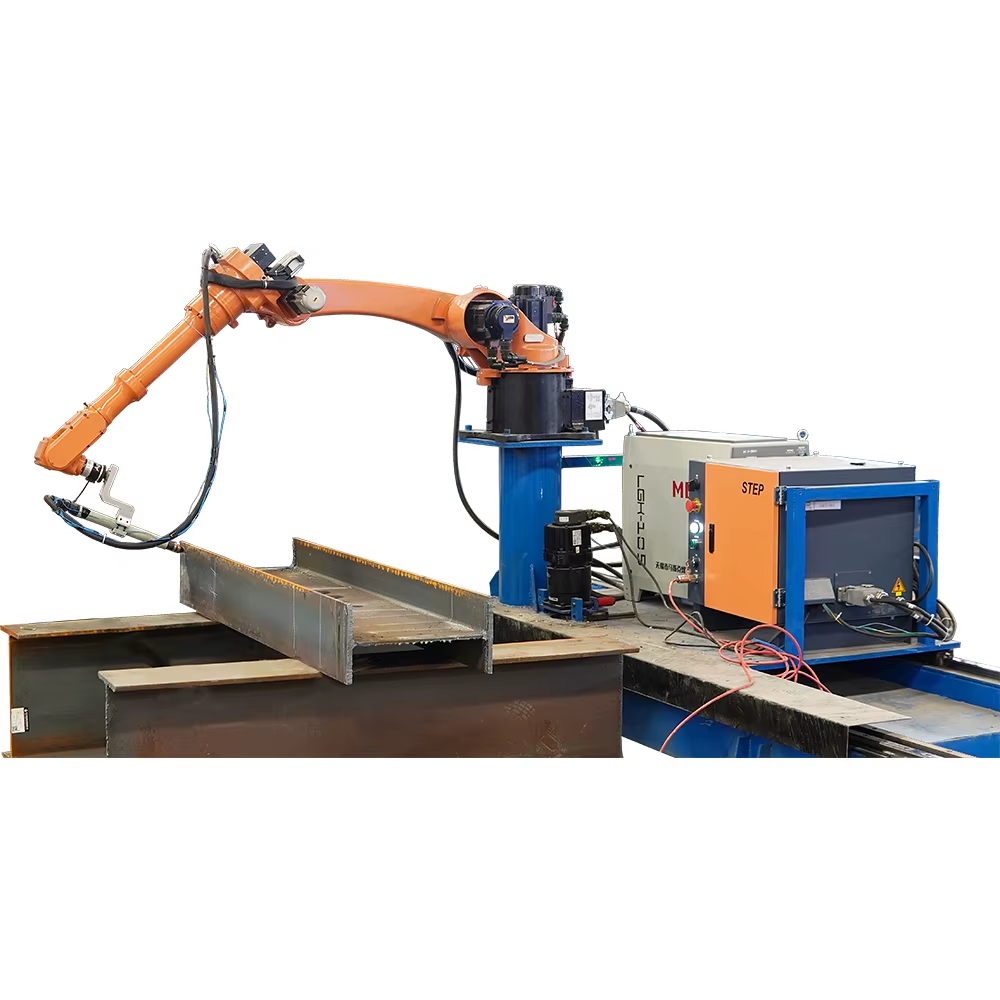
Роботтандырылған автоматтандырудың 4-ші өнеркәсіптік революцияға қосқан үлесі
Циклды жабу: Роботтандырылған автоматтандыруды IoT сенсорлары мен жасанды интеллектке негізделген талдау жүйелерімен интеграциялау
Роботтандырылған автоматтандыру қазір 4-ші өнеркәсіптік революцияның (Industry 4.0) операциялары үшін маңызды болып табылады. Ол IoT датчиктері мен жасанды интеллектінің аналитикасымен қол қосып, барлығының саулады жұмыс істеуін қамтамасыз етеді. Зауыттың өндірістік машиналарына тікелей орнатылған датчиктер олардың жұмыс істеу сапасы, температурасы, пайда болатын тербелістер, сонымен қатар оларды қоршаған ортаның факторлары туралы әртүрлі нақты уақыттағы ақпаратты жинақтайды. Содан кейін жасанды интеллектінің кезегі келеді: бұл модельдер жинақталған барлық деректерді қабылдап, қатты есептеулер жүргізеді. Олар шынымен-ақ жабдықтардың зақымдануын алдын ала болжай алады, қажет болған жағдайда параметрлерді автоматты түрде реттейді және барлық өндірістік процестерді дәлме-дәл баптайды. Біз мұнда өзін-өзі оқып, өзін-өзі баптайтын жүйені көреміз. Мысалы, алдын ала техникалық қызмет көрсету (predictive maintenance) қарастырайық. Зауыттар осындай технологияларды енгізген кезде, көптеген зауыттарда күтпеген тоқтап қалулар шамамен екі есе азаяды. Кейбір өндірушілер өнім сапасының тұрақтылығында 20%-дан астам жақсару туралы хабарлайды. Бұл көрсеткіштер заманауи өндірістің маңызды аспектісін көрсетеді: егер машиналар деректер арқылы бір-бірімен сөйлесе, онда барлық қатысушылар ақылды шешімдер қабылдаудан, қателердің азаюынан және нәтижесінде шығындардың төмендеуінен пайда көреді.
Жағдай зерттеуі: Толық құрамды роботтандырылған автоматтандыру арқылы 99,9988% сапа көрсеткішін қол жеткізген белгілі бір европалық өндіруші
Соңғы кезде бір ірі европалық электроника компаниясы өзінің күрделі жинау сызықтарында толық роботтандырылған автоматтандыруды енгізді; бұл адамдармен қатар жұмыс істейтін роботтарды, камералармен бақыланатын ақылды тексеру жүйелерін және икемді басқару механизмдерін біріктірді. Нәтижесінде олар 99,9988% деген таңғажайып сапа деңгейін қол жеткізді, яғни әрбір миллион өнімнің ішінде екі ғана нашар сапалы өнім шығады. Жүйенің нақты уақытта қайтарым байланысы оларға ақауларды дер кезінде анықтауға мүмкіндік берді, нәтижесінде шығындалған материалдар шамамен 40%-ға азайды. Алғашқы қателерді түзетуге кететін шығындар азая түскенімен, өнімнің бастапқы сапасы жақсарғанымен және жұмысшылар қайталанатын жұмыстардың орнына басқа тапсырмаларға назар аудара алғанымен, компания өз инвестицияларын 22 айдан кем уақыт ішінде қайтарды. Бұл жағдай ақылды автоматтандыруға инвестициялау тек жақсы инженерлік ғана емес, сонымен қатар тиімді бизнес-шешім екенін айқын көрсетеді.
Роботтандырылған автоматтандырудың өлшемдік бизнес-әсері
Цикл уақытының қысқаруы, жарақаттардың алдын алу және бірінші деңгейлі автомобиль өндірісіндегі дәлдіктің артуы
Бірінші деңгейлі автокөлік өндірушілер үшін роботтар үш негізгі салада нағыз пайданы әкеледі: өндірістің жылдамдығының артуы, жұмысшылардың қауіпсіздігінің жақсаруы және дәлдіктің жақсаруы. Дәл осындай қайталанатын операцияларды — мысалы, дәнекерлеу, материалдарды құю немесе бөлшектерді орын ауыстыру — машиналар атқаратын болса, цикл уақытын 20%-дан 110%-ға дейін қысқартуға болады. Бұл зауыттардың сапасын тұрақты ұстап отырып, көбірек көлік өндіруін білдіреді. Адамдарды престердің жолдары немесе бояу бокстары ішіндегі қауіпті аймақтардан алыстау да жұмыс орнын қауіпсіз етеді. Автоматтандыруды енгізгеннен кейін қазіргі зерттеулерге сәйкес, апаттар саны шамамен 80%-ға төмендейді, ал компаниялар қауіпсіздікке байланысты шығындарын 20%-дан 60%-ға дейін үнемдейді. Алайда, ең маңызды жетістік — роботтардың өте жоғары дәлдігі. Құрылымдық дәнекерлеу мен ұсақ детальдарды жинау сияқты жұмыстарда олардың миллиметрден кем дәлдігі адамдардың әдеттегі нәтижелерімен салыстырғанда ақаулар санын шамамен 90%-ға дейін азайтады. Барлық осы жақсартулар біріктірілгенде, көліктердің жұмыс істеу сапасына, кепілдік бойынша талаптарға немесе өндірушінің репутациясына тіпті ең аз ауытқулар әсер ететін кезде өте үлкен айырмашылық туғызады.
ROI уақыт сызығы мен өнімділіктің артуы: Deloitte-тің 2023 жылғы әлемдік роботтама зерттеуінен алынған дәлелдер
Deloitte-тің 2023 жылғы әлемдік роботтама зерттеуі зауыттардың өндірістік алаңдарында роботтардың бизнес-аргументі толық қалыптасқанын көрсетеді. Саладағы басқарушылардың шамамен 76%-ы қазір автоматтандыруды өз стратегиялары үшін міндетті элемент ретінде қабылдайды, негізінен оның қазіргі кезде тез тиімділігін беретіні және уақыт өте келе құны үнемі өсіп отыратыны сондықтан. Көпшілік компаниялар қазір өздерінің инвестицияларын барынша 1,5–3 жыл ішінде қайтарып алады, бұл он жыл бұрын байқалған 5 жылдан аса күтуден едәуір жақсы нәтиже. Бұл жақсару нәтижесінде негізгі өндірістік операцияларда 30–50% артық жұмыс атқарылады. Бұл неге болады? Алдымен, машиналар ауысу сағаттары туралы қамынсыз үздіксіз жұмыс істей алады; екіншіден, олар әрбір реттік операцияны тұрақты түрде орындай отырып, шамамен ешқандай шығын туғызбайды; үшіншіден, дәстүрлі әдістерге қарағанда өндірістік алаңның 1 шаршы метріне 25–45% артық өнім шығарады. Қызығы, жұмысшылар толығымен орынбасылмайды. Олардың орнына олар жүйелерді бақылау, ақауларды жою және үнемі процестерді жақсарту сияқты рөлдерге көшеді, сондықтан адамдар машиналар рутинды тапсырмаларды атқарып жүрген кезде де әлі де маңызды рөл атқарады.
| Өнімділік метрикасы | Қолмен баптау процесі | Роботтандырылған автоматтандырумен | Жақсарту |
|---|---|---|---|
| Өндірістік өткізу | 100 бірлік/сағ | 130–150 бірлік/сағ | 30–50% |
| Беті дефектілік дәрежесі | 3–5% | 0.2–0.5% | 90% |
| Қауіпсіздік оқиғасының жиілігі | 4,2/жылына | 0,8/жыл | 81% |
| Қайтарым мерзімі (ROI Period) | 5 жылдан астам | 1,5–3 жыл | 60% |
Қатты жолдардан тыс: икемді және масштабталатын роботтандырылған автоматтандыру
Икемді, аз көлемді, әртүрлі өнімдерді шығаратын өндірісті қамтамасыз ететін ынтымақтастық роботтары (коботтар)
Бүгінгі күні роботттық автоматтандыру үшін енді осындай ауыр инфрақұрылым қажет емес және орнатуға да уақыт кетпейді. Біз қазір жеңіл салмақты ынтымақтастық роботтарды, яғни ISO стандарттарына сай келетін және «коботтар» деп аталатын роботтарды көріп отырмыз; оларды қысқа уақыт ішінде бір жерден екінші жерге оңай көшіруге болады. Олардың қарапайым бағдарламалау мүмкіндіктері мен ішкі орналасқан ақылды функциялары арқасында әртүрлі тапсырмаларға ауысу барысында бірнеше минут ғана кетеді. Дәстүрлі автоматтандыру жабдықтары мұндай жабдықтардан ешқандай ұқсас емес. Коботтар адамдармен бірге қауіпсіз жұмыс істей алады және барлық жүйені толығымен қайта жинауды қажет етпей-ақ әртүрлі өнімдерді өңдей алады. Мысалы, автомобиль зауыттарында осындай икемді коботтарды жинау сызықтарында қолдану басталды, онда седан мен SUV модельдері бірігіп шығарылады. Модельдер арасында ауысуға кететін уақыт әлдеқайда қысқарды — шамамен 85–90% шамасында. Электроника компаниялары да осындай істерді істеп жүр. Олардың коботтары бір ғана жұмыс күні ішінде смартфондар мен кішігірім киімдік құрылғыларды шығару арасында кезектесіп ауыса алады, сонымен қатар қатаң сапа стандарттарын сақтау үшін қажетті дәлдікті де қамтамасыз етеді. Бұл қызығушылық туғызатын нәрсе — бұл технология масштабты тұтынушыға бағытталған өндірістің мүмкіндіктерін ашады. Компаниялар сапа сақталатын, өндіріс аумағы тиімді пайдаланылатын және жұмысшылардың икемділігі сақталатын кішігірім сынақтық сериялардан бастап, одан кейін өндіріс көлемін жоғарылатуға мүмкіндік алады.
Роботтандырылған автоматтандырумен қатар жұмыс күшінің дамуы
Роботтандырылған автоматтандыру туралы сөз болғанда, біз жұмыстардың ауысуын, алмастырылуын көріп отырмыз. Қайталанатын, дене қозғалысын қажет ететін жұмыстар қазір машиналар арқылы орындалады, бұл қызметкерлерді роботтарды бақылау, оларға қашан техникалық қызмет көрсету керектігін жоспарлау, өнім сапасының деректерін талдау және әртүрлі жүйелердің бірлесіп жұмыс істеуін қамтамасыз ету сияқты ақылды істерге босатады. Қазіргі кезде компаниялар әртүрлі дағдыларға ие болған жұмысшылардың қажеттілігін сезінуде — бағдарламалау қабілеттері, сандық деректерді түсіну және әртүрлі бөлімдер арасындағы мәселелерді шешу. Орталық Американың әртүрлі зауыттары қызықты бір нәрсені байқады: технологиялық қызметке ауысқан қызметкерлер бұрынғыдан 10–25 пайызға ұзағырақ қызмет істейді. Олар сонымен қатар қанағаттанғанын көрсетеді, жұмыс орнындағы жарақаттар саны азаяды. Бұл технология адамдардың қажетсіз болуына әкелмейді, керісінше, ол бизнеске беріктік береді. Ол қызметкерлердің жетіспеушілігінен туындайтын қиындықтарға төзімділік береді және адамдар мен машиналар өндіріс сызығында бірлесіп жұмыс істейтін ақылды өндіріс жүйелерінің орталығында білікті қызметкерлерді сақтайды.
Жиі қойылатын сұрақтар
Industry 4.0 дегеніміз не?
Industry 4.0 — бұл заманауи ақылды технологияларды қолдана отырып, дәстүрлі өндіріс пен өнеркәсіптік тәжірибелердің автоматтандырылуын көрсететін ұғым.
Роботттық автоматтандыру өндіріс процестерін қалай жақсартады?
Роботттық автоматтандыру цикл уақытын қысқарту, қателерді азайту және дәлдікті жақсарту арқылы өндірісті жақсартады, бұл нәтижесінде жалпы тиімділік пен өнім сапасы артады.
Коллаборативті роботтар дегеніміз не?
Әрекеттесу роботтары немесе коботтар адамдармен қауіпсіз қатар жұмыс істеуге арналған және жиі икемді, әртүрлі өнімдерді шығаратын өндіріс ортасында қолданылады.
Роботттық автоматтандырудан ROI (инвестициялардың қайтарылуы) қашан көрінеді?
Deloitte-тің 2023 жылғы әлемдік роботттық зерттеуіне сәйкес, көптеген компаниялар роботттық автоматтандырудан инвестициялардың қайтарылуын 1,5–3 жыл ішінде бақылайды.