
 EN
EN
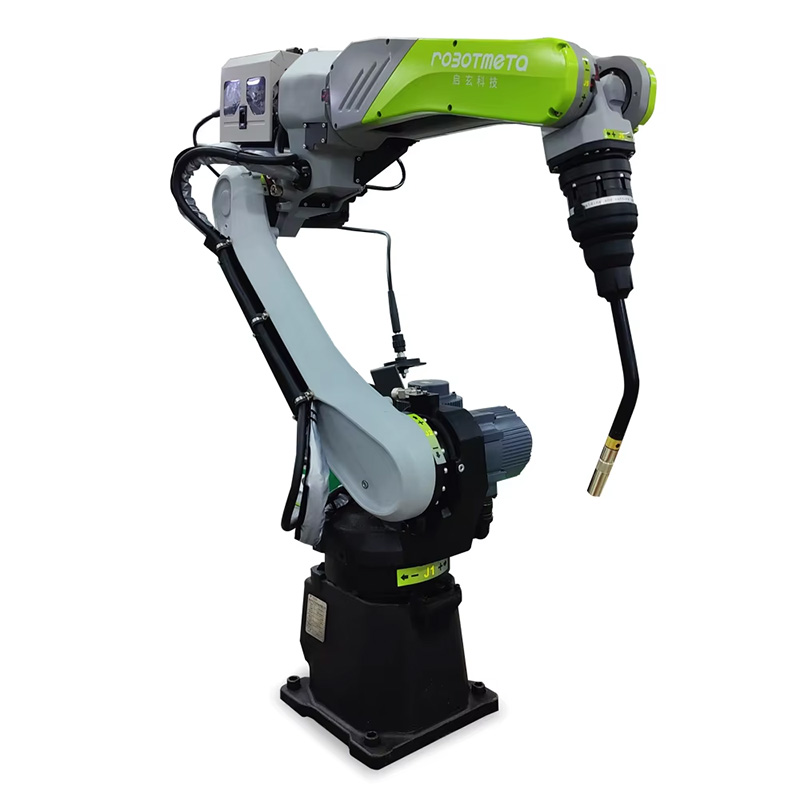
आधुनिक विनिर्माण में सहयोगी रोबोट्स और उनकी भूमिका की समझ
सहयोगी रोबोट (कोबॉट्स) औद्योगिक स्वचालन में एक प्रतिमानांतरिक परिवर्तन का प्रतिनिधित्व करते हैं, जो उन्नत सुरक्षा प्रणालियों को मानव-केंद्रित डिज़ाइन के साथ जोड़ते हैं। पारंपरिक औद्योगिक रोबोट्स के विपरीत जो सुरक्षा पिंजरों तक सीमित होते हैं, कोबॉट्स सेंसर, बल-सीमित करने वाली तंत्र और वास्तविक समय वातावरण जागरूकता का उपयोग करके कार्यकर्ताओं के साथ संचालित होते हैं—उत्पादन की शुद्धता बनाए रखते हुए सुरक्षित सहयोग को सक्षम करते हैं।
सहयोगी रोबोट क्या हैं और वे कैसे काम करते हैं?
सहयोगी रोबोट (कोबॉट्स) अनुकूलनशील ग्रिपर और दृष्टि प्रणालियों के माध्यम से सटीक असेंबली से लेकर गुणवत्ता निरीक्षण तक कार्य करते हैं। प्रदर्शन के माध्यम से सीखने की उनकी क्षमता प्रोग्रामिंग जटिलता को कम कर देती है, जिससे विविध कार्यप्रवाह में त्वरित तैनाती संभव होती है। इंटरनेशनल फेडरेशन ऑफ रोबोटिक्स द्वारा 2023 में जारी एक रिपोर्ट दिखाती है कि वर्ष-दर-वर्ष कोबॉट स्थापना में 28% की वृद्धि हुई है, जो उनकी संचालन सार्वत्रिकता को दर्शाता है।
उद्योग 4.0 में मानव-रोबोट सहयोग का विकास
उद्योग 4.0 की उन्नति ने कोबॉट्स को सरल सहायकों से लेकर डेटा-एकीकृत टीम सदस्यों में बदल दिया है जो पूर्वानुमान रखरखाव और प्रक्रिया अनुकूलन के लिए सक्षम हैं। आधुनिक प्रणालियाँ मशीनिंग कार्यों में <25 μm पुनरावृत्ति योग्यता प्राप्त करती हैं, जबकि पारंपरिक स्वचालन की तुलना में सेटअप समय में 60% की कमी आती है (मैन्युफैक्चरिंग टेक्नोलॉजी रिव्यू 2024)।
2024 में कोबॉट्स अपनाने को बढ़ावा देने वाले प्रमुख रुझान
- श्रम लागत अनुकूलन : कोबॉट्स कुशल श्रमिकों की कमी को दूर करते हैं, जिससे एसएमई में श्रम व्यय में 34% तक की कमी आती है (एबीआई रिसर्च 2024)
- ऊर्जा दक्षता : अगली पीढ़ी के मॉडल अपने पिछले संस्करणों की तुलना में 40% कम बिजली की खपत करते हैं
- अनुकूलन की मांग : ऑटोमोटिव आपूर्तिकर्ताओं में से 78% अब कम उत्पादन मात्रा वाले, उच्च मिश्रण उत्पादन के लिए कोबॉट्स का उपयोग करते हैं
इन विकासों ने कोबॉट्स को ऐसे उपकरणों के रूप में स्थापित किया है जो अस्थिर बाजारों में लचीलेपन और लागत नियंत्रण के बीच संतुलन बनाए रखने के लिए निर्माताओं के लिए आवश्यक हैं।
निर्माण में सहयोगी रोबोट्स के मुख्य अनुप्रयोग
सहयोगी रोबोट (कोबॉट्स) मानव ऑपरेटर्स के साथ काम करते हुए उच्च-मूल्य वाले कार्यों को निष्पादित करके निर्माण क्षेत्र को बदल रहे हैं। इनकी अनुकूलन क्षमता और सुरक्षा सुविधाएं इन्हें विविध औद्योगिक अनुप्रयोगों के लिए उपयुक्त बनाती हैं, जिनमें सामग्री हैंडलिंग, असेंबली और गुणवत्ता नियंत्रण प्रमुख उपयोग के मामले के रूप में उभर रहे हैं।
उद्योगों में कोबॉट्स के व्यावहारिक अनुप्रयोग
ऑटोमोटिव उत्पादन लाइनों से लेकर इलेक्ट्रॉनिक्स असेंबली तक, कोबॉट्स परिशुद्धता-आधारित कार्यों में उत्कृष्ट प्रदर्शन करते हैं। हाल के एक ऑटोमोटिव उद्योग विश्लेषण में पाया गया कि सेंसर स्थापना और आंतरिक ट्रिमिंग जैसी द्वितीयक असेंबली प्रक्रियाओं के लिए 68% निर्माता कोबॉट्स का उपयोग करते हैं। यह लचीलापन फार्मास्युटिकल प्रयोगशालाओं तक फैला हुआ है, जहां कोबॉट्स नाजुक वायल पैकेजिंग को संभालते हैं, और खाद्य प्रसंस्करण संयंत्रों में, जहां वे उत्पाद छंटाई के दौरान स्वच्छता मानकों को बनाए रखते हैं।
सामग्री हैंडलिंग स्वचालन: एक उच्च-प्रभाव उपयोग का मामला
कोबॉट्स सामग्री हैंडलिंग के कार्यों में मस्कुलोस्केलेटल चोटों को 42% तक कम कर देते हैं (ऑक्यूपेशनल सेफ्टी इंस्टीट्यूट, 2024)। वे स्वचालित रूप से स्टेशनों के बीच कच्चे माल का परिवहन करते हैं, सीएनसी मशीनों को लोड/अनलोड करते हैं, और भंडारगृहों में सूची का प्रबंधन करते हैं। एक प्रमुख ऑटोमोटिव आपूर्तिकर्ता ने जस्ट-इन-टाइम भाग डिलीवरी के लिए मोबाइल कोबॉट्स तैनात करने के बाद उत्पादन चक्रों में 31% तेजी की रिपोर्ट दी।
असेंबली, निरीक्षण और पैकेजिंग: कोबॉट उपयोग के मामलों का विस्तार
उन्नत दृष्टि प्रणालियाँ कोबॉट्स को इलेक्ट्रॉनिक्स में सूक्ष्म सोल्डरिंग करने के साथ-साथ गुणवत्ता जांच भी करने में सक्षम बनाती हैं। विनिर्माण दक्षता अध्ययनों से पता चलता है कि कोबॉट्स अनियमित आकार वाली वस्तुओं को संभालने वाली अनुकूली ग्रिप प्रौद्योगिकियों के माध्यम से उपभोक्ता वस्तुओं में पैकेजिंग त्रुटियों को 57% तक कम कर देते हैं।
धातु एवं मशीनीकरण वातावरण में कोबॉट्स का उपयोग
धातु निर्माण में, कोबॉट्स ग्राइंडिंग के दौरान चिंगारियों और कणों का सामना करते हुए भी ±0.02मिमी की परिशुद्धता बनाए रखते हैं। मिडवेस्ट की एक मशीन शॉप ने सीएनसी मिल्स में उपकरण बदलने के लिए कोबॉट्स का उपयोग करके 24/7 उत्पादन क्षमता प्राप्त की, जिससे मैनुअल संचालन की तुलना में मशीन निष्क्रिय समय में 63% की कमी आई।
सहयोगी रोबोट एकीकरण से उत्पादकता लाभ को मापना
कोबॉट्स तेज उत्पादन समय और बढ़ी हुई उत्पादन दर को कैसे सक्षम बनाते हैं
कोबॉट्स फैक्ट्रियों में काम करने के तरीके को बदल रहे हैं, जो चीजों को इकट्ठा करने या सामग्री को आसपास ले जाने जैसे उन उबाऊ दोहराव वाले कार्यों को संभाल रहे हैं। वास्तव में इन्होंने चक्र समय में काफी कमी की है—2024 में IFR की हालिया उद्योग रिपोर्ट के अनुसार लगभग 15 से 30 प्रतिशत तक। पुराने स्कूल के रोबोट्स से इनका अंतर यह है कि इन्हें विशेष सुरक्षा आवरण की आवश्यकता नहीं होती, बल्कि ये दुकान के तल पर लोगों के ठीक बगल में काम कर सकते हैं। इसका अर्थ है कि जब उत्पादन में कुछ बदलाव होता है, तो बंदी के लिए प्रतीक्षा करने के बजाय लगभग तुरंत समायोजन हो जाते हैं। हाल ही में हमने एक खाद्य पैकेजिंग ऑपरेशन का अध्ययन किया जहाँ उन्होंने पैलेटाइज़िंग कार्यों के लिए कोबॉट्स को लागू किया। परिणाम? उनका उत्पादन लगभग 22% तक बढ़ गया, बिना उस प्रक्रिया के अन्य हिस्सों में कोई बदलाव किए जहाँ कर्मचारी अभी भी मैन्युअल रूप से अपना काम कर रहे थे।
डेटा अंतर्दृष्टि: उत्पादन दक्षता में औसतन 37% सुधार
120 निर्माताओं पर 2023 के एक अध्ययन में पता चला कि कोबॉट अपनाने से माध्यिका 37% दक्षता लाभ 12 महीनों के भीतर। प्रमुख कारकों में शामिल थे:
- उत्पादन चरणों के बीच निष्क्रिय समय में 43% कमी
- अनुकूली ग्रिपर्स और विज़न सिस्टम के माध्यम से परिवर्तन में 29% तेज़ी
- सटीक पुनरावृत्ति के माध्यम से गुणवत्ता दोषों में 62% कमी
ये मापदंड 14 महीने के औसत आरओआई (ROI) के लिए अनुवादित होते हैं, जिसमें उच्च-मिश्रण सुविधाओं को कोबॉट्स की त्वरित पुनःप्रोग्रामिंग क्षमताओं से अधिकतम लाभ मिलता है।
कोबॉट तैनाती को समग्र विनिर्माण फर्म के प्रदर्शन से जोड़ना
2024 में रोबोटिक्स एंड कंप्यूटर इंटीग्रेटेड मैन्युफैक्चरिंग में प्रकाशित एक अध्ययन में दिखाया गया कि सहयोगी रोबोट (कोबॉट्स) वास्तव में संचालन के अनुकूलन की गति में वृद्धि करते हैं। मांग में बदलाव के समय, स्वचालन के बिना स्थापनाओं की तुलना में कोबॉट्स का उपयोग करने वाली फैक्ट्रियां लगभग 31 प्रतिशत तेज़ी से प्रतिक्रिया करती हैं। जब निर्माता कोबॉट्स को औद्योगिक इंटरनेट ऑफ थिंग्स सेंसर के साथ जोड़ते हैं, तो उन्हें लगभग 19% बेहतर उपकरण उपयोग दर प्राप्त होती है। इसका अर्थ वास्तव में उनके लाभ में लगभग 9.2% की वृद्धि होती है। इस तकनीक को शुरुआत में अपनाने वाली कंपनियां भी कुछ काफी प्रभावशाली देख रही हैं—उनके ग्राहक समग्र रूप से अधिक खुश लगते हैं। प्रारंभिक अपनाने वालों ने बताया है कि आदेश अब बहुत अधिक सटीकता से पूरे होने के कारण उनकी संतुष्टि दर लगभग 27% अधिक है।
जब स्वचालन प्रदर्शन में सुधार नहीं करता: महत्वपूर्ण विचार
हालांकि 83% कोबॉट लागूकरण दक्षता लक्ष्यों को पूरा करते हैं (मैकिन्सी 2023), विफलताएं आमतौर पर निम्नलिखित कारणों से उत्पन्न होती हैं:
- गलत तरीके से चुने गए कार्य : कम मात्रा वाली, उच्च जटिलता वाली भूमिकाओं में कोबॉट्स का प्रदर्शन कम होना
- अपर्याप्त कार्यबल प्रशिक्षण : 58% अल्प-प्रदर्शन कर रहे तैनाती में क्रॉस-प्रशिक्षित ऑपरेटर की कमी है
- प्रक्रिया खंडन : ऊपरी/निचले प्रवाह कार्यप्रवाहों को अनुकूलित किए बिना अलग-थलग कार्यों का स्वचालन
एक टियर-1 एयरोस्पेस आपूर्तिकर्ता ने MES सॉफ़्टवेयर के साथ कोबॉट्स के एकीकरण द्वारा 15% उत्पादकता गिरावट को उलट दिया, जो समग्र प्रक्रिया पुनर्डिजाइन की आवश्यकता को रेखांकित करता है।
सहयोगी रोबोट लागू करने की लागत दक्षता और आरओआई
सुधरी हुई लागत दक्षता के साथ श्रम लागत और त्रुटि दर में कमी
सहयोगी रोबोट (कोबॉट्स) उन उबाऊ, दोहराव वाले कामों को संभालकर सटीकता को बरकरार रखते हुए श्रम लागत की समस्याओं का सीधे सामना करते हैं। जिन फैक्ट्रियों ने इन सहयोगी रोबोट्स को अपनाया है, उन्हें अपने कर्मचारियों को बेहतर वेतन वाले पदों पर स्थानांतरित करने पर लगभग 37% तक श्रम लागत में कमी देखने को मिली है। इसके अलावा, गलतियाँ भी नाटकीय रूप से कम हो जाती हैं—पिछले साल पोनेमन के अनुसंधान के अनुसार कुल मिलाकर लगभग 63% कम त्रुटियाँ। कोबॉट्स को पुराने ढंग की स्वचालन प्रणाली से क्या अलग करता है? उन्हें सुरक्षा उपकरणों के उन महंगे सेटों की आवश्यकता नहीं होती, जिससे प्रारंभिक स्थापना लागत लगभग आधी रह जाती है—कभी-कभी लागत में 50% तक की कमी आती है। एक वास्तविक मामले पर विचार करें: एक कंपनी ने प्रति वर्ष प्रत्येक कर्मचारी को 1,800 कार्य घंटों के लिए प्रति घंटा 25 डॉलर के हिसाब से भुगतान करने के बजाय एक कोबॉट प्रणाली पर 30,000 डॉलर खर्च किए। निवेश महज डेढ़ साल से थोड़े अधिक समय में वसूल हो जाता है, और अब असेंबली लाइन या गुणवत्ता जांच के दौरान मानवीय गलतियों की समस्या भी खत्म हो जाती है।
| लागत कारक | सहयोगी रोबोट | पारंपरिक रोबोट |
|---|---|---|
| औसत प्रारंभिक लागत | $20k–$40k | $75k–$150k |
| एकीकरण जटिलता | कम (सप्ताह) | अधिक (महीने) |
| विशिष्ट ROI अवधि | 12–30 महीने | 36–60 महीने |
डेटा: 2024 कोबॉट आरओआई विश्लेषण (IDTechEx)
आरओआई का विस्तार: दीर्घकालिक बचत बनाम प्रारंभिक निवेश
कोबॉट्स के लिए आरओआई समीकरण केवल हार्डवेयर लागत तक सीमित नहीं है। यद्यपि प्रणाली एकीकरण और प्रशिक्षण प्रारंभिक खर्चों का 30–45% हिस्सा बनाते हैं, निर्माता इसके माध्यम से स्थायी बचत प्राप्त करते हैं:
- शिफ्ट की सीमाओं के बिना 24/7 संचालन
- वेल्डिंग/पिक-एंड-प्लेस कार्यों में 0.01 मिमी सटीकता
- नई उत्पाद लाइनों के लिए त्वरित पुनः प्रोग्रामिंग
एक प्रमुख ऑटोमोटिव आपूर्तिकर्ता ने पांच वर्षों में 214% आरओआई इलेक्ट्रॉनिक घटक असेंबली के लिए कोबॉट्स के उपयोग से प्राप्त किया, जिससे दोषों में 89% की कमी आई और प्रतिवर्त लागत में वार्षिक 1.2 मिलियन अमेरिकी डॉलर की बचत हुई।
प्रारंभिक लागत को स्थायी संचालन लाभ के साथ संतुलित करना
जो निर्माता अपने कोबॉट खरीद पर मूल्य प्राप्त करना चाहते हैं, वे अक्सर एक साथ पूरा निवेश करने के बजाय चरणबद्ध तरीका अपनाते हैं। शुरुआत करने के लिए सबसे उपयुक्त स्थान वे होते हैं जहां उन्हें त्वरित परिणाम दिखाई दे सकें, जैसे मशीन टेंडिंग ऑपरेशन्स, जो आमतौर पर कोबॉट्स के उपयोग से लगभग 40 प्रतिशत तेजी से चलते हैं, या गुणवत्ता जांच जहां ये रोबोट ऐसी त्रुटियों का लगभग 98 प्रतिशत हिस्सा पकड़ लेते हैं जो अन्यथा छूट सकती हैं। एक बार जब कंपनियां अपने निवेश पर ठोस रिटर्न देखना शुरू कर देती हैं, तो वे आमतौर पर कारखाने के अन्य हिस्सों में अपने रोबोट उपयोग का विस्तार कर देती हैं। जो प्लांट सहयोगी रोबोट्स को लाइव उत्पादन ट्रैकिंग प्रणालियों के साथ जोड़ने में सफल होते हैं, आमतौर पर उनके द्वारा खर्च किए गए प्रत्येक डॉलर के लिए लगभग 19 प्रतिशत अधिक उत्पादन करते हैं, तुलना में उन प्लांट्स के जो केवल आंशिक स्वचालन समाधानों तक सीमित रहते हैं। यह तर्कसंगत है क्योंकि चीजों के संचालन के बारे में पूर्ण दृश्यता होने से बाद की सभी चीजों को अनुकूलित करने में मदद मिलती है।
छोटे और मध्यम आकार के उद्यम कोबॉट्स से सबसे अधिक क्यों लाभान्वित होते हैं
लघु और मध्यम उद्यमों (एसएमई) के लिए प्रवेश के अवसरों में आसानी
लघु और मध्यम उद्यमों के लिए, सहयोगी रोबोट या कोबॉट्स ऑटोमेशन को सुलभ बना रहे हैं, जहाँ पहले धन और जटिल तकनीकी चुनौतियों के कारण यह दूर की बात थी। पारंपरिक औद्योगिक रोबोट्स के लिए लगभग 100,000 डॉलर से शुरू होने वाले बड़े निवेश के साथ-साथ विशेष सेटअप की आवश्यकता होती है, जबकि अधिकांश कोबॉट्स की प्रारंभिक खरीद कीमत में आधे से लेकर तीन-चौथाई तक कम खर्च आता है। इन्हें वास्तव में आकर्षक बनाने वाली बात यह है कि बिना महंगे संशोधनों के वर्तमान उत्पादन सेटअप में इन्हें स्थापित करना कितना आसान है। कई फैक्ट्रियों के पास बड़ी खरीदारी के लिए गहरी तिजोरी नहीं होती, इसलिए यह बात बहुत महत्वपूर्ण है। हाल की उद्योग रिपोर्ट्स को देखें, तो लगभग पांच में से चार स्थापनाएं 250 से कम कर्मचारियों वाले व्यवसायों में होती हैं। इससे पता चलता है कि ये रोबोट छोटे पैमाने के उत्पादन की आवश्यकताओं के साथ बेहतर तरीके से कैसे फिट बैठते हैं।
लचीला कोबॉट तैनाती एसएमई के लिए त्वरित स्केलिंग को सक्षम करता है
सहयोगी रोबोट इसलिए खास हैं क्योंकि वे विभिन्न कार्यों के अनुकूल हो सकते हैं, जिसका अर्थ है कि छोटे और मध्यम उद्यमों को स्वचालन के लाभ प्राप्त करने के लिए अपने पूरे कार्यप्रवाह को पूरी तरह से पुनः संरचित करने की आवश्यकता नहीं होती। एक सामान्य ऑटोमोटिव घटक निर्माता को उदाहरण के तौर पर लें। वे असेंबली लाइनों पर पेंच कसने के लिए एक कोबॉट को काम पर लगाकर शुरुआत कर सकते हैं, फिर धीरे-धीरे आगे उत्पाद की गुणवत्ता की जाँच के लिए एक अन्य इकाई को शामिल कर सकते हैं। इस तरह की चरणबद्ध व्यवस्था से नई तकनीक को संचालन में लाने के जोखिम कम हो जाते हैं, और व्यवसाय अक्सर कुछ ही महीनों के भीतर, निवेश पर वास्तविक रिटर्न देखते हैं। अधिकांश कोबॉट्स का वजन संकुचित डिज़ाइन के कारण तीस पाउंड से कम होता है, और उनमें टकराव का पता लगाने वाले सेंसर भी लगे होते हैं। ये विशेषताएँ उन्हें छोटे निर्माण स्थलों के लिए आदर्श बनाती हैं जहाँ फर्श का क्षेत्र सीमित होता है और सुरक्षा नियम अन्यथा पचास हजार वर्ग फुट से कम क्षेत्रफल वाले संचालन के लिए लागत को काफी बढ़ा देते हैं।
केस अध्ययन: मिड-साइज़्ड धातु निर्माता कोबॉट्स के साथ उत्पादन दोगुना करता है
2023 में हाइड्रोलिक घटकों का निर्माण करने वाले विस्कॉन्सिन स्थित एक निर्माता को 40% श्रम की कमी का सामना करना पड़ा। सीएनसी मशीन टेंडिंग और डीबरिंग कार्यों के लिए तीन कोबॉट्स को लागू करके, उन्होंने प्राप्त किया:
- रात्रि उत्पादन क्षमता में 112% की वृद्धि
- मशीनिंग त्रुटियों में 62% की कमी
- 14 महीनों के भीतर पूर्ण ROI
कोबॉट्स का सहज प्रोग्रामिंग इंटरफ़ेस मौजूदा मशीनिस्टों को वार्षिक रूप से 800+ घंटे मूल्य-वर्धित इंजीनियरिंग कार्यों में पुनः तैनात करने में सक्षम बनाता है। यह परिणाम उद्योग के व्यापक प्रवृत्ति के अनुरूप है जहाँ कोबॉट्स का उपयोग करने वाले एसएमई गैर-स्वचालित समकक्षों की तुलना में 18–34% अधिक लाभप्रदता की रिपोर्ट करते हैं।
निर्माण में सहयोगी रोबोट्स पर अक्सर पूछे जाने वाले प्रश्न
कोबॉट्स को पारंपरिक औद्योगिक रोबोट्स से क्या अलग करता है?
कोबॉट्स को सुरक्षा पिंजरों की आवश्यकता के बिना मनुष्यों के साथ काम करने के लिए डिज़ाइन किया गया है, जिसके लिए उनके उन्नत सेंसर, बल-सीमित करने वाले तंत्र और वास्तविक समय वातावरण जागरूकता के लिए धन्यवाद है।
श्रम लागत को कम करने में कोबॉट्स कैसे सहायता करते हैं?
दोहराव वाले कार्यों को स्वचालित करके, कोबॉट्स मानव श्रमिकों को उच्च-मूल्य वाले कार्यों पर ध्यान केंद्रित करने की अनुमति देते हैं, जिससे श्रम व्यय में 37% तक की कमी आती है।
विनिर्माण में कोबॉट्स के मुख्य अनुप्रयोग क्या हैं?
कोबॉट्स का उपयोग सामग्री हैंडलिंग, असेंबली, गुणवत्ता निरीक्षण में किया जाता है, और उच्च सटीकता की आवश्यकता वाले वातावरण में विशेष रूप से प्रभावी होते हैं।
कोबॉट्स उत्पादन दक्षता में सुधार कैसे करते हैं?
वे निष्क्रिय समय को कम करते हैं और त्वरित परिवर्तन तथा कम गुणवत्ता दोष सक्षम करते हैं, जिसके परिणामस्वरूप अपनाए जाने के 12 महीनों के भीतर माध्य रूप से 37% दक्षता लाभ होता है।
विषय सूची
- आधुनिक विनिर्माण में सहयोगी रोबोट्स और उनकी भूमिका की समझ
- निर्माण में सहयोगी रोबोट्स के मुख्य अनुप्रयोग
- सहयोगी रोबोट एकीकरण से उत्पादकता लाभ को मापना
- सहयोगी रोबोट लागू करने की लागत दक्षता और आरओआई
- छोटे और मध्यम आकार के उद्यम कोबॉट्स से सबसे अधिक क्यों लाभान्वित होते हैं
- निर्माण में सहयोगी रोबोट्स पर अक्सर पूछे जाने वाले प्रश्न