
 EN
EN
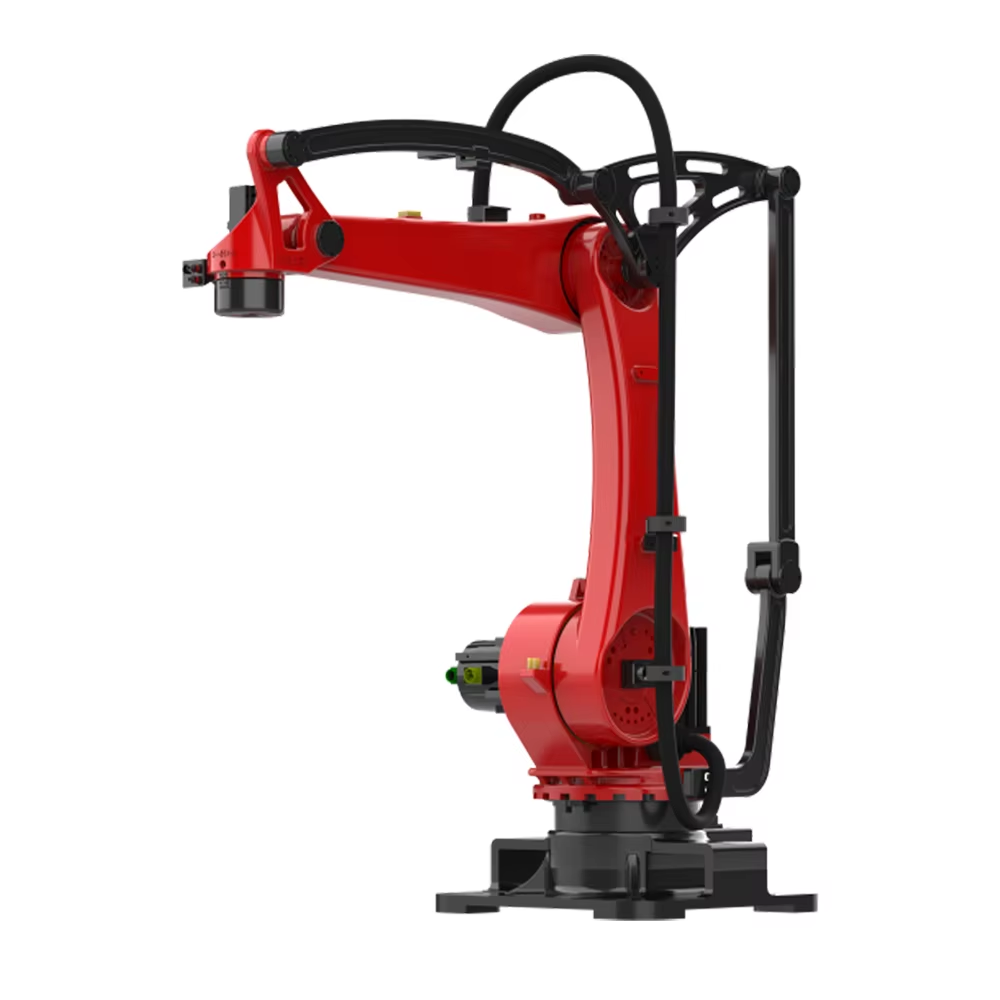
In modern smart manufacturing, the cobot robot has evolved from a simple auxiliary device to a core intelligent unit driving flexible production and efficiency upgrades. Many enterprises only use basic functions after deploying a cobot robot system, failing to tap into its real value in precision operations, multi-scenario adaptation, data-driven optimization, and long-term cost reduction. This article shares professional strategies to fully unlock the performance of your cobot robot system, helping you achieve higher productivity, stability, and return on investment.
Why Most Cobot Robot Systems Fail to Reach Full Potential
After installation, many users only run fixed routines without in-depth configuration, peripheral matching, or software iteration. Common bottlenecks include unreasonable load matching, unsuitable end-effectors, lack of vision/force control integration, and no connection with production systems. These issues limit the cobot robot from 发挥 its flexibility, safety, and ease of use, resulting in low overall efficiency and wasted automation investment.
Optimize Hardware Matching to Lay a Solid Foundation for Cobot Robot Performance
Hardware compatibility is the cornerstone of a high-performance cobot robot system. First, select a payload and reach model matching your handling, assembly, welding, or palletizing needs to avoid overload or energy waste. Equip the cobot robot with professional grippers, suction cups, or welding modules for fast switching and stable execution. For palletizing tasks, use high-stability fixtures and anti-slip designs to ensure stacking consistency and safety. Add linear modules or rotary tables to extend working space and improve coverage efficiency. With proper hardware matching, the cobot robot maintains high precision in long hours, reduces failures, and supports stable production.
Integrate Intelligent Perception to Upgrade Cobot Robot Adaptability
A cobot robot with intelligent perception can handle complex, changing tasks. Equip it with 2D/3D vision for workpiece positioning, type recognition, and defect detection, enabling autonomous adjustment without manual teaching. Use force control technology for precise assembly, grinding, and polishing, protecting products and equipment. With AI algorithms, the cobot robot optimizes motion paths in real time, shortens cycle times, and adapts to multi-variety, small-batch production. This upgrade turns a single-function cobot robot into a flexible unit that improves line adaptability and reduces changeover time.
Software and Process Optimization to Maximize Cobot Robot Efficiency
Software and process tuning directly determine the cobot robot’s output. Use graphical programming for fast task setup and simplified staff operation. Optimize motion paths to reduce idle strokes and shorten takt time. Connect the cobot robot with MES, WMS, and ERP systems for real-time data interaction, automatic task scheduling, and production visibility. Collect data like runtime, fault frequency, and energy consumption to analyze bottlenecks and support continuous improvement. Regular firmware updates bring better control, safety, and compatibility, keeping the cobot robot efficient.
Expand Scenario Applications to Unlock More Value of Cobot Robot
The cobot robot’s value lies in cross-scenario application. Beyond simple handling, it can perform palletizing, welding, assembly, testing, and spraying. In end-of-line palletizing, a cobot robot system forms a stable palletizing unit with fast deployment and small footprint, suitable for food, electronics, and logistics. It works safely alongside workers without large fences, saving space and cost. In hazardous environments, it replaces manual labor to reduce risks. Expanding applications turns one cobot robot into a multi-purpose asset, raising utilization and investment returns.
Manage Maintenance and Lifecycle for Sustained High Performance
To keep the cobot robot system efficient long-term, establish a complete maintenance system. Follow guidelines for lubrication, sensor calibration, and line checks. Use predictive maintenance based on operating data to detect faults early and avoid unplanned downtime. Train your team for daily operation, basic programming, and troubleshooting to reduce external dependence. With proper maintenance, the cobot robot extends service life, maintains precision, and delivers stable value.
Conclusion
A cobot robot system is a flexible, intelligent solution requiring hardware matching, intelligent integration, software optimization, scenario expansion, and standardized maintenance. By implementing these strategies, you break through bottlenecks and unlock the cobot robot’s full potential in efficiency, quality, and cost control. In the era of smart manufacturing, a fully utilized cobot robot becomes a core competitiveness, helping you adapt to changes, optimize production, and achieve sustainable growth.
Table of Contents
- Why Most Cobot Robot Systems Fail to Reach Full Potential
- Optimize Hardware Matching to Lay a Solid Foundation for Cobot Robot Performance
- Integrate Intelligent Perception to Upgrade Cobot Robot Adaptability
- Software and Process Optimization to Maximize Cobot Robot Efficiency
- Expand Scenario Applications to Unlock More Value of Cobot Robot
- Manage Maintenance and Lifecycle for Sustained High Performance
- Conclusion