
 EN
EN
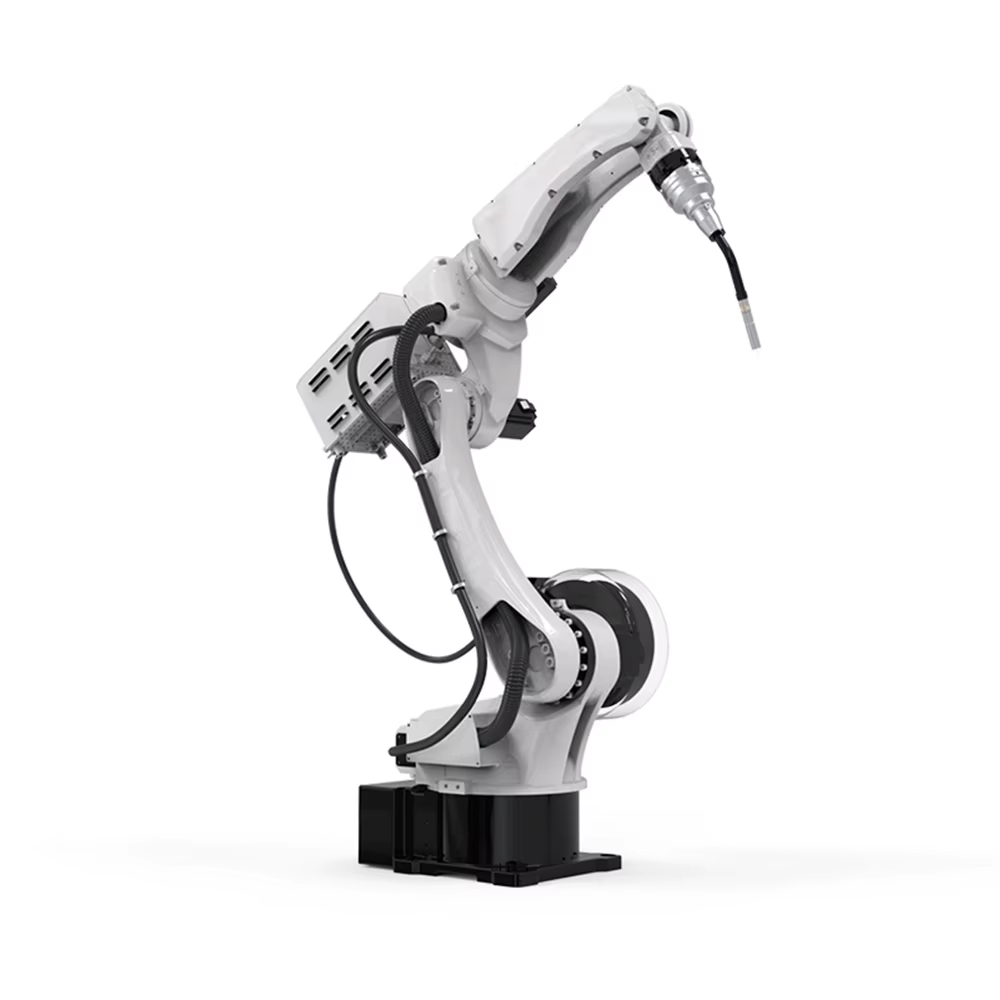
How Human Robot Collaboration Drives Measurable Productivity Gains
Task Partitioning: Leveraging Human Dexterity and Robot Precision for Optimal Throughput
When companies assign tasks strategically according to what people and machines do best, they get much better results overall. People tend to handle problems that need thinking on their feet and doing delicate work where judgment matters, whereas those collaborative robots, or cobots as some call them, just keep going with amazing accuracy on things that repeat over and over again. This kind of split takes pressure off both minds and bodies, so workers can concentrate on the stuff that really adds value to the business. Take manufacturing floors for instance, where this approach has made a real difference.
- Cobots handle high-precision component placement (±0.1mm tolerance)
- Human operators perform final quality inspections and anomaly resolution
- Joint teams complete complex assemblies 40% faster than manual-only approaches
Real-World Impact: 15–22% Throughput Gains in Automotive Assembly with Cobots
Car makers are seeing real gains when they bring cobots into their factories. According to research published last year looking at several production lines, most saw around an 18% boost in how much they could produce each day. Mistakes went down by more than two thirds, while switching between different tasks took about half as long as before. These improvements happen because cobots just keep working through lunch breaks and short pauses that normally slow things down. Factory workers surveyed said they felt about 30% less tired after working alongside these collaborative robots. Some plants have even started scheduling extra maintenance during what used to be downtime since the cobots handle so many routine tasks now.
| Metric | Manual Process | Cobot-Assisted | Improvement |
|---|---|---|---|
| Units/hour | 38 | 46 | +21% |
| Error rate | 4.2% | 1.1% | -74% |
| Changeover time | 47 minutes | 29 minutes | -38% |
Case Evidence: Major Automotive Plant’s 18% Cycle Time Reduction via Human-Robot Part Feeding
One major German car manufacturer completely overhauled how parts get supplied to assembly lines by deploying collaborative robots equipped with vision systems that work right next to human workers. These smart machines scan through storage bins with advanced 3D sensing technology to find exactly what's needed. When a technician requests something, the system delivers it within half a second flat. What makes this setup really impressive is how it constantly adjusts itself based on where people actually move around during their shifts. The results speak for themselves: overall cycle times dropped nearly 18 percent across the board. Technicians no longer waste time walking back and forth - they save about 1.7 kilometers worth of walking each day. Most remarkable though is the reduction in downtime between tasks, which went down an astonishing 85%. That means each production cell gains back roughly 34 valuable hours every week that can be put toward actual manufacturing instead of waiting around.
Overcoming Barriers to Human Robot Collaboration Adoption
Hidden Costs Beyond Hardware: Retraining, Change Management, and Worker Trust
When companies think about robots, they usually focus on buying the machines themselves, but there are actually bigger costs involved when humans work alongside robots that get ignored most of the time. Retraining employees eats up around a quarter to almost a third of what companies spend overall on adopting new tech. This covers everything from teaching workers how to program the systems to making sure everyone knows the safety rules inside out. Then there's managing all the changes needed in day to day operations. About six out of ten manufacturers find themselves spending way more than expected just to redesign their workflows. And let's not forget about getting workers comfortable with the whole idea. When companies take time to talk openly with staff and involve them in planning how these changes will happen, it helps ease fears about losing jobs. Without this kind of effort, roughly a third of all robot implementations end up delayed somehow. The bottom line? Companies that pay attention to these people related issues tend to see their return on investment come much quicker, sometimes as fast as 40 percent sooner because things run so much smoother from the start.
Simplifying Integration: Plug-and-Play Platforms Cutting Deployment Time by 60%
Today's integration solutions break down those old programming roadblocks by using standard hardware connections and ready-made software components. The new plug and play systems come with intuitive drag drop tools for building workflows, work across different machines even the older ones thanks to universal protocols, plus they include safety checks that have already been approved. This cuts down on time spent getting things certified and getting everything running. Some companies who tried these early saw their production scale up about 60 percent quicker than before, while needing around 45 percent fewer engineers working on setup compared to what was typical with conventional methods back in the day.
The Next Frontier: AI-Enhanced Human Robot Collaboration for Adaptive Workspaces
Real-Time Intent Prediction Using Wearables and Vision Fusion
Intent prediction systems powered by artificial intelligence are changing how humans work alongside robots through the combination of data from wearable tech and visual recognition systems. Wearable devices that track movement pick up on things like when muscles tense up or how joints bend during tasks, while those fancy 3D cameras out there actually see where people stand relative to machines around them. These machine learning models then crunch all this information together to guess what someone will do next somewhere between half a second to almost a full second ahead of time. That gives robots enough warning to get tools ready in position, change their route if needed, or just stop altogether before something goes wrong. Factories implementing these systems report about a 40 percent drop in accidents where robots bump into workers, plus faster transitions when handing off tasks from one worker to another. Still, getting these systems right takes time as companies figure out exactly how much anticipation works best for different types of jobs.
This tech changes workspaces on the fly based on how people actually move around them. If the sensors notice someone constantly reaching across their workstation for parts, the system will automatically shift those storage containers closer. The vision system takes things even further though. It picks up on little tells that regular wearables just don't catch, such as when someone's eyes start moving toward something before they physically reach for it. These kinds of smart adjustments lead to smoother teamwork between workers and robots. They react to what's happening right now instead of waiting for problems to arise later. Factories adopting this approach report cutting down on those tiny time losses that used to eat into production numbers all day long.
| Prediction System Component | Function | Collaboration Impact |
|---|---|---|
| Inertial Measurement Units (IMUs) | Track limb acceleration/orientation | Enables path pre-emption for mobile robots |
| Surface Electromyography (sEMG) | Detects muscle activation pre-movement | Allows tool pre-positioning 0.3s faster |
| Depth-sensing Cameras | Create 3D spatial maps | Identifies obstruction risks during co-manipulation |
When these sensors work together, they create smart workspaces that adjust themselves automatically. The environment and how robots act keeps changing all the time based on how people move around them. Some companies already using this tech have seen their assembly lines speed up between 15 to 22 percent because workers don't need to stop so often for safety reasons anymore. Looking ahead, the big step forward will be when machines start understanding whole tasks instead of just single movements. This kind of thinking allows robots and humans to work together in ways we haven't seen before, where the machine actually knows what comes next in the workflow.
FAQ
What are cobots? Cobots, or collaborative robots, are robots designed to work alongside human workers, sharing tasks to enhance productivity and efficiency.
How does human-robot collaboration improve productivity? By strategically assigning tasks based on human dexterity and robot precision, companies see significant improvements in efficiency, accuracy, and output.
What are some barriers to adopting human-robot collaboration? Hidden costs such as retraining, change management, and establishing worker trust are major barriers that need to be addressed for successful implementation.
How can integration be simplified? Using plug-and-play platforms with standard hardware connections and user-friendly software tools can cut deployment time and reduce the complexity of integration compared to traditional methods.