
 EN
EN
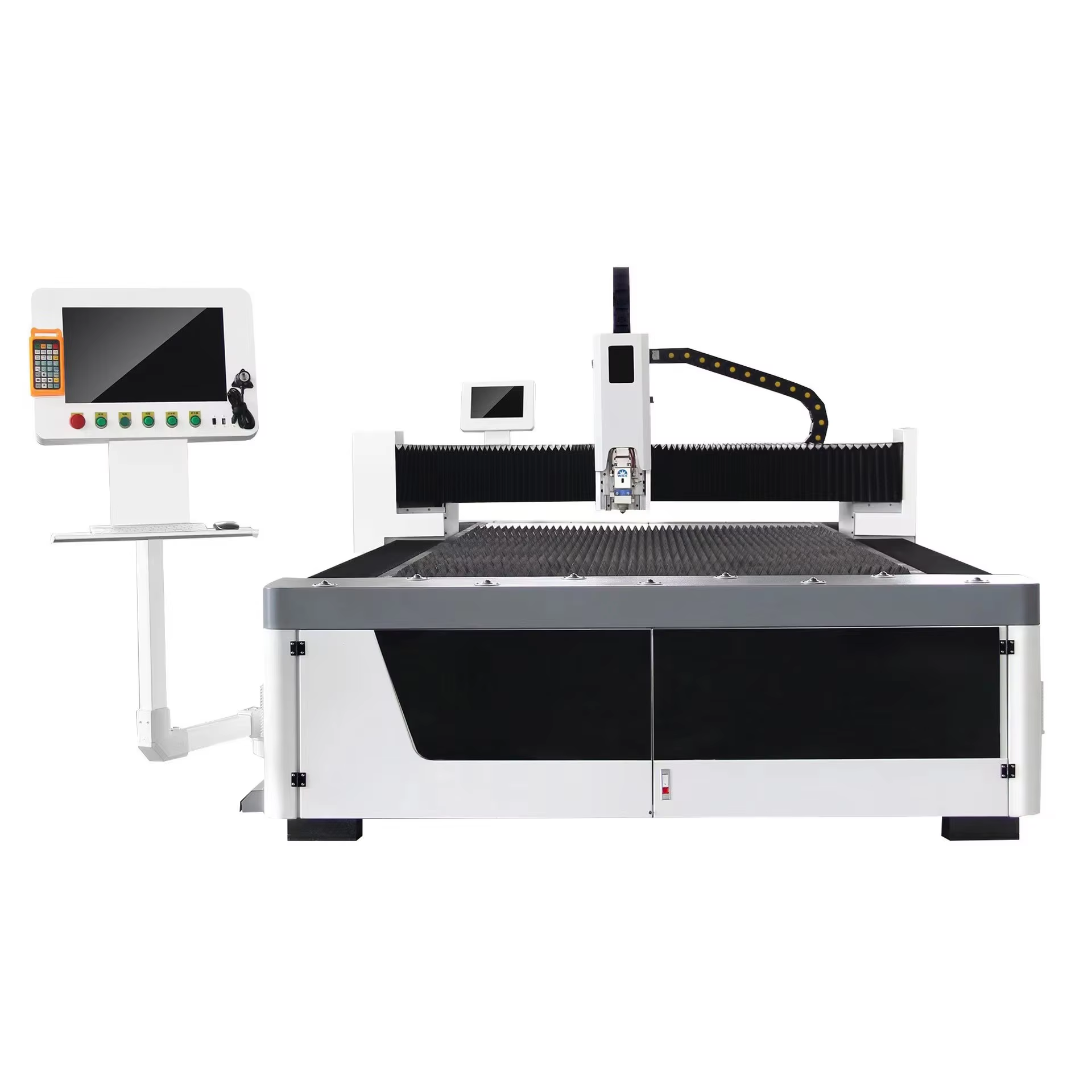
Keep Optics Clean for Maximum Laser Efficiency
How Contaminated Lenses and Mirrors Reduce Beam Quality
When dust and grime build up on optical parts, they actually scatter the laser's energy instead of letting it pass through cleanly. According to some research from Adapt Laser on how optics degrade over time, this kind of contamination can cut down beam strength by around 20% for each dirty surface involved. The results are pretty frustrating for anyone working with lasers these days. We end up seeing rougher edges on our cuts, sometimes even incomplete ones, while processing takes anywhere from 15 to 30 percent longer because the machines have to go over the same area multiple times just to get decent results. Many technicians out there tend to chalk up this slow decline in quality to regular equipment wear and tear rather than realizing what's really going on with their optics getting dirty day after day.
Why Clean Optics Ensure Full Power Transmission and Precision
Pristine mirrors and lenses deliver 98.7% reflectivity or transmission compared to 83% with minimal contamination. Kern Laser Systems' research confirms properly maintained laser cutting machines maintain <0.1mm positional accuracy over 10,000 operating hours, while poorly maintained units deviate by more than 0.5mm.
Case Study: 40% Improvement in Cut Quality After Weekly Cleaning Routine
A sheet metal fabricator implemented:
- Daily: Wipe lenses with 99% isopropyl alcohol and microfiber cloths
- Weekly: Disassemble and clean mirror mounts
- Monthly: Full optical path alignment check
Results in 6 months:
| Metric | Before | After |
|---------|--------|-------|
| Cut accuracy | ±0.25mm | ±0.1mm |
| Rejected parts | 12% | 4.8% |
| Lens replacements | 8/year | 2/year |
Pro Tip: Daily Inspection and Weekly Deep Cleaning Prevent Downtime
Use a UV flashlight to detect otherwise invisible smudges on coated optics. Rotate cleaning schedules between morning and evening shifts to catch contamination from overnight condensation.
Trend: Automated Lens Cleaning Systems in Modern Laser Cutting Machines
New models integrate compressed air jets and rotary brush mechanisms that clean optics between jobs, reducing manual intervention by 70%. These systems are especially beneficial for high-volume operations cutting oily metals or composites.
Lubricate Moving Parts to Minimize Mechanical Wear
Friction and Motor Strain: Signs of Under-Lubricated Components
Grinding noises, erratic motion, and increased power consumption indicate inadequate lubrication. Research from industrial lubrication experts shows under-lubricated components can raise bearing temperatures by 15–20°C, accelerating wear on rails and ball screws. Unresolved, this increases motor strain by up to 25%, shortening component lifespan.
How Proper Lubrication Reduces Heat and Extends Component Life
High-quality greases form protective films that reduce friction by 30–50%, dissipating heat during high-speed operations. Consistent lubrication prevents metal-on-metal contact and limits particulate contamination that degrades machine accuracy.
Case Study: CNC Workshop Doubles Rail Longevity with Bi-Weekly Greasing
A metal fabrication workshop extended linear guide rail life from 12 to 24 months after implementing bi-weekly greasing. Post-trial analysis (2023) showed a 38% drop in motor replacements and 27% lower energy consumption per job.
Best Practice: Follow Manufacturer Guidelines for Lubrication Type and Frequency
Always use the viscosity grades and lubricants specified in your machine’s manual—improper substitutes cause 42% of lubrication-related failures. For systems processing reflective metals, high-temperature synthetic greases outperform mineral oils. Pair automated dispensers with manual checks to maintain optimal coating thickness.
Calibrate the Laser Path and Alignment for Consistent Precision
Proper alignment ensures your laser cutting machine delivers repeatable accuracy while minimizing material waste. Even minor beam deviations of 0.1 mm can cause inconsistent cut depths and edge imperfections in sheet metal applications, according to precision machining standards.
Misalignment Issues: Causes of Inconsistent Cuts and Material Waste
Thermal expansion, vibrations, or mechanical wear often shift optical components out of alignment. A misaligned laser path wastes 15–20% more energy and produces tapered cuts or incomplete perforations in thick materials.
The Role of Accurate Beam Focus in Energy Efficiency and Cut Quality
A tightly focused beam improves energy density by up to 40%, enabling cleaner cuts at lower power settings. Modern systems with temperature compensation technology automatically adjust focal lengths to counteract heat-related distortions.
Case Study: Automotive Supplier Lowers Scrap Rate by 30% Post-Calibration
An automotive parts manufacturer reduced stainless steel scrap by implementing bi-weekly alignment checks. Using laser profiling tools, technicians corrected a 0.25° mirror tilt causing uneven heat distribution across chassis components.
Maintenance Strategy: Monthly Calibration and Post-Move Realignment
- Perform full-axis alignment monthly using test patterns and beam profilers
- Always recalibrate after transporting the machine or replacing optical parts
- Track alignment metrics in maintenance logs to identify degradation trends
Maintain the Cooling System to Prevent Overheating Damage
The cooling system in a laser cutting machine acts as the primary protection against overheating problems. When heat builds up without control, it really takes a toll on those laser tubes. We've seen that these components tend to break down about 40 percent quicker when they stay hot for long periods. The same goes for all those delicate electronic parts inside the machine too. Their life gets cut short when exposed to excessive heat. A recent study from the Ponemon Institute back in 2023 showed something pretty shocking. They found that companies spend around seven hundred forty thousand dollars every year fixing machines damaged by heat issues. That kind of money could go a lot further if businesses just kept their cooling systems properly maintained instead of waiting until something breaks down.
Overheating Risks: How Heat Damages Laser Tubes and Electronics
Repeated thermal cycling weakens gas-filled laser tubes and causes micro-fractures in optical components. Electronics like servo drivers and power supplies degrade 30% faster when exposed to temperatures exceeding 45°C.
Effective Cooling Prolongs Lifespan of Critical Components
Water-cooled systems maintain stable operating temperatures within ±1°C, reducing component stress. Manufacturers report a 60% longer service life for laser tubes when paired with rigorously maintained chillers.
Monthly Chiller and Water System Checks Prevent Unexpected Failures
| Task | Impact on Machine Longevity |
|---|---|
| Coolant purity test | Prevents mineral buildup in tubes |
| Pump pressure check | Ensures consistent flow rate |
| Filter replacement | Reduces clog-related breakdowns |
| A 2024 case study found facilities performing monthly cooling system audits reduced unplanned downtime by 50%. |
Air-Cooled vs. Water-Cooled Systems: Reliability Comparison for Long-Term Use
Water-cooled systems offer 2–3× better heat dissipation for high-power lasers, though they require more maintenance. For low-duty applications, modern air-cooled systems with variable-speed fans provide 80% of water-cooling efficiency at lower operational complexity.
Adopt Best Practices in Operation and Preventive Maintenance
Regular maintenance routines for laser cutting machines actually make them last longer and save money on unexpected breakdowns. Workers who clean filters and check alarm systems regularly see a 63 percent drop in particulate buildup when compared with those waiting until something breaks down according to the Manufacturing Efficiency Report from last year. Take weekly removal of metal dust from ventilation systems as just one practical step. This simple task stops electrical shorts that account for around 22% of all surprise repairs across manufacturing facilities nationwide.
Daily & Weekly Routines: Inspections, Filter Cleaning, and Alarm Monitoring
Establish a two-tier maintenance protocol:
- Daily: Verify coolant levels, test emergency stops, inspect laser path alignment
- Weekly: Clean air filters with compressed air, check belt tensions, log motor temperatures
Data from industrial automation studies shows facilities using checklists achieve 40% longer service intervals for guide rails and ball screws.
Optimize Cutting Parameters to Reduce Thermal Stress on the Machine
Adjust feed rates and laser power based on material thickness—cutting 10mm steel at 4m/min instead of 6m/min decreases nozzle temperatures by 120°C. Thermal imaging reveals improper settings accelerate lens coating degradation three times faster than rated specs.
Avoid Worktable Overloading to Preserve Structural Integrity
Never exceed the manufacturer’s maximum load capacity (typically 150–300 kg/m²). Overloading distorts guide rails by 0.3mm per 50kg excess weight, creating positional inaccuracies that require £1,200+ recalibration services.
Update Software and Firmware for Improved Stability and Performance
Install motion controller updates that address harmonic resonance in high-speed cutting modes. A 2022 field study found facilities using outdated control software experienced 47% more axis servo faults during intricate contour jobs.
Schedule Quarterly Technician Audits and Replace Worn Parts Proactively
Certified technicians should inspect:
| Component | Replacement Threshold |
|---|---|
| Laser Nozzle | 20,000 pierces or 0.3mm wear |
| RF Cable Connector | Annual replacement mandatory |
| Beam Expander Lens | 12 months / 4,500 hours |
Proactive replacement of $80 nozzles prevents $7,000+ tube replacements from metal splash damage.
FAQ
How often should optics be cleaned in laser cutting machines?
Optics should be cleaned daily with isopropyl alcohol and microfiber cloths, and deeper cleaning routines should be performed weekly and monthly to ensure maximum transmission and precision.
What are the signs that a laser cutting machine needs lubrication?
If you notice grinding noises, erratic movement, or increased power consumption, it may indicate that components need lubrication.
Why is it important to calibrate a laser path?
Proper calibration ensures the laser cutting machine delivers consistent precision and minimizes material waste.
What are the advantages of water-cooled over air-cooled systems?
Water-cooled systems provide better heat dissipation for high-power lasers, although they require more maintenance. Air-cooled systems are suitable for low-duty applications.
How can preventive maintenance reduce unexpected breakdowns?
Preventive maintenance including regular inspections, filter cleaning, and alarm monitoring help reduce particulate buildup and electrical shorts, thereby minimizing the chance of unexpected breakdowns.
Table of Contents
-
Keep Optics Clean for Maximum Laser Efficiency
- How Contaminated Lenses and Mirrors Reduce Beam Quality
- Why Clean Optics Ensure Full Power Transmission and Precision
- Case Study: 40% Improvement in Cut Quality After Weekly Cleaning Routine
- Pro Tip: Daily Inspection and Weekly Deep Cleaning Prevent Downtime
- Trend: Automated Lens Cleaning Systems in Modern Laser Cutting Machines
- Lubricate Moving Parts to Minimize Mechanical Wear
- Calibrate the Laser Path and Alignment for Consistent Precision
- Maintain the Cooling System to Prevent Overheating Damage
-
Adopt Best Practices in Operation and Preventive Maintenance
- Daily & Weekly Routines: Inspections, Filter Cleaning, and Alarm Monitoring
- Optimize Cutting Parameters to Reduce Thermal Stress on the Machine
- Avoid Worktable Overloading to Preserve Structural Integrity
- Update Software and Firmware for Improved Stability and Performance
- Schedule Quarterly Technician Audits and Replace Worn Parts Proactively
-
FAQ
- How often should optics be cleaned in laser cutting machines?
- What are the signs that a laser cutting machine needs lubrication?
- Why is it important to calibrate a laser path?
- What are the advantages of water-cooled over air-cooled systems?
- How can preventive maintenance reduce unexpected breakdowns?