
 EN
EN
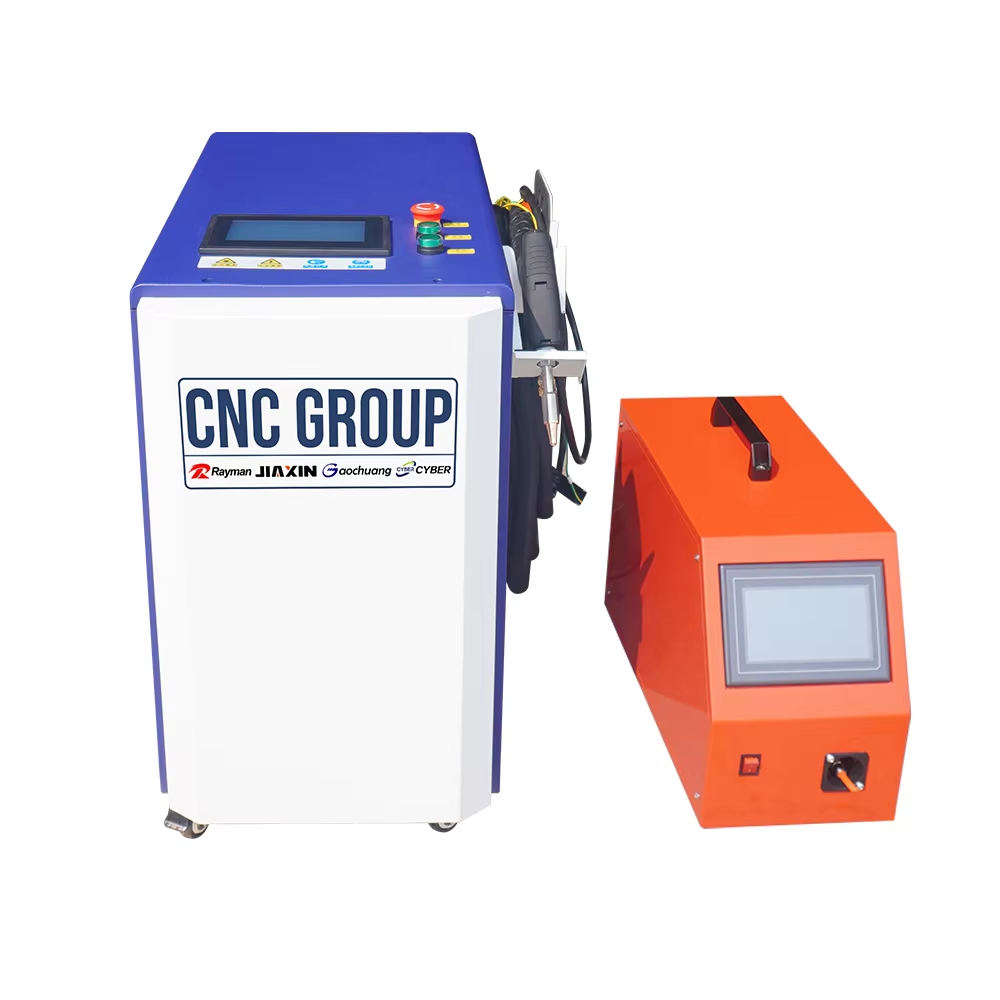
Understanding Intelligent Welding And Cutting in Modern Manufacturing
What Is Intelligent Welding And Cutting? Defining AI-Driven Automation in Welding and Cutting
Smart welding and cutting tech is basically changing the game for manufacturing automation. These systems combine AI, sensors, and robots to make adjustments on their own while working with incredible accuracy. Traditional welding requires people to set parameters manually and keep watching closely all the time. But smart systems can check material thickness, look at how joints fit together, and monitor heat changes as they work. The way these systems process information in real time lets them tweak welding settings almost instantly something no human operator could match. Factories that have adopted this technology see around 58% fewer defects and save about 32% on rework costs based on industry reports from 2025. Basically, these intelligent systems just outperform old school welding methods because they adapt automatically and maintain precise control throughout the whole process.
The Evolution of AI, Sensors, and Robotics in Welding Automation
The shift away from manual welding toward smart automation happened alongside major improvements in artificial intelligence, sensor tech, and robot capabilities. Back in the day, those early robots just stuck to their programmed routes with almost no awareness of what was happening around them. Today's systems are different though they rely on things like camera vision, pressure sensors, and heat detection to actually see what's going on as it happens. All this information gets fed into smart computer programs that tweak welding parameters hundreds of times every single second adjusting speed, electrical settings, and how fast the metal wire feeds into the joint. When connected through IoT networks, these machines talk directly to factory management software so data flows smoothly all the way from blueprints straight to finished products sitting on shelves. What does all this mean? These advanced setups can hit target positions within about 0.1 millimeters even after doing thousands of welds back to back. That kind of precision cuts down on errors that happen when people get tired during long shifts and makes mass production much more consistent quality wise.
Core Technologies Powering Intelligent Welding And Cutting Systems
AI and Machine Learning for Real-Time Decision-Making in Welding Robots
Smart welding systems now use artificial intelligence and machine learning techniques to handle various types of data at once like material thickness measurements, how joints fit together, and temperature changes during operation. The software behind these systems keeps changing welding settings as needed so the weld stays stable and heat spreads properly throughout the piece. This helps produce good quality welds even when working with different kinds of metals or complicated shapes that would challenge traditional methods. These AI controlled machines can tweak their actions many times every second, which is much faster than what human operators could manage. As a result, there are fewer mistakes made during welding, and factories don't need to spend as much time checking finished products for problems or fixing them later.
Adaptive Control and Real-Time Monitoring for Autonomous Adjustments
Adaptive control systems rely on sensor networks to keep an eye on welding conditions all the time, picking up even tiny changes in material properties down to about half a millimeter thick. If something goes off track, these smart systems tweak things like welding speed, voltage levels, and where the torch is positioned to stay within the right range. By watching arc behavior and heat distribution patterns as they happen, the system can catch problems early and fix them before actual defects start forming. The fact that this works automatically means no waiting around for someone to manually reset settings. Factory floor reports show production cycles getting anywhere from 18 to 22 percent quicker, while waste materials drop by roughly 40% when these systems are put into practice across different manufacturing setups.
AI-Driven Parameter Optimization for Consistent Weld Quality
Systems powered by artificial intelligence use deep learning algorithms trained on past welding data to figure out the best settings for different materials and joints. When we look at how process factors relate to weld quality, these smart models help maintain good weld integrity throughout long production cycles. What we see in practice is pretty impressive consistency too - positioning stays within about 0.1mm accuracy and there's nearly 60% fewer holes in the metal from gas bubbles. Instead of guessing and checking like old school methods required, this approach based on real data makes joints stronger overall. Manufacturers are reporting around a third less money spent fixing bad welds now, per the latest industry findings from 2025 on robotic systems integration. Of course, getting these systems up and running takes some time and investment, but most shops find it pays off quickly when production quality improves so dramatically.
Real-World Applications in Industrial Manufacturing
Autonomous Welding Robots in Automotive Fabrication: A Success Story
The auto manufacturing world has seen a big shift thanks to welding robots with smart vision systems powered by artificial intelligence. These machines can spot exactly where to weld down to fractions of a millimeter and adjust their settings on the fly when working with different metals or joint types. One big plant saw some impressive results after implementing this tech - cycle times dropped by around 40% while weld defects plummeted nearly 95% from what they were under manual welding according to a report last year. What makes these robots so valuable is their ability to work nonstop with very little supervision. They tackle complicated tasks like building car frames and body structures that used to need experienced workers and lots of fixing later on. Now manufacturers are getting close to zero defects across large production runs something that would have been unthinkable just a few years ago.
Steel Manufacturing Case Study: Integrating Intelligent Welding And Cutting for Precision
The steel fabrication industry has started incorporating smart welding and cutting technologies to get better results when making structures and heavy machinery. Thermal monitoring happens in real time now, which stops those annoying distortions from happening in big metal pieces. Machine learning algorithms are also being used to cut down on energy consumption and figure out the best ways to arrange materials so there's less waste overall. A major steel company actually saw their material usage go up by around 30 percent and energy bills drop nearly half after they installed these AI powered cutting machines, as reported in last year's Industrial Efficiency Journal. When paired with robotic welding stations and automatic material transport systems, this tech can create custom parts for buildings and industrial projects with accuracy down to just half a millimeter. That kind of precision meets all the tough requirements set by architects and manufacturers who need components that fit together perfectly.
Achieving High Repeatability and Accuracy with Robotics in Heavy Industry
Across industries like shipyards, mines, and power plant construction sites, smart welding tech keeps delivering reliable results where mistakes simply aren't an option. These robots come packed with laser scanners and detailed 3D maps, managing to stay within just a tenth of a millimeter when working on massive components weighing several tons. Getting those joints right matters a lot for structural integrity. According to recent figures from the Heavy Industry Automation folks in their 2023 report, about 99.8% of welds on pressure vessels and pipelines meet standards consistently now. That kind of consistency helps companies avoid costly rework during inspections. What's really changed things though is how AI watches over quality control these days. Factories no longer have to destroy samples to check them all the time. This means saving around half what they used to spend on inspections while still getting projects done faster without sacrificing safety margins.
Future Trends and Strategic Considerations in Welding Automation
The Role of IoT and AI-Driven Robotics in Next-Gen Intelligent Welding And Cutting
When IoT meets AI, it's changing how we think about smart welding through real time communication between machines, sensors, and main control panels. Sensors connected to the internet keep track of things like heat levels during welding, how well parts are aligned, and even what's going on around them environmentally. At the same time, artificial intelligence looks at all this information and tweaks the welding settings as needed. Factories using these combined technologies report seeing defect rates drop somewhere around 40% give or take, plus getting about a third more output from their operations. Looking ahead, manufacturers expect these evolving systems to create completely linked factory floors where welders basically adjust themselves automatically based on current conditions, forecasts about what might happen next, and signals from the production line about what needs doing when.
Predictive Maintenance Through Machine Learning in Welding Systems
Maintenance practices are changing fast thanks to machine learning technology that can spot problems before they happen. These smart systems look at past performance data, current sensor readings, and error history to catch early warning signs like worn motors or blocked nozzles. When maintenance teams get these alerts, they can fix issues before breakdowns occur. The results speak for themselves - companies report cutting unexpected downtime by around half and getting much longer life from their equipment. Take one big car plant that saved about 40% on maintenance expenses once they started using these predictive tools. Not only did this save money, but their production lines ran smoother too, with better weld quality across the board because machines stayed in good working condition instead of breaking down when least expected.
Full Autonomy vs. Human-in-the-Loop: Navigating the Debate in Smart Welding
As we push towards fully automated welding processes, many are wondering what role humans should still play. Autonomous systems can hit around 99.9% accuracy for those repetitive jobs that just keep coming one after another, which definitely boosts efficiency and keeps things consistent. But when dealing with tricky joints that don't follow standard patterns or when something goes off track during production, experienced welders are still irreplaceable. What works best seems to be this layered approach where machines handle the day-to-day stuff, but human experts step in for quality checks, fix problems as they arise, and jump in whenever necessary. This mix of automation and human touch gives manufacturers both speed and flexibility, making it possible to maintain good results even when conditions change from factory to factory.
Maximizing Efficiency, Safety, and ROI with Intelligent Systems
Intelligent Welding And Cutting systems are transforming manufacturing by delivering measurable improvements in efficiency, safety, and return on investment. By automating repetitive and hazardous tasks, these systems reduce cycle times, minimize waste, and enhance workplace safety—directly contributing to higher output and lower operational costs.
Boosting Production Efficiency and Reducing Cycle Times Through Automation
When it comes to automation, one big plus is getting rid of all those tedious manual setups and adjustments. This means machines can run nonstop without stopping for breaks or fixes. Smart automated systems handle welding jobs about half as fast as humans do, according to some industry reports from 2023 which showed cycle times dropping by around 35% in top performing factories. The real benefit here? Manufacturers can crank out more products without hiring extra staff, which makes scaling operations much easier when markets change or grow suddenly.
AI-Optimized Welding Processes for Material and Energy Savings
AI-driven systems precisely control heat input and filler metal deposition, reducing material waste by up to 20% and energy consumption by 15–25% compared to conventional methods (Sustainable Manufacturing Journal 2024). These optimizations lower production costs and support environmental sustainability goals by decreasing resource use and carbon footprint across the manufacturing lifecycle.
Enhancing Workplace Safety and Defect Prevention with Sensor-Based Monitoring
Smart sensor systems keep an eye on welding areas looking out for problems like too much heat buildup, harmful fumes, and strange equipment behavior, giving staff warnings before things get risky. According to the Industrial Safety Review from last year, places that have these full monitoring setups see about 40% fewer accidents happening on site. At the same time, when quality checks happen while welding is actually taking place, they catch issues early so adjustments can be made right away. This cuts down on how often people need to manually check work after the fact, which also keeps employees safer since they're not exposed to those potentially dangerous evaluation processes later on.
FAQ Section
What is intelligent welding and cutting?
Intelligent welding and cutting refer to the use of AI, sensors, and robotics in the automation of welding processes. These systems adjust automatically in real-time to achieve high accuracy and efficiency, unlike traditional methods.
How do AI and machine learning improve welding?
AI and machine learning enable welding robots to process data on material thickness, joint fit, and temperature changes to optimize welding parameters in real-time, resulting in consistently high-quality welds.
What are the benefits of using smart welding in automotive manufacturing?
The use of autonomous welding robots with AI-driven smart vision systems in automotive manufacturing reduces cycle times and drastically lowers weld defects, improving overall production efficiency.
How do intelligent welding systems increase workplace safety?
Intelligent systems with sensor-based monitoring detect potential hazards like excessive heat or fumes during welding, providing alerts to prevent accidents and ensuring safer working conditions.
What role does IoT play in intelligent welding and cutting?
IoT facilitates real-time communication between connected machines and sensors, allowing for continuous monitoring and adjustment of welding processes, thus improving precision and reducing defect rates.
Table of Contents
- Understanding Intelligent Welding And Cutting in Modern Manufacturing
- Core Technologies Powering Intelligent Welding And Cutting Systems
- Real-World Applications in Industrial Manufacturing
- Future Trends and Strategic Considerations in Welding Automation
- Maximizing Efficiency, Safety, and ROI with Intelligent Systems
- FAQ Section