
 EN
EN
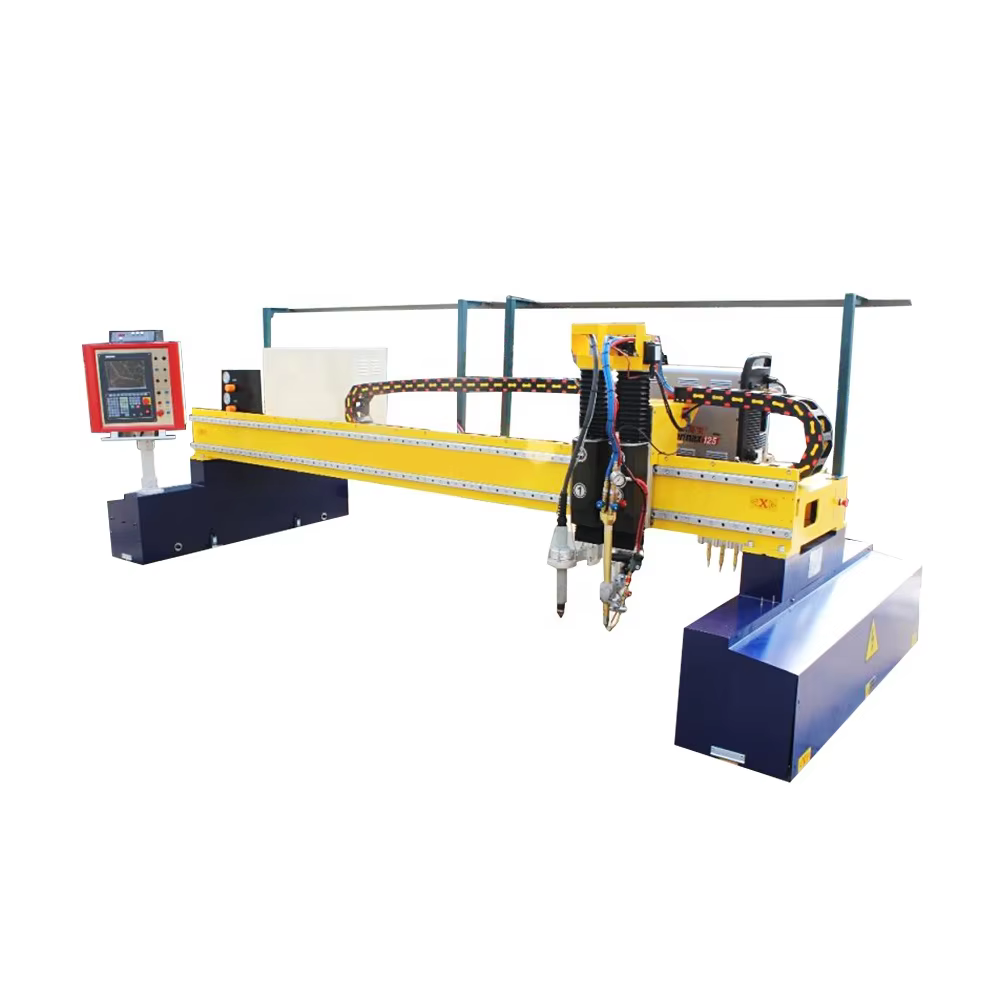
Metal emalı istehsalat, tikinti və avtomobil sənayelərinin əsasını təşkil edir; işləmənin uğuru isə dəqiq kəsmə, sürət və xərclərin effektivliyi ilə müəyyən olunur. Plazma kəsmə texnikası, əvvəllər xüsusi metal emalı üsulu olan bu metod, metalın kəsilməsi və formasının verilməsi sahəsində işləri tamamilə dəyişdirən bir həll yolu halına gəlib. İstehsal prosesini optimallaşdırmaq, tullantıları azaltmaq və çıxışı artırmaq istəyən metal emalçılar üçün irəli səviyyəli plazma kəsmə texnologiyasının tətbiqi yalnızca bir yenilənmə deyil — bu, prosesinizi müasir sənaye tələblərinə uyğunlaşdırmaq üçün çevrilişçi bir addımdır.
Müxtəlif metal emal ehtiyacları üçün qeyri-müqayisəli çoxtərəflilik
Plazma kəsmə, nazik lövhələrdən 16 mm-dən çox qalınlıqda ağır lövhələrə qədər olan müxtəlif qalınlıqlarda karbon poladından, paslanmayan poladadan, alüminiumdan və misdən ibarət bütün keçirici metalları emal etməkdə üstünlük təşkil edir. Fərqli materiallar və ya qalınlıqlar üçün ayrı-ayrı alətlər tələb edən ənənəvi kəsmə üsullarının əksinə olaraq, tək bir plazma kəsmə sistemi müxtəlif emal tapşırıqlarına uyğunlaşa bilir; bu da bir neçə avadanlıq qurğusunun tətbiqini aradan qaldırır və istehsalatın dayandırılmasına səbəb olan vaxtı azaldır. Bu çoxtərəflilik kiçik və böyük miqyaslı emalçılar üçün həqiqi inqilabdır, çünki fərdiləşdirilmiş detalların istehsalı, partiyalı kəsmə və mürəkkəb komponentlərin istehsalı arasında performansı itirmədən rahat keçid etməyə imkan verir. Metal emalında, burada çeviklik birbaşa sifarişlərin yerinə yetirilmə sürətini təsir edir; plazma kəsmə material məhdudiyyətlərini operativ imkanlara çevirir.
Sürət və dəqiqlik: Emalda darboğazların aradan qaldırılması
Sürət müasir metal emalında qeyri-müzakirə olunmazdır və plazma kəsmə, xüsusilə qalın metal lövhələr üçün istisna olmaqla, kəsmə sürətində çox yüksək nəticələr verir — bu, alternativ texnologiyalara nisbətən həm sürət, həm də sabitlik baxımından üstün gəlir. Plazma kəsməni digər üsullardan fərqləndirən əsas xüsusiyyət onun sürətlə yanaşı yüksək dəqiqliyi saxlaya bilmesidir: irəli səviyyəli plazma sistemləri dar kəsilmə eninə (kerf) və minimal istilik təsir zonasına (HAZ) malikdir ki, bu da materialın burulmasını azaldır və kəsildikdən sonra geniş miqyaslı son emal tələbini aradan qaldırır. Emalçılar üçün bu, istehsalda daha az bottleneq, sifarişlərin daha tez tamamlanması və sənayedə qoyulan sərt dövrələrə uyğun yüksək keyfiyyətli son məhsullar deməkdir. Düz xətlər, mürəkkəb formalı detallar və ya meylli kənarlar kəsilsə belə, plazma kəsmə hər bir kəsimin dəqiq olmasını təmin edir; bu da metal emalında əsas xərclərə səbəb olan iki amil — material itirməsi və təkrar emal — miqdarını azaldır.
Xərclərin effektivliyi: Ümumi əməliyyat xərclərinin azaldılması
Plazma kəsmə, başlanğıc və cari əməliyyat xərclərini azaldaraq metal emalının iqtisadiyyatını dəyişdirir. Bu avadanlıq, yüksək səviyyəli lazer kəsmə sistemlərinə nisbətən daha aşağı ilkin investisiya tələb edir, eyni zamanda onun istehlak materialları ucuzdur və əvəz etmək asandır. Bundan əlavə, yüksək kəsmə sürəti və minimal sonrakı emal tələbləri əmək haqqı xərclərini azaldır və dəqiq kəsmə material itkiyini minimuma endirir — bu da birbaşa materialların istifadə effektivliyini artırır. Emalçılar üçün bu, ümumi sahiblik dəyərinin (TCO) aşağı olması və hər bir layihə üzrə daha yüksək gəlir marjası deməkdir. Hətta yüksək həcmdə istehsal üçün belə plazma kəsmə sistemləri əməliyyat xərclərində mütənasib artım olmadan sabit performans göstərir və beləliklə, uzunmüddətli emal uğuruna nail olmaq üçün sərfəli həll yolu təmin edir.
Miqyaslandırılabilən emal üçün pərəkəndə avtomatlaşdırma
Müasir plasma kəsmə texnologiyası CNC (Komputerləşdirilmiş Sayısal İdarəetmə) sistemləri və sənaye avtomatlaşdırması ilə pərəstişkər şəkildə inteqrasiya olunur; bu, fəaliyyətlərini genişləndirmək istəyən metal emalçılar üçün əhəmiyyətli üstünlükdür. Avtomatlaşdırılmış plasma kəsmə xətləri minimal insan müdaxiləsi ilə 24/7 işləyə bilər, təkrarlanan kəsmə tapşırıqlarını ən yüksək dəqiqliklə yerinə yetirərək insan səhvlərinin riskini azaldır. Bu avtomatlaşdırma yalnız istehsal həcmini artırır, həmçinin bacarıqlı işçiləri daha mürəkkəb emal tapşırıqları — məsələn, montaj və keyfiyyət nəzarəti — üçün azad edir. Artan bazar tələblərini ödəmək istəyən müəssisələr üçün plasma kəsmənin avtomatlaşdırmaya uyğunluğu əllə aparılan, əmək tutan emal proseslərini axıdlı, miqyaslanabilən və dəyişən istehsal ehtiyaclarına uyğunlaşa bilən proseslərə çevrilir.
Metal emalının gələcəyi: İnkişaf etmiş plasma kəsmə innovasiyaları
Bu günün plazma kəsmə sistemləri — ağıllı qövs sabitliyi, su ilə soyutma və real vaxt rejimində proses monitorinqi kimi son dərəcə inkişaf etmiş xüsusiyyətlərlə təchiz olunub — bu da emal performansını daha da artırır. Bu yeniliklər sərf olunan hissələrin ömrünü uzadır, kəsmə keyfiyyətini yaxşılaşdırır və istismarı sadələşdirir; nəticədə plazma kəsmə texniki bilik səviyyəsi müxtəlif olan komandalar üçün belə əlçatan olur. Metal emal sənayesi səmərəliliyi və davamlılığı prioritet hesab etməyə davam etdikcə, plazma kəsmə digər kəsmə üsullarına nisbətən aşağı enerji istehlakı və azalmış emissiyaları ilə fərqlənir və beləliklə, emal proseslərini qlobal ekoloji standartlarla uyğunlaşdırır.
Nəticə olaraq, plazma kəsmə yalnız bir metal kəsmə texnologiyası deyil — bu, materialların idarə edilməsi, istehsalat sürəti, xərclərin nəzarəti və miqyaslaşdırma kimi metal emal prosesinin hər bir tərəfini yenidən müəyyən edən çevrilişçi bir qüvvədir. İnkişaf etmiş plazma kəsmə həllərini qəbul edərək emalçılar səmərəsizlikləri aradan qaldıra, məhsul keyfiyyətini artıraraq bizneslərini rəqabətli sənaye mühitində uzunmüddətli inkişafa hazırlaya bilərlər. İrəlidə qalmaq istəyən hər hansı bir metal emal əməliyyatı üçün plazma kəsmə yalnız bir seçim deyil — bu, daha səmərəli, mənfəətli və gələcəyə hazır bir prosesin əsasını təşkil edir.
İçindəkiler
- Müxtəlif metal emal ehtiyacları üçün qeyri-müqayisəli çoxtərəflilik
- Sürət və dəqiqlik: Emalda darboğazların aradan qaldırılması
- Xərclərin effektivliyi: Ümumi əməliyyat xərclərinin azaldılması
- Miqyaslandırılabilən emal üçün pərəkəndə avtomatlaşdırma
- Metal emalının gələcəyi: İnkişaf etmiş plasma kəsmə innovasiyaları