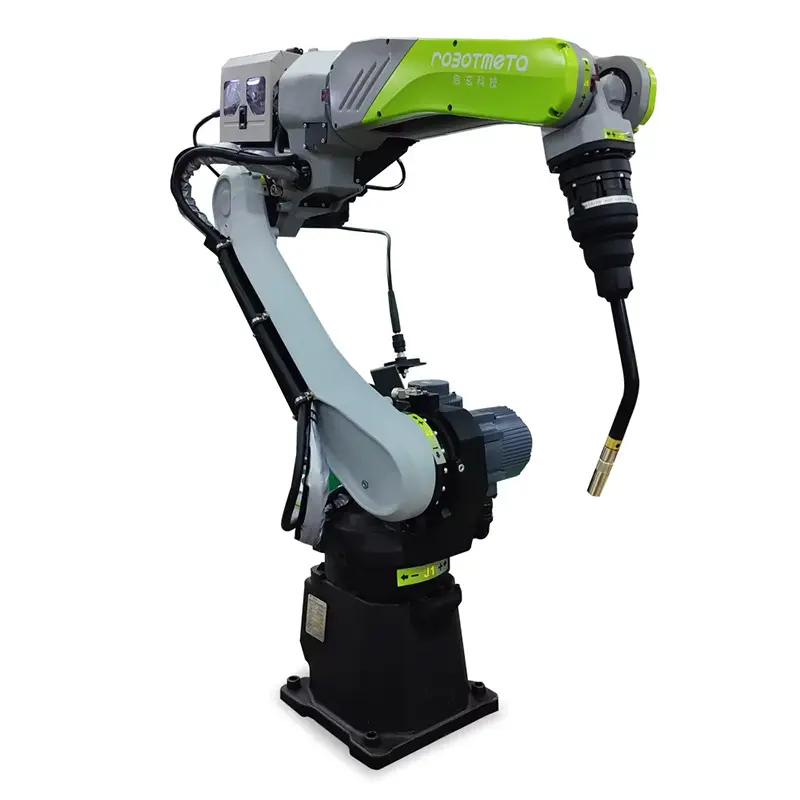
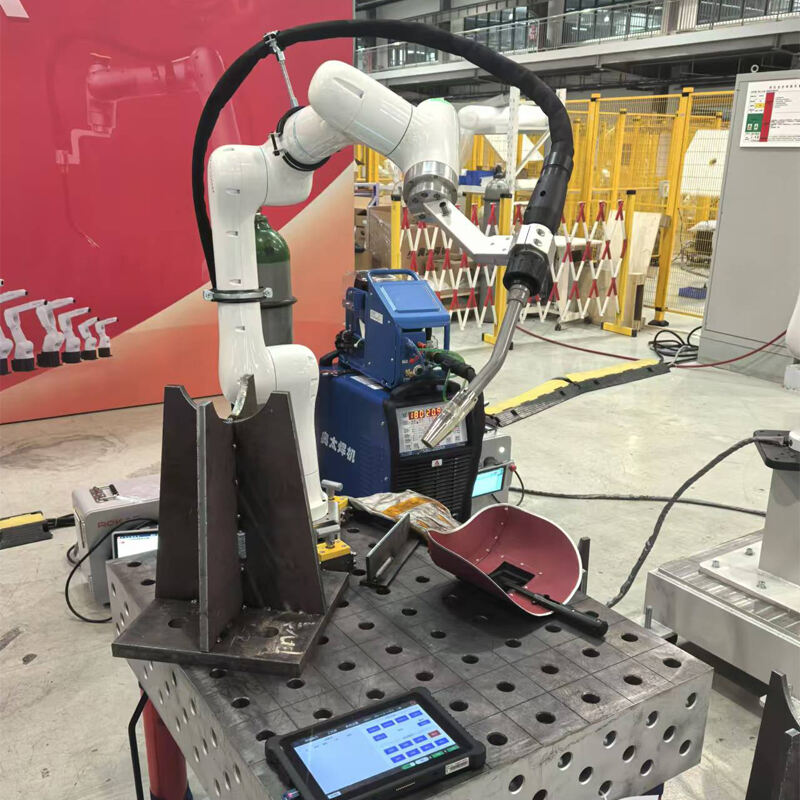
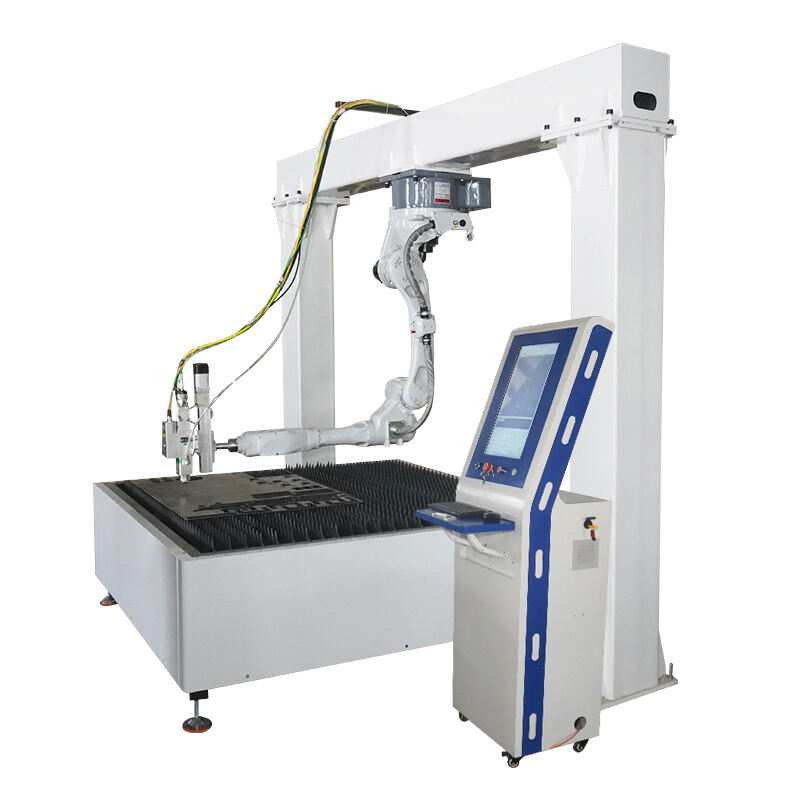
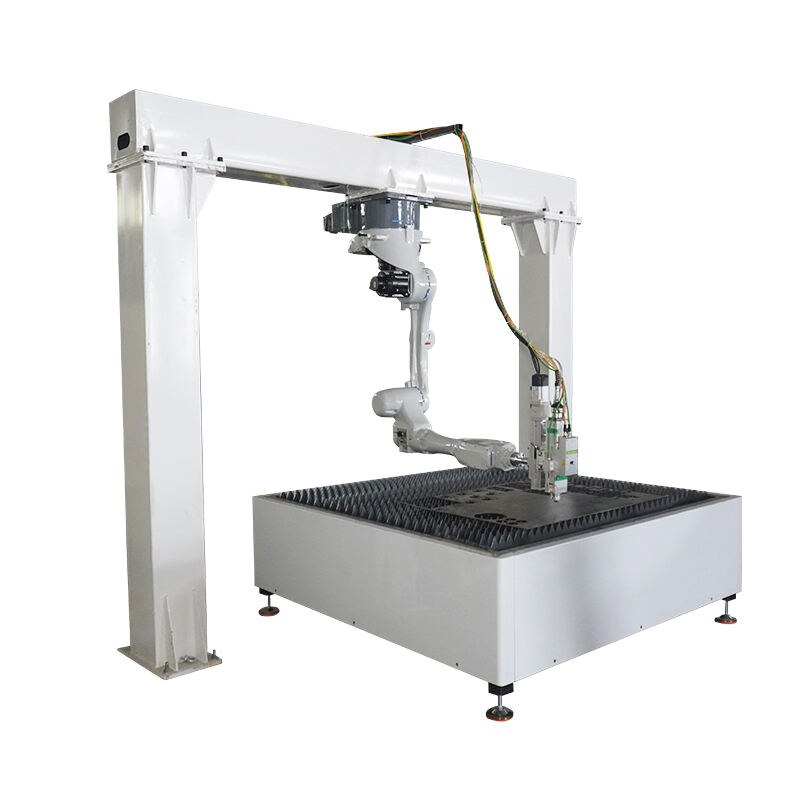
Vision systems for welding robots in automation are revolutionizing industrial manufacturing by enabling machines to "see" and adapt to complex environments with human-like precision. At Rayman CNC, our vision solutions combine high-resolution cameras, infrared sensors, and machine learning algorithms to detect joint positions, track seam paths, and monitor weld quality in real time. Unlike basic vision tools that rely on fixed patterns, our systems use dynamic calibration to handle variations in part geometry, material thickness, and environmental lighting. For example, in automotive body-in-white (BIW) welding, robots equipped with our vision technology can identify mismatched panel gaps and automatically adjust torch angles to maintain consistent penetration depth, eliminating costly manual inspections. The integration of AI enables predictive analytics, where the system learns from past welds to optimize parameters for new projects, reducing setup time by up to 60%. Our vision systems also support multi-robot collaboration, allowing synchronized welding of large structures like ship hulls or aircraft frames. By overlaying digital twin simulations onto live feeds, operators can verify tool paths before production, minimizing errors. Additionally, our solutions include built-in quality control modules that detect defects such as porosity or underfill immediately, triggering alerts for corrective action. This closed-loop feedback loop ensures compliance with ISO standards without disrupting workflows. For industries with stringent safety requirements, like nuclear or medical device manufacturing, our vision systems incorporate redundant sensors and fail-safe protocols to prevent collisions or improper welds. Rayman CNC’s hardware is engineered for durability, with IP67-rated enclosures to withstand harsh factory conditions, while software updates are delivered remotely to keep systems current with evolving automation trends. By partnering with us, manufacturers gain a competitive edge through higher throughput, lower defect rates, and reduced labor costs, all while future-proofing their operations for Industry 4.0.