Robotic Welding Wire Feeder Maintenance: 4 Proven Strategies

All Categories

Rayman CNC: Pioneering Robotic Welding Wire Feeder Maintenance Solutions

Rayman CNC is a global leader in factory automation, specializing in CNC plasma cutting machines, fiber laser cutting/welding systems, rebar processing equipment, and industrial robots. Committed to innovation and reliability, we deliver high-quality products tailored to diverse manufacturing needs. Beyond our advanced machinery, we offer comprehensive services, including expert technical support, consultant-driven sales, and rapid delivery to optimize workflows. Our professionally trained team ensures seamless integration of robotic solutions, providing customized maintenance plans for wire feeders to maximize uptime and performance.
Get A Quote


Why Rayman CNC Excels in Robotic Welding Wire Feeder Maintenance

Proactive Maintenance Strategies

Our technicians employ predictive diagnostics to identify wear patterns in wire feeders before they cause failures. By analyzing motor performance, gear alignment, and tension systems, we create tailored maintenance schedules that reduce unexpected downtime. For example, our thermal imaging tools detect overheating components early, allowing preemptive replacements. This approach extends equipment lifespan by up to 40% compared to reactive repairs.

OEM-Certified Parts and Expertise

We exclusively use genuine parts approved by leading robotic welding manufacturers, ensuring compatibility and durability. Our engineers undergo continuous training on the latest feeder technologies, including servo-driven systems and AI-powered tension control. A recent case study showed that our maintenance reduced wire breakage incidents by 75% in a high-volume automotive plant, improving weld quality and throughput.

Related products

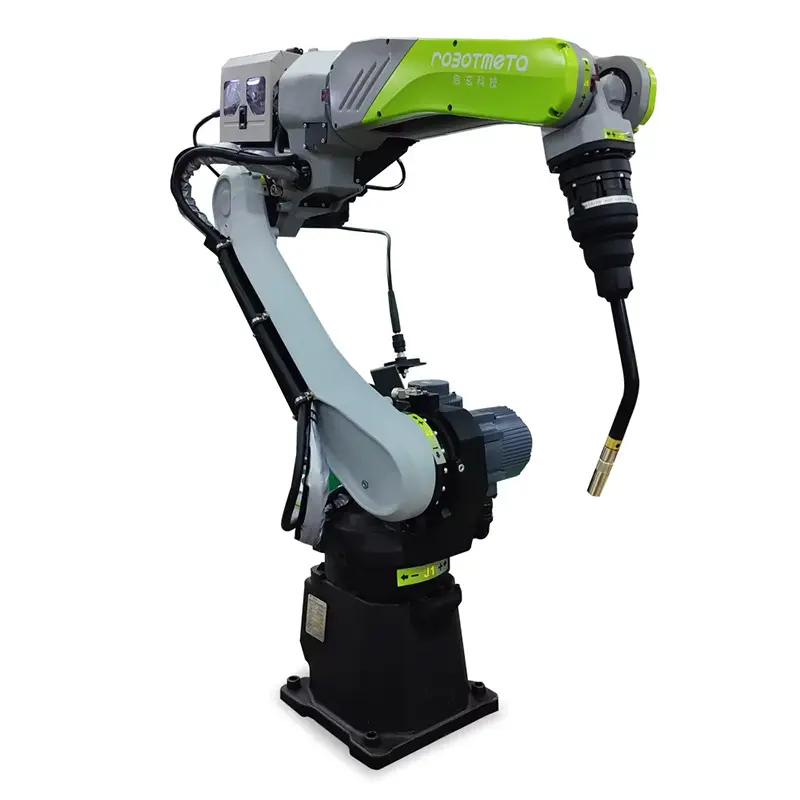
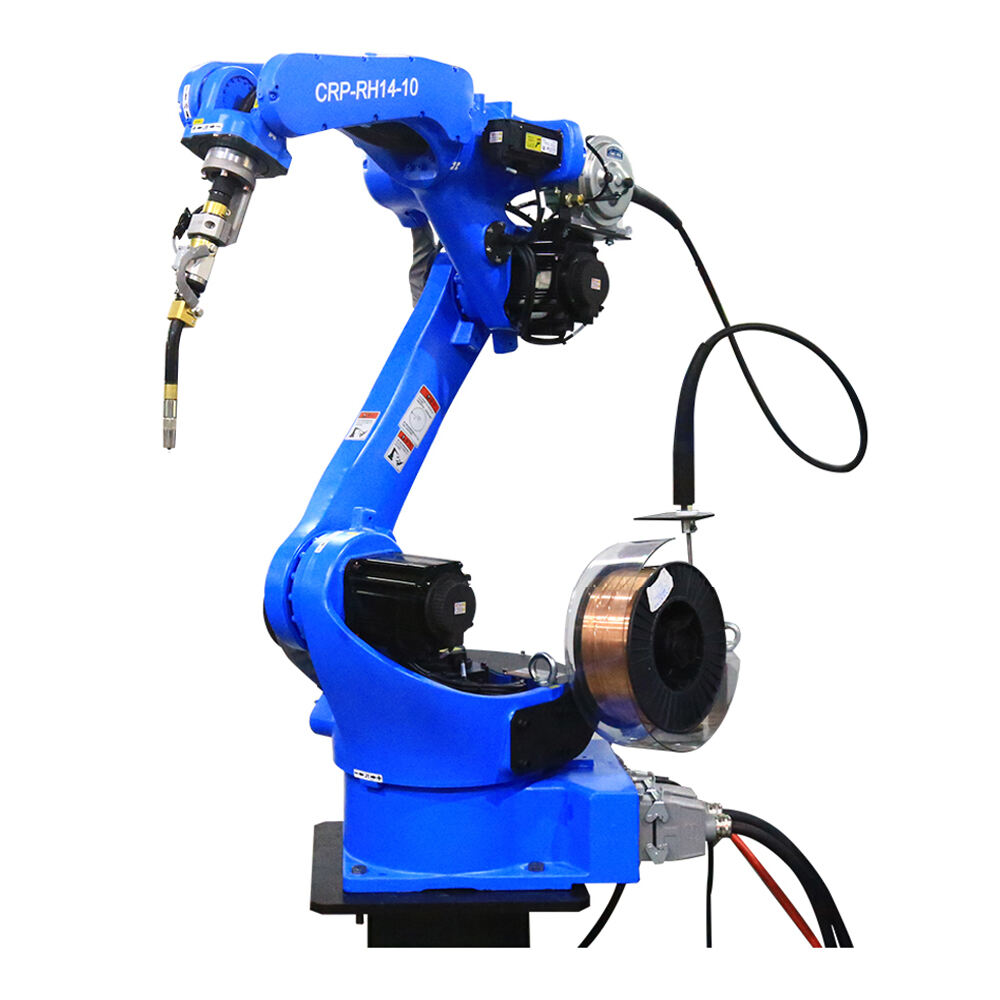
Robotic welding wire feeder maintenance is critical for maintaining consistent weld quality and minimizing production delays in automated manufacturing environments. At Rayman CNC, we specialize in optimizing feeder performance through a combination of advanced diagnostics, precision repairs, and preventive strategies. Our process begins with a thorough inspection of the feeder’s mechanical components, including drive rollers, liners, and contact tips, which are prone to wear from continuous wire movement. Using specialized tools, we measure roller tension and alignment to ensure proper wire feeding without slippage or deformation. Electrical systems, such as motor controllers and sensors, are tested for voltage stability and signal accuracy, as fluctuations can lead to erratic feeding rates. Our technicians also clean internal pathways to prevent dust accumulation, a common cause of blockages in high-speed applications. For servo-driven feeders, we recalibrate PID loops to maintain precise wire delivery, especially important for thin materials or complex joint geometries. Preventive maintenance plans are customized based on usage patterns, with high-duty-cycle systems receiving more frequent checks. We stock a comprehensive inventory of OEM parts, including wear-resistant liners and high-temperature bearings, to reduce repair lead times. Training programs for client maintenance teams are available, covering topics like daily inspections and troubleshooting common issues such as wire tangling or inconsistent arc starts. By partnering with Rayman CNC, manufacturers benefit from reduced feeder-related downtime, improved weld consistency, and extended equipment life, all contributing to lower total cost of ownership in robotic welding operations.

Frequently Asked Questions

How often should robotic welding wire feeders be serviced?

Service frequency depends on usage intensity and material type. For high-volume production (24/7 operation), monthly inspections with quarterly deep maintenance are recommended. Moderate-use systems (8–12 hours/day) can follow a bi-monthly inspection schedule. Key components like drive rollers and liners should be replaced every 6–12 months, while sensors and motors may require annual calibration. Environmental factors, such as dust or humidity, can accelerate wear and necessitate more frequent checks.
Indicators include inconsistent wire speed, erratic feeding causing spatter or porosity, unusual noises from drive motors, or frequent wire breakage. Visual inspections may reveal worn rollers with flattened grooves, cracked liners, or loose contact tips. Electrical issues might manifest as error codes on the robot controller or intermittent feeder operation. Addressing these symptoms promptly prevents secondary damage to weld heads or power sources.

Related Articles

Top Benefits of Using Laser Cutting in Modern Manufacturing

07

Jan

Top Benefits of Using Laser Cutting in Modern Manufacturing

Cutting metal with lasers is the newest technology that has come in the industry of metal cutting. It is a method high on efficiency and versatility that conventional approaches cannot equal. In this article, we are going to explore the top benefits ...
View More
Enhancing Workflow Efficiency with Collaborative Robots

07

Jan

Enhancing Workflow Efficiency with Collaborative Robots

To keep up with the competition, modern businesses have made it a priority to improve workflow whereas in the past employees were able to assist the business without any questionable effort. As a solution, cobots are becoming increasingly common. The...
View More
How Laser Cutting Machines Enhance Product Customization

07

Jan

How Laser Cutting Machines Enhance Product Customization

Today’s rapid customer-focused market has increased demand for businesses to deliver mass personalization, customization, and even made to order products and services. One such technology that makes this process efficient is a laser cutting mac...
View More
The Advantages of Using Collaborative Robots in Assembly Lines

07

Jan

The Advantages of Using Collaborative Robots in Assembly Lines

The past few years have witnessed a revolution in the way that various industries go about their manufacturing processes. More specifically, the use of collaborative robots or cobots has helped transform assembly lines, leading to higher efficiency l...
View More

Customer Reviews

Dr. Mark Lee
Reduced Downtime by 60% with Rayman CNC’s Maintenance Program

Our automotive plant struggled with frequent wire feeder jams, causing costly line stops. Rayman CNC’s team conducted a root-cause analysis and implemented a preventive schedule, replacing worn parts before failures occurred. Their technicians trained our staff on daily checks, which helped us catch issues early. Since adopting their program, feeder-related downtime dropped from 12 hours/month to under 5, saving thousands in lost production.

Anna
Expertise That Extends Equipment Lifespan

We switched to Rayman CNC for feeder maintenance after repeated failures with our previous provider. Their use of OEM parts and detailed calibration reports gave us confidence in their work. One feeder, originally expected to last 3 years, is still running smoothly after 5 years with their program. Their responsiveness to urgent requests, like same-day part replacements, keeps our robotic cells productive.

Get a Free Quote

Our representative will contact you soon.
Email
Name
Company Name
Message
0/1000
Customized Maintenance Schedules

Customized Maintenance Schedules

We tailor service intervals to your production volume and material types, optimizing uptime without over-servicing.
On-Site Troubleshooting Expertise

On-Site Troubleshooting Expertise

Our mobile technicians arrive equipped with diagnostic tools to resolve issues quickly, minimizing line interruptions.
Training for Sustainable Performance

Training for Sustainable Performance

We empower your team with skills to perform basic maintenance, reducing reliance on external support while ensuring consistency.
E-mail E-mail Whatsapp Whatsapp Wechat Wechat
Wechat
TopTop