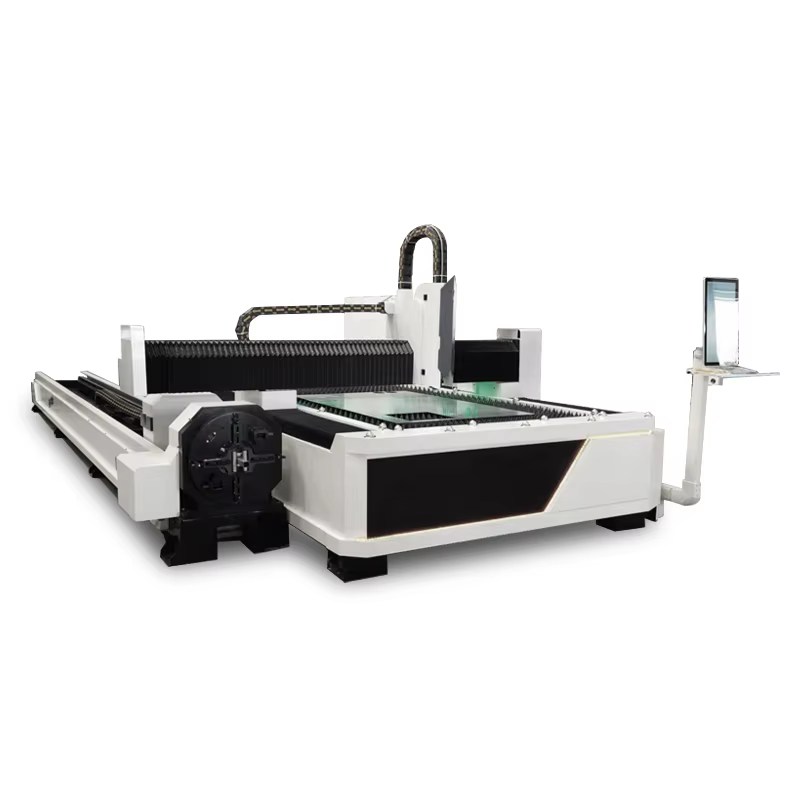
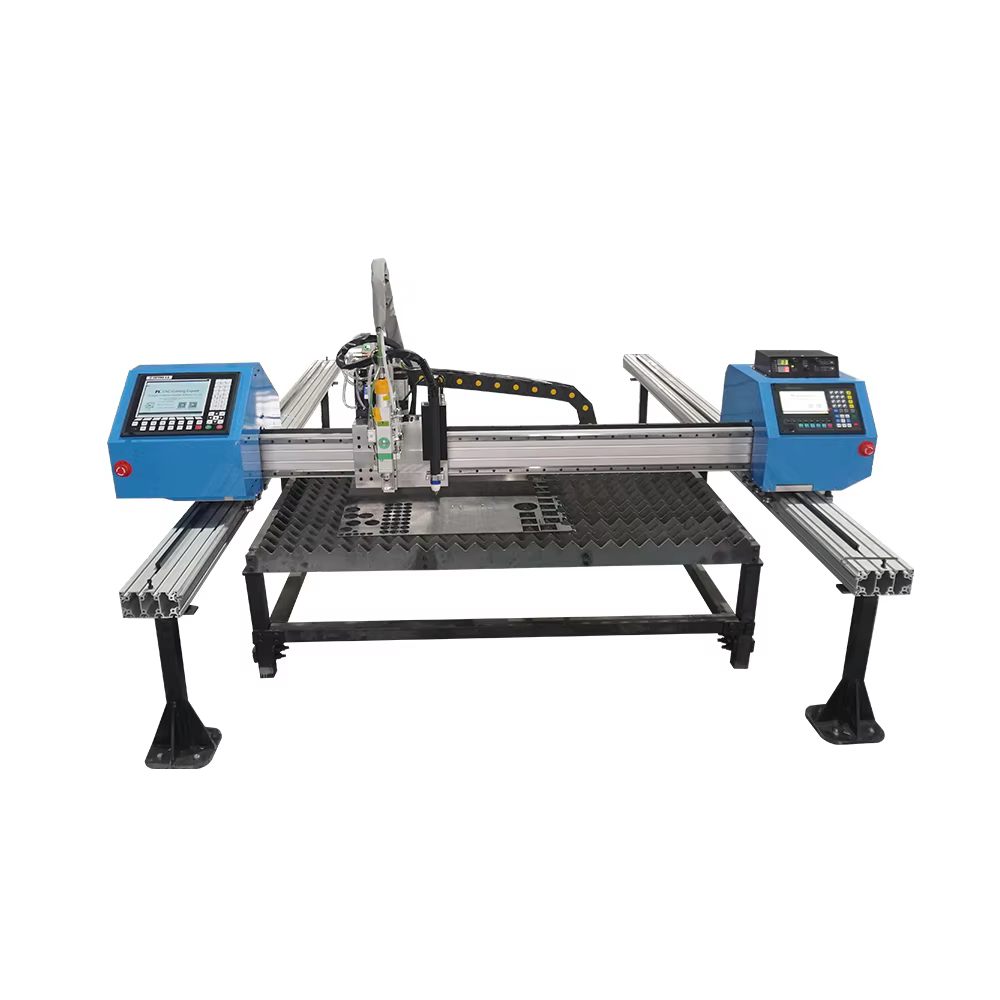
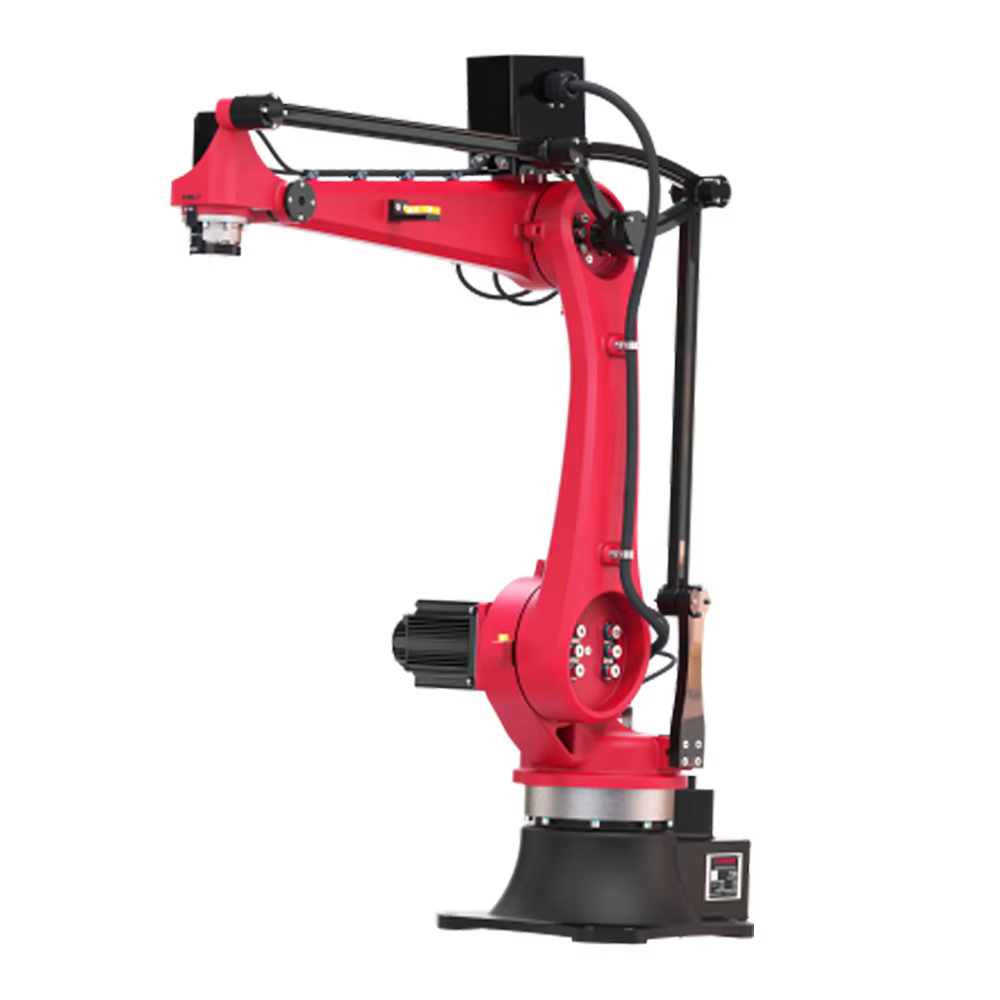
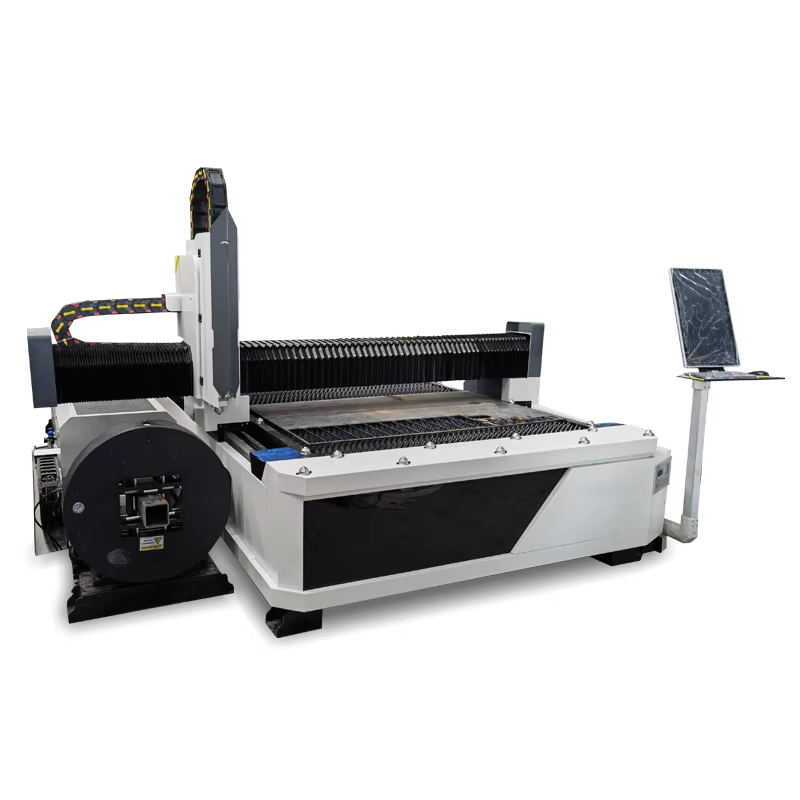
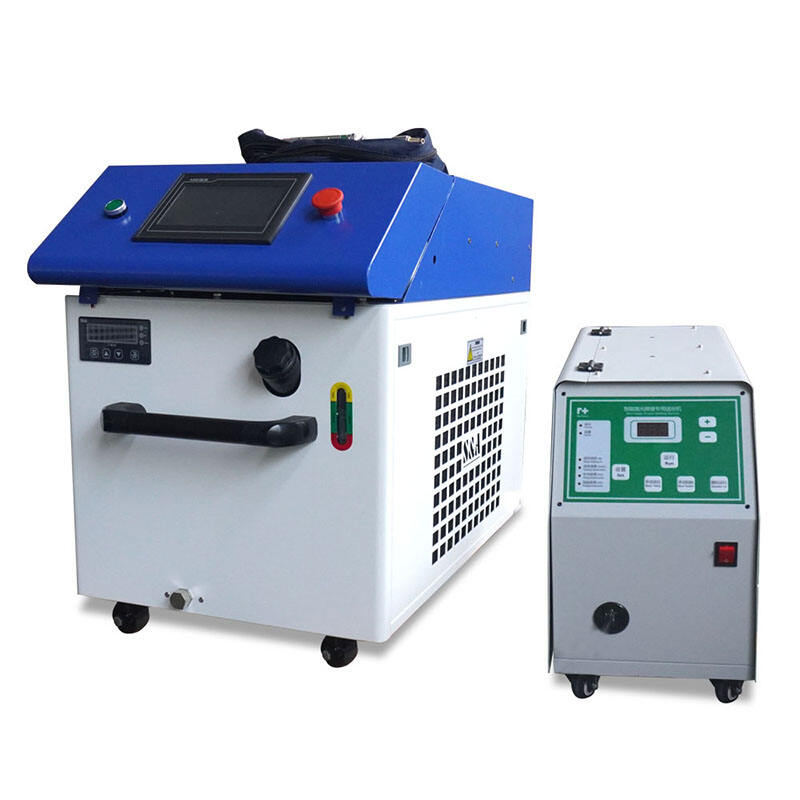
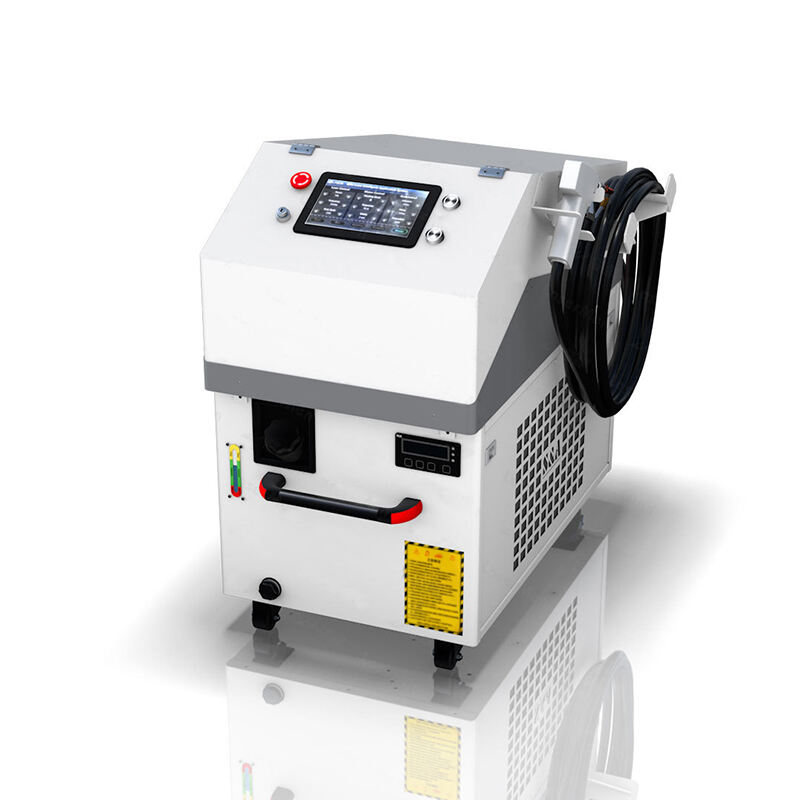
Fiber laser welding has revolutionized modern manufacturing by offering unparalleled speed, precision, and efficiency. Unlike traditional arc welding, which relies on electrical current to generate heat, fiber laser systems use high-energy laser beams focused through fiber-optic cables to melt materials at a microscopic level. This process eliminates physical contact, reducing thermal stress and minimizing part distortion—critical for industries like automotive and aerospace, where tolerances are measured in microns. Rayman CNC’s fiber laser welding machines integrate advanced beam delivery systems with real-time monitoring, enabling seamless adaptation to varying material thicknesses (0.1mm–12mm) and joint configurations. The systems’ high power density (up to 10kW) allows for deep penetration welds in a single pass, cutting production time by up to 50% compared to pulsed lasers. Additionally, the non-contact nature of the process reduces consumable costs (no electrodes or shielding gas) and enhances workplace safety by eliminating fumes and sparks. For applications requiring high repeatability, such as battery tab welding in electric vehicles, our machines achieve consistency rates exceeding 99.8%, with joint strength matching base material properties. The modular design further supports scalability, allowing manufacturers to upgrade power outputs or integrate automation without overhauling existing setups. Rayman CNC’s fiber laser solutions also incorporate intelligent software with AI-driven parameter optimization, which analyzes material properties, joint geometry, and environmental factors to auto-adjust settings mid-weld. This ensures optimal performance even when processing dissimilar metals or complex 3D structures. Paired with our fast delivery and 24/7 technical support, these systems help clients reduce downtime and accelerate time-to-market. From precision sheet metal fabrication to heavy-duty structural welding, our fiber laser technology bridges the gap between traditional craftsmanship and Industry 4.0 automation.