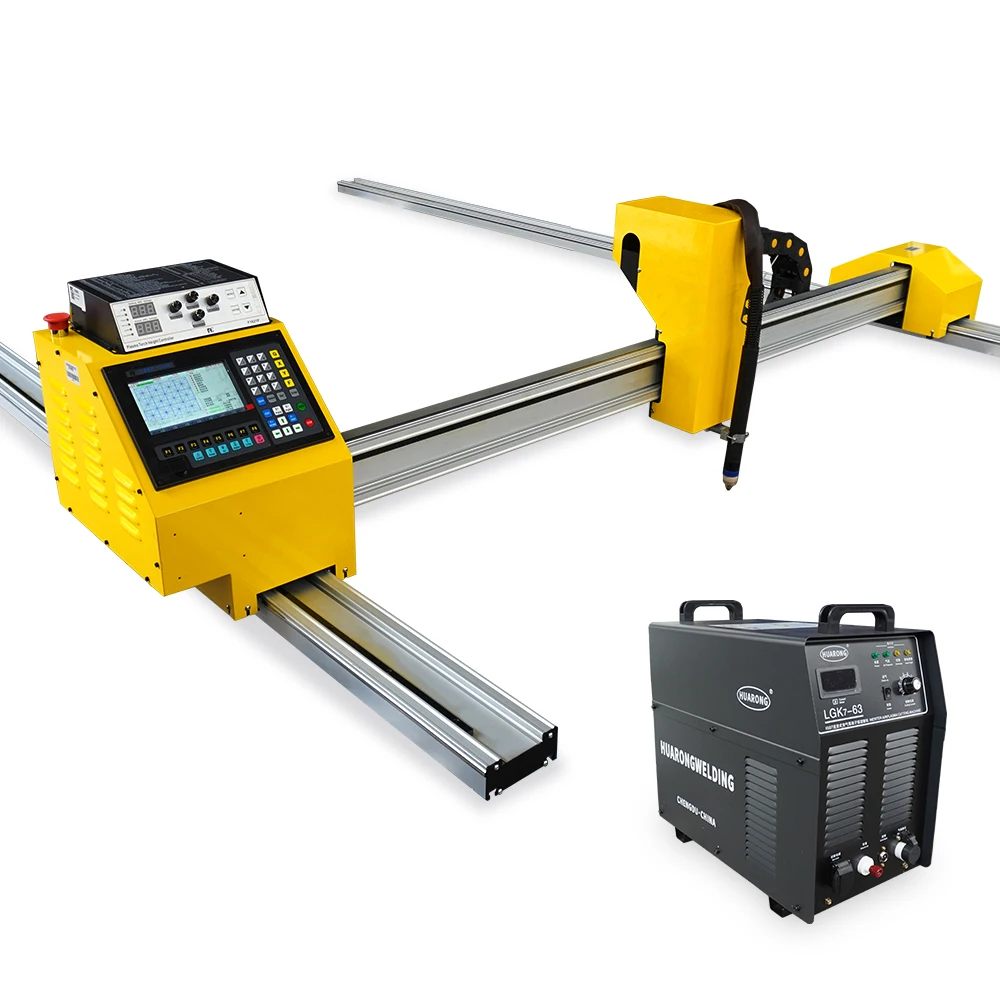
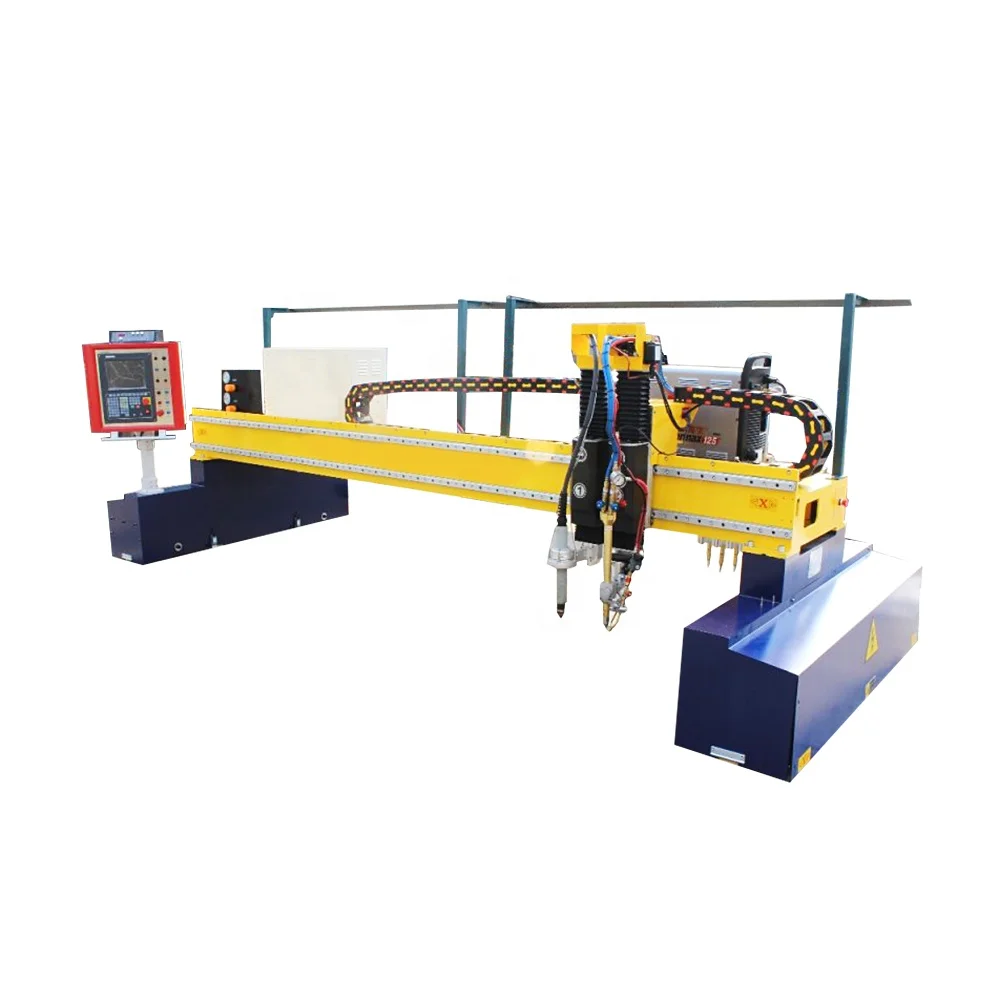
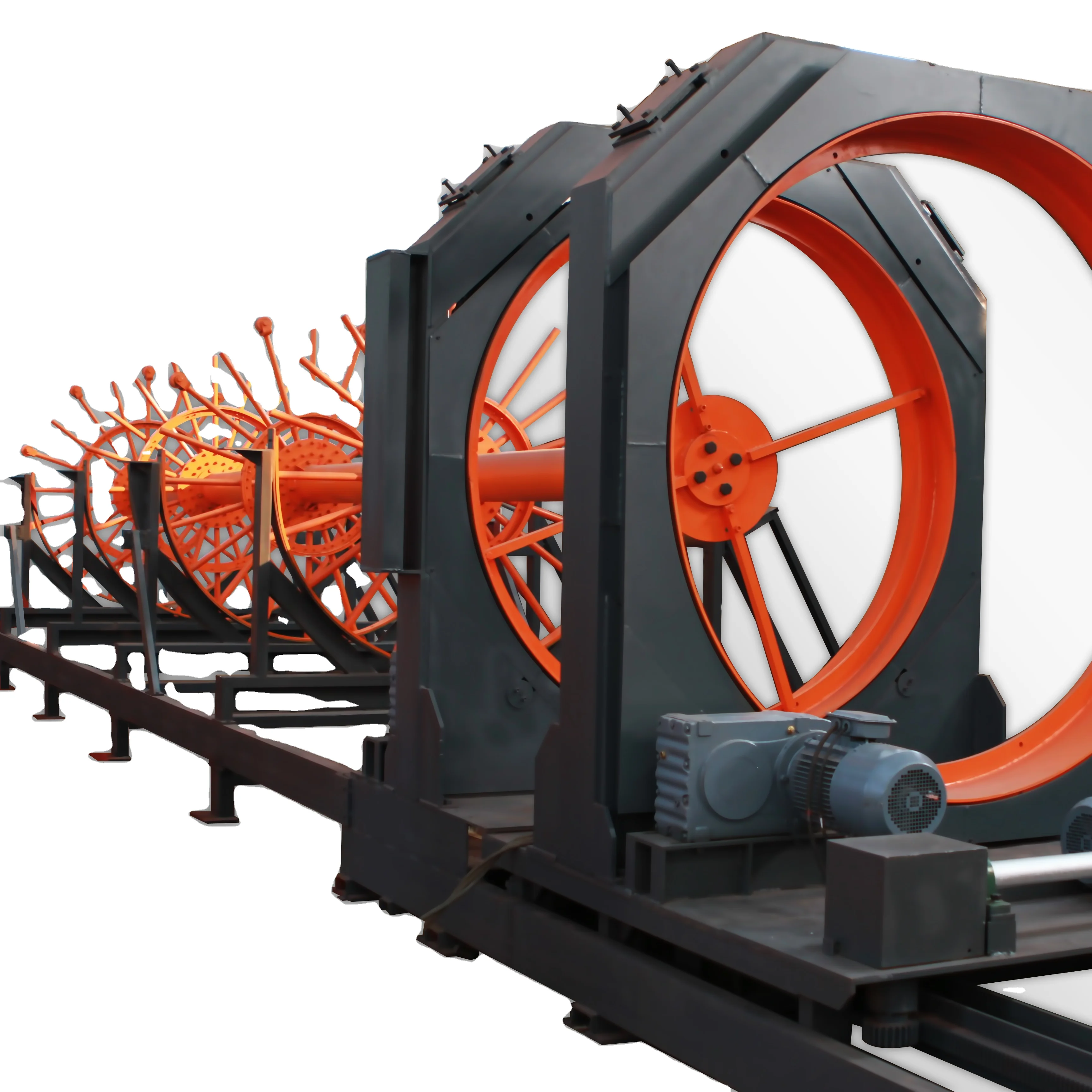
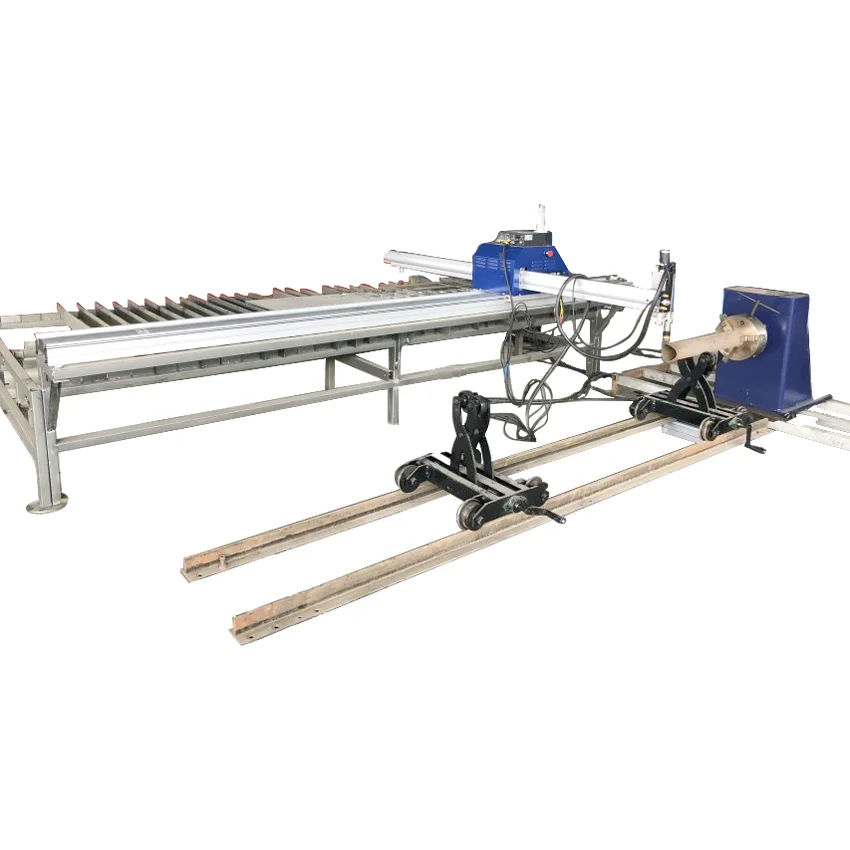
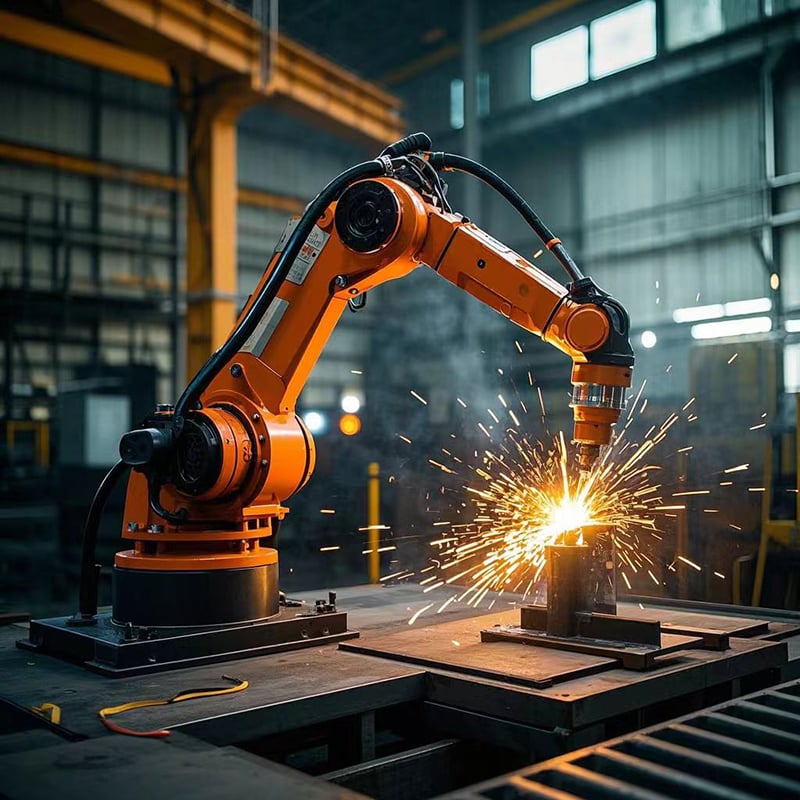
Welding and cutting are really at the heart of industrial fabrication work, basically joining and shaping all those metal parts we see everywhere. What started as purely manual work back in the day has changed completely over time. Today's shops use pretty sophisticated automated systems that bring in robotics, AI tech, and all sorts of data analysis tools running in real time. Modern intelligent welding and cutting equipment actually comes packed with sensors and machine learning stuff that lets them make their own decisions sometimes, adjust parameters on the fly when needed, and keep checking quality throughout the process. All this tech is making way for what people call smart factories now. In these places, different machines talk to each other constantly, which helps streamline production lines and keeps workers out of dangerous situations or repetitive jobs that just wear them down over time.
Manufacturing has come a long way since the days of purely manual welding and cutting operations. Back in the early days of automation, companies started with basic mechanical setups that took some of the physical burden off workers but still needed constant monitoring by humans. Fast forward to today, and we see sophisticated systems at work. Collaborative robots now partner with human workers on the shop floor, AI algorithms continuously tweak processes as they run, and detailed data analysis gives managers an inside look at how well products are being made. The results speak for themselves. Factories that have adopted smart welding technology typically see their production speeds jump anywhere between 18% to 22%. At the same time, product consistency improves dramatically, and there's far less need for fixing mistakes later on.
The principles behind Industry 4.0 are really pushing forward how companies implement intelligent welding and cutting systems throughout their factories. These modern setups connect everything together so manufacturers can run smarter operations that react quickly to whatever happens on the shop floor. Think about it this way: when welders hook up to IoT networks, tap into cloud storage for historical data, and run complex analysis tools, they end up with production lines that fix themselves almost instantly when something changes. Some systems now come equipped with sensor fusion tech that spots tiny differences in materials down to half a millimeter thick! When that happens, the machine makes adjustments on its own to keep weld quality at top levels. What does all this mean for businesses? Less time spent fixing breakdowns, cheaper electricity bills because machines operate more efficiently, and products coming off assembly lines that look exactly the same whether they're made for cars or spacecraft. Pretty impressive stuff when you think about it.
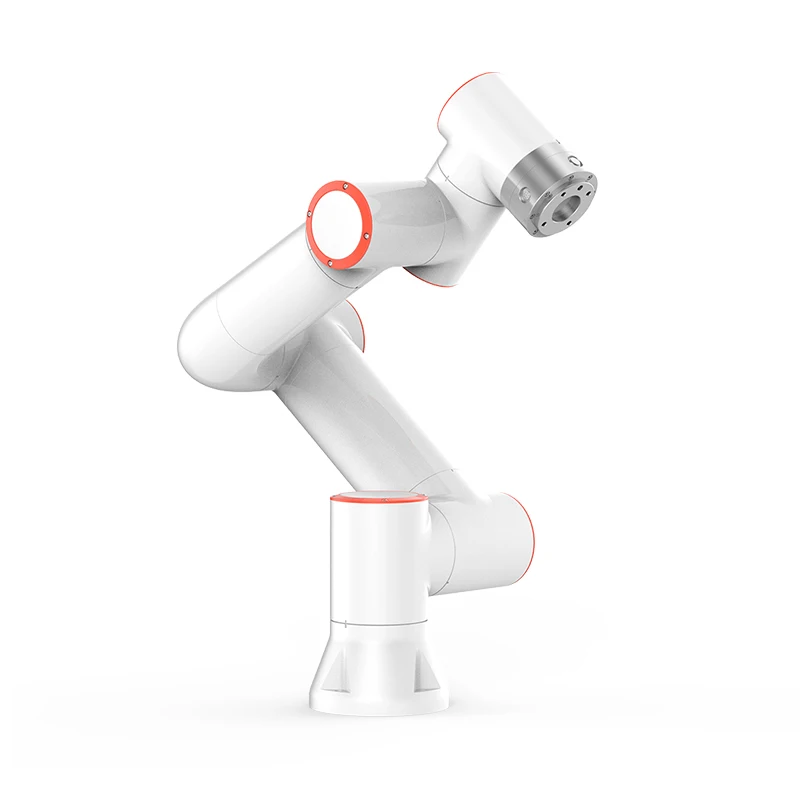
The latest advances in welding automation bring together artificial intelligence and those collaborative robots we call cobots, making for much more adaptable shop floors. Traditional industrial bots need those big safety cages around them, but cobots work right next to people on the floor. They handle all those boring repeat welding jobs with pretty amazing precision, something like within a tenth of a millimeter. These systems come with smart cameras that spot where weld joints should be, then tweak the torch angle and speed as needed. Shops that have adopted these AI-powered cobots are seeing real benefits too. Changeovers take almost half the time they used to, and there's about 30% less scrap metal going to waste according to last year's industry efficiency numbers. What makes this setup so good is how it blends human workers with smart machines. The whole system adapts well to different product mixes without sacrificing quality standards.
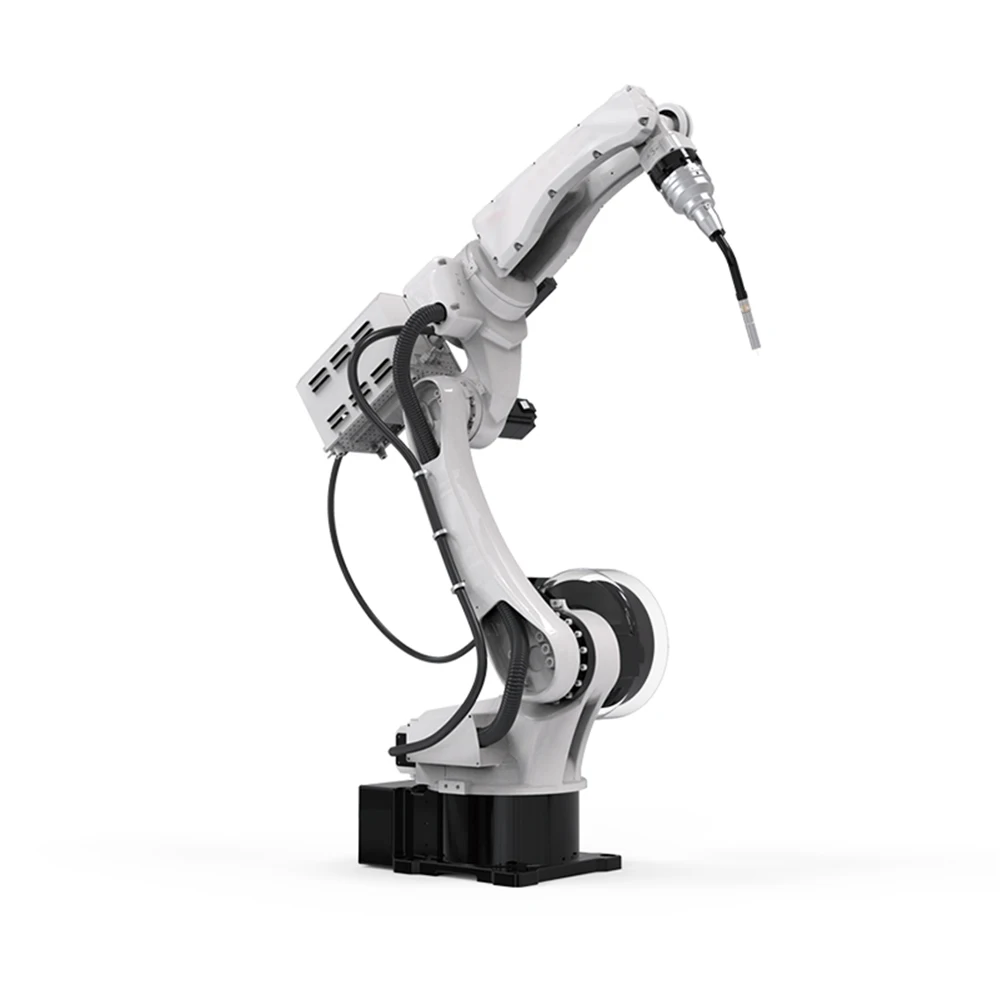
AI has changed welding robots completely, turning them from simple programmed machines into something much smarter that can actually make decisions while working. The neural network stuff processes all sorts of sensor data like arc voltage readings, thermal images, and seam tracking information to tweak welding settings on the fly as needed. When there are changes in how thick materials are, how well joints fit together, or when heat starts distorting things, these smart systems compensate automatically so the weld stays good with proper penetration and nice bead profiles. Some studies indicate that welding done by AI systems gets accepted at first pass around 99.7% of the time, whereas regular automated welding only hits about 92% according to Manufacturing Technology Review from last year. For complicated shapes and situations where conditions keep changing, this kind of independence really matters because those old pre-programmed robot paths just don't cut it anymore.
One major car maker recently introduced AI powered welding robots to tackle problems with inconsistent chassis builds. Their system relied on deep learning algorithms fed data from around 50,000 past welds to figure out the best settings for different types of joints. They added thermal imaging to watch how heat spread across the metal, plus laser scanning tech to check weld bead shapes as they formed. After about half a year on the shop floor, the plant saw porosity issues drop by nearly 60%, and almost all the extra work needed after bad welds disappeared completely. What's interesting is that the AI kept getting smarter over time. It picked up on subtle variations in materials that nobody had noticed before, allowing technicians to tweak processes ahead of problems arising. This boosted equipment efficiency by roughly 22% according to Automotive Production Quarterly from last year. Looking at this example shows why smart welding tech matters so much for factories producing large volumes where even small improvements can make big differences in product quality and production speed.
Fabrication shops today collect tons of data through all sorts of sensors, machines, and quality checks across their operations. When manufacturers analyze this information in real time, they get a much clearer picture of what's happening during welding jobs and cutting processes. This helps spot when things start going off track, whether it's inconsistent materials coming in or when machinery isn't performing as expected. According to industry reports from Number Analytics last year, companies implementing such data analysis typically see productivity gains somewhere between 10 to maybe 25 percent, along with around an 18% boost in equipment effectiveness overall. What really matters though is turning all those numbers into something useful for plant managers and technicians on the floor so they catch potential issues early enough to avoid expensive production stops or product flaws down the line.
When it comes to automated welding, real time monitoring makes all the difference for quality control. The system gives immediate feedback about things like arc stability, how much heat is being applied, and whether the metal is penetrating properly. Smart software can spot patterns that point toward potential weld problems long before they become actual defects, so operators can tweak parameters ahead of time. Shops that have implemented this technology report around 13 percent fewer unexpected shutdowns and about 7 percent faster production cycles without sacrificing the consistency of their welds. Best part? Problems get fixed right away instead of waiting until final inspection catches them later. This approach cuts down on expensive rework and saves materials that would otherwise go to waste.
What most people don't realize about welding these days isn't actually about lacking information at all. The real problem lies in making sense of all the data we collect. Smart analytics tools now apply machine learning techniques to separate useful signals from background noise, pinpointing exactly what factors influence weld quality the most. These advanced systems rank alerts according to how serious and impactful they are, so workers can concentrate on what really matters instead of getting lost in a sea of notifications. When combined with thermal images, details about the welding arc, and knowledge of different materials, these platforms provide valuable information that helps improve both welding and cutting operations across the board. They're designed to give practical advice based on actual conditions rather than just presenting mountains of numbers nobody knows what to do with.
Today's welding equipment incorporates machine learning techniques that look at all sorts of sensor information to spot problems as they happen during the process. The smart algorithms take in data from cameras watching the weld pool, heat sensors measuring temperature fluctuations, and devices monitoring the actual welding arc itself. These systems pick up on tiny irregularities long before any damage could actually affect how strong the final product turns out. What makes them really valuable is their ability to get better over time. As they collect more data from actual production runs, they start recognizing patterns in different materials and adjust automatically when conditions change around the shop floor. This means manufacturers can maintain high quality standards across batches without needing constant oversight from technicians.
Smart welding and cutting systems now use neural networks to tweak voltage settings, current levels, and how fast the torch moves across materials. The system constantly looks at what's happening in the actual weld pool and reads information about the arc itself to figure out just how much energy needs to go in there, plus when and where to deposit material properly. What this kind of smart control does is actually cut down on common problems we see in welds such as tiny air pockets (porosity) or when metal gets eaten away along edges (undercut). Plus it makes the whole process work better overall so there's less chance of having to fix things after the fact which saves time and money in production shops everywhere.
Manufacturers report a 37% reduction in rework after implementing AI-driven parameter optimization (Journal of Intelligent Manufacturing 2020). Machine learning algorithms predict optimal welding conditions for specific materials and joint types, refining their models based on historical performance. This feedback loop progressively minimizes defects and improves first-pass yield rates.
Recent breakthroughs in smart welding and cutting tech now feature systems that can optimize themselves through reinforcement learning techniques. Basically, these machines experiment with small changes to their parameters during routine maintenance periods or when production isn't at full capacity. They figure out what works best on their own, no need for engineers to constantly tweak settings manually. What makes this so valuable is that welding equipment stays sharp and efficient even when dealing with different metals, worn tools, or fluctuating shop floor temperatures. Some manufacturers report up to 30% improvement in consistency rates after implementing these adaptive systems, though results vary depending on how well the initial training data was collected.
Today's smart welding and cutting systems bring together multiple sensors so they can merge information from things like optical tracking, thermal imaging, and sound monitoring all into one continuous feedback system. With this kind of integration, robots get a much better understanding of what's going on around them during welding operations. They spot small changes in how joints fit together, differences in materials being used, and even shifts in heat distribution across the workpiece. When these systems process all these different data sources at once using sophisticated math models, they automatically tweak important parameters like how fast the torch moves, the electrical settings, and how much wire gets fed into the weld pool. What happens next? Fewer bad welds and less need for fixing mistakes later on. This makes a big difference especially when working on precision parts needed for airplane components or cars coming off production lines where even tiny flaws just won't cut it.
What is the role of AI in welding automation?
AI plays a crucial role in welding automation by enabling robots to make real-time decisions based on sensor data, adjust parameters on the fly, and improve quality control without human intervention.
How do smart manufacturing principles affect welding and cutting systems?
Smart manufacturing principles connect systems for better integration, allowing welding and cutting equipment to operate more efficiently, thereby reducing energy costs and increasing product consistency.
What benefits do companies see from using intelligent welding systems?
Companies experience improved production speeds, enhanced product consistency, fewer errors, reduced material waste, and lower electricity costs by implementing intelligent welding systems equipped with AI and machine learning.
How do real-time data analytics enhance fabrication processes?
Real-time data analytics provide transparency by offering immediate insights into welding and cutting operations, allowing operators to address issues quickly, thus improving productivity and equipment effectiveness.
 Hot News
2026-09-07
2025-12-02
2025-11-12
2025-10-20
2025-09-29
2025-08-14

 EN
EN